Best Time to Visit Pompeii: Weather, Crowds & Travel Tips
Published on

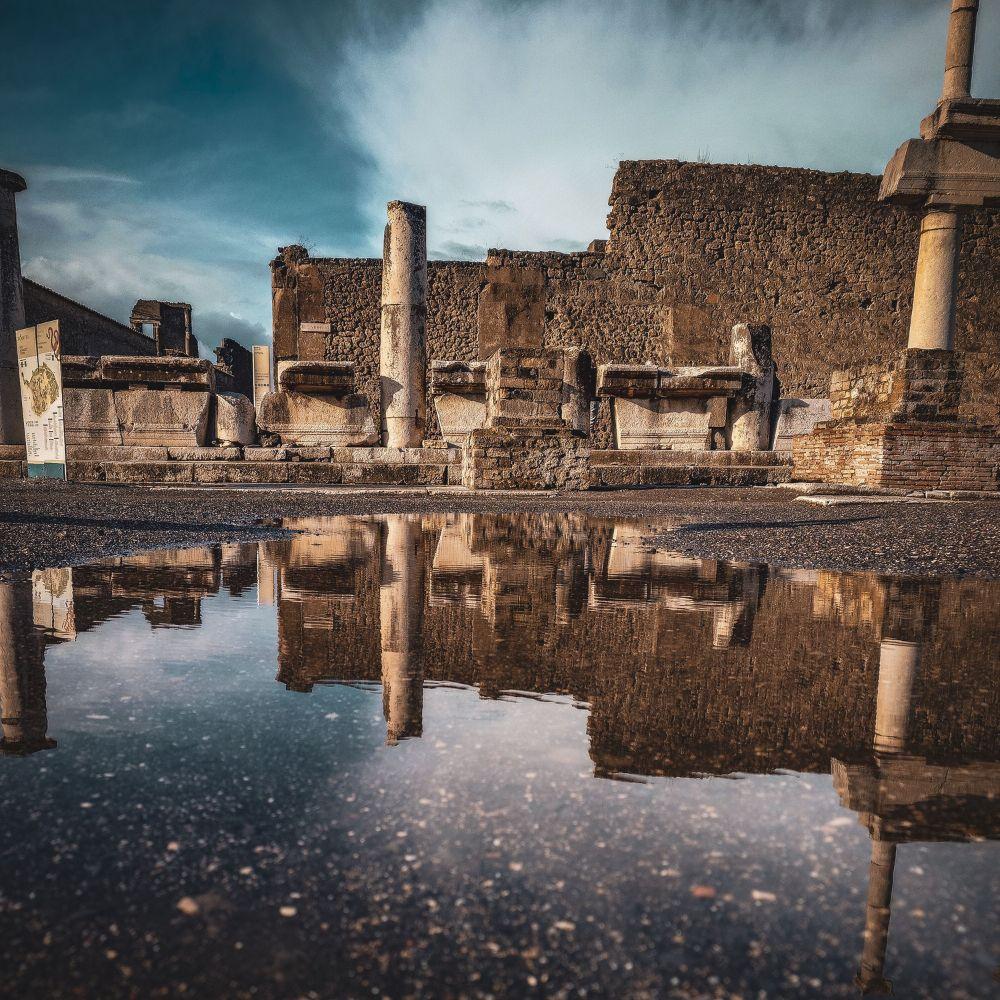
Choosing the best time to visit Pompeii, however, deserves a little planning. The archaeological site is vast, much of the experience takes place outdoors, shade can be limited, and you may spend several hours walking across ancient stone streets.
Weather, crowds, daylight, and the amount of time you have available can all influence your visit. For most travelers, spring and fall offer the best combination of comfortable temperatures, good sightseeing conditions, and manageable crowds, especially if Pompeii is part of a longer trip through Naples, the Amalfi Coast, or Southern Italy.
What Is the Best Time to Visit Pompeii?
There is no single month that works perfectly for every traveler. Someone planning an August family vacation will have very different priorities from a history enthusiast visiting Campania in February.
In general, the best time of year to visit Pompeii is spring or fall, particularly April, May, September and October. These months usually offer a comfortable balance between weather, daylight, and the amount of time you can happily spend outdoors.
Best overall: spring and fall
April and May bring longer, brighter days and pleasantly warm weather before the strongest summer heat arrives. September and October offer a similar advantage on the other side of summer, with September often retaining that unmistakable southern Italian warmth.
These periods are particularly appealing if you want to spend three or four hours exploring Pompeii and still have enough energy for lunch, a drive along the coast, or another stop later in the day.
Spring and fall do remain popular, though. Pompeii receives visitors throughout the year, and pleasant weather naturally attracts tour groups, families, and travelers exploring the Bay of Naples.
Best for fewer crowds: winter
If avoiding large visitor numbers matters more to you than guaranteed sunshine, winter can be an excellent time to visit Pompeii.
The cooler air makes long walks easier, and November through February can feel noticeably calmer than the busiest months of the year. There is also something atmospheric about seeing Pompeii beneath softer winter light, when its streets can feel more contemplative.
The trade-off is greater weather uncertainty. Rain is more likely, daylight is shorter, and you have less flexibility later in the afternoon.
Best for long daylight hours: summer
June, July and August fit naturally into many Italian vacations. Long days make it easier to combine Pompeii with Naples, Vesuvius, Sorrento, or the Amalfi Coast, particularly when traveling through Campania.
The main consideration is heat.
Pompeii is an archaeological city rather than an indoor museum. Much of your visit involves walking beneath direct sun, often across stone paving, with limited shade. A July afternoon here feels very different from an afternoon inside an air-conditioned gallery.
Pompeii Weather by Season
Understanding Pompeii weather is especially important because the climate affects how long you will comfortably want to explore.
A beautiful sunny day can be perfect for photography and views of Vesuvius. In high summer, that same sun can become exhausting after several hours on your feet.
Visiting Pompeii in spring
Spring is one of the easiest seasons for first-time visitors. Temperatures gradually rise through March, April and May, while the landscape around the Bay of Naples becomes wonderfully green.
Walking conditions are generally pleasant, especially during the morning, and there is plenty of daylight for travelers combining Pompeii with another destination.
Visitor numbers also increase as summer approaches, particularly around Easter and other popular travel periods. Booking ahead is sensible if Pompeii is an important part of your itinerary.
For travelers interested in archaeology who want enough time to wander without the intensity of peak summer heat, April and May are among the best months to visit Pompeii.

Visiting Pompeii in summer
Visiting Pompeii in summer is absolutely possible, and thousands of travelers do it every day. It simply requires a smarter approach.
July and August can be intensely hot. The streets are exposed, shade is limited in many areas, and sightseeing around midday can become tiring surprisingly quickly.
If you are visiting Pompeii in July or August, aim for an early start whenever possible. Bring water, sunscreen, sunglasses, and a hat, and wear lightweight clothing with comfortable shoes.
Planning breaks also matters. There is no prize for trying to cross the entire archaeological city without stopping.
A morning among Pompeii's villas, temples, and ancient streets followed by a leisurely Campanian lunch feels far more appealing than exhausting yourself before the afternoon has even begun.
Visiting Pompeii in fall
Fall is another favorite for travelers wondering when to visit Pompeii.
September often still feels like summer, particularly when Vesuvius appears clearly above the ruins.
Keep in mind that pleasant weather continues to attract visitors. September and October should be considered excellent sightseeing months rather than secret low-season periods.
Visiting Pompeii in winter
Winter offers an appealing exchange: less heat and potentially fewer crowds, with a greater chance of rain and shorter sightseeing days.
For travelers who enjoy archaeology at a slower pace, this can be a surprisingly rewarding season. Cooler temperatures make walking easier, and the quieter atmosphere can help you appreciate the scale of the ancient city.
Pack layers and a waterproof jacket, wear shoes suitable for uneven surfaces, and keep the day's schedule reasonably flexible.
Winter works particularly well for travelers who value cooler weather and quieter conditions more than Mediterranean sunshine.
When is Pompeii Most Crowded?
Pompeii is one of Italy's most famous archaeological destinations, so expecting to have its streets completely to yourself is rarely realistic.
Crowd levels vary according to season, holidays, weekends, and the time of day. Planning around those patterns can make your experience considerably more pleasant.
Peak Season
Summer is traditionally one of the busiest travel periods in Southern Italy, particularly when American and European vacation schedules overlap.
Major holidays and weekends can also bring heavier visitor numbers. Spring and fall remain highly popular because travelers increasingly choose these months specifically for their comfortable weather.
If you are traveling during a busy period, advance planning becomes particularly valuable.
Time of day matters too
The best time of day to visit Pompeii can matter almost as much as the month.
An early morning visit is often the most comfortable choice, especially from late spring through early fall. Temperatures are cooler, you arrive with more energy, and you still have the afternoon for another experience.
The middle of the day can feel hotter and more demanding during summer. Whenever your schedule allows, organize your visit around the heat rather than trying to squeeze Pompeii between other activities.
Always check the Archaeological Park's official opening information before your visit, since hours and access conditions can change seasonally.
Does Pompeii ever feel empty?
Winter weekdays and certain quieter periods can offer far fewer visitors, yet a completely crowd-free Pompeii should never be your expectation.
Fortunately, the archaeological site is enormous. Once you move beyond some of the most famous areas, the feeling can change dramatically, especially when your route is planned well.
How Long Do You Need to Visit Pompeii?
One of the most common planning mistakes is underestimating Pompeii's size. You are entering the remains of an ancient city, complete with streets, public buildings, private houses, shops, and gathering spaces.
Your ideal visit length depends on your interests, your itinerary, and the season.
2 to 3 hours
Two to three hours can work well for travelers with limited time.
With a carefully planned route, you can see several major highlights and understand the essential story of Pompeii without dedicating most of the day to the archaeological site.
This is also a practical option during very hot weather, when a longer visit may become tiring.
Half a day
For most first-time visitors, half a day in Pompeii offers the best balance.
You have enough time to explore several areas without constantly watching the clock, and you can begin to understand how different parts of the city are connected to one another.
A three- or four-hour visit also leaves room for a relaxed lunch or another Campanian experience later in the day.
A full day
Archaeology enthusiasts can easily spend much longer exploring Pompeii.
A longer visit allows you to move beyond the most recognizable landmarks, examine individual houses and neighborhoods more carefully, and slow down when something catches your attention.
During summer, consider whether spending the entire day outdoors will genuinely suit your travel style.
What to Know Before Visiting Pompeii
A little preparation goes a long way at Pompeii. The most useful Pompeii travel tips are often surprisingly simple, especially when it comes to footwear, weather, and pacing.
Treat the visit as several hours of active sightseeing and plan accordingly.
Wear the right shoes
Pompeii involves considerable walking across original streets and uneven surfaces.
Comfortable walking shoes are one of the best things you can bring. Save the elegant Italian leather sandals for your evening aperitivo.
Bring sun protection
From late spring through early fall, bring sunscreen, sunglasses, a hat, and water.
The site can feel much hotter than expected when you are walking in direct sunlight for several hours.
Check the official opening hours
Opening hours can vary according to season and operational requirements.
Check the official Pompeii Archaeological Park website shortly before your visit rather than relying on an old travel guide or screenshot saved months earlier.
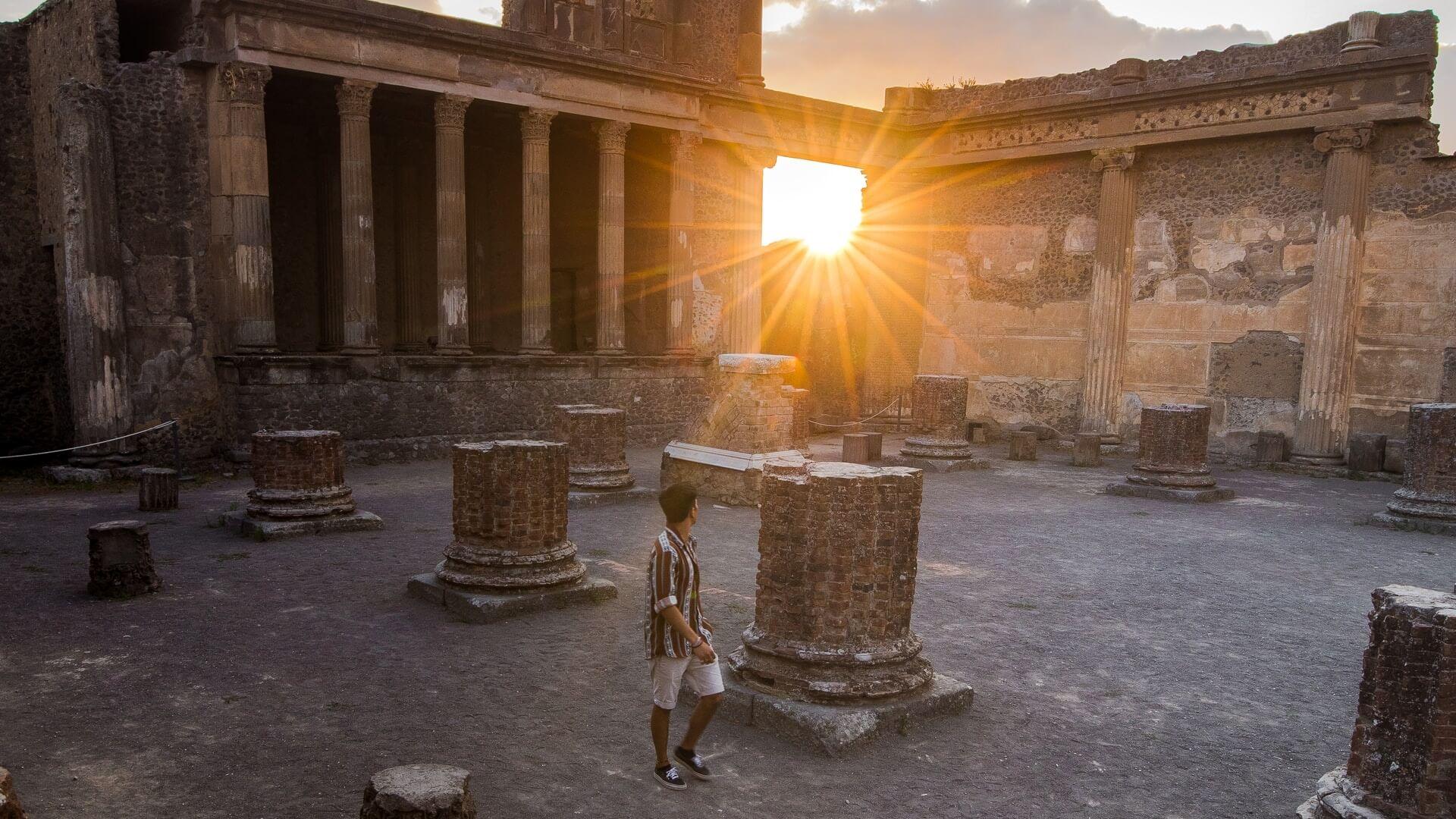
Buy tickets in advance when appropriate
Advance booking can make planning easier during popular travel periods, especially when your itinerary has a little flexibility.
It also means you can build the rest of your day around a confirmed Pompeii visit rather than leaving one of Southern Italy's major highlights to chance.
Don't underestimate the size of Pompeii
Trying to see everything often makes the visit less enjoyable.
Choose the areas that interest you most, allow time to pause and remember that there will always be another street, house, or fresco tempting you to continue.
Should You Visit Pompeii With a Guide?
Pompeii can certainly be visited independently. Maps, guidebooks, and personal research give travelers complete control over their route and pace.
For many first-time visitors, however, an expert guide can make a considerable difference because much of Pompeii's fascination lies in understanding the spaces around you.
Visiting independently
Independent exploration gives you complete freedom.
It works particularly well for repeat visitors, archaeology enthusiasts who have researched specific buildings in advance, and travelers who enjoy spending a long time examining individual areas.
Visiting with an expert guide
A knowledgeable guide can help turn fragmented walls, streets and rooms into a recognizable Roman city.
You begin to understand where people lived, worked, specialized and worshipped, why certain buildings mattered and how daily life changed when Mount Vesuvius erupted in AD 79.
Pompeii becomes considerably easier to appreciate once you understand what you are looking at. For first-time visitors with only a few hours available, that context can be particularly valuable.
Can you combine Pompeii with Other Experiences?
Pompeii sits in one of Italy's richest travel regions. Naples, Mount Vesuvius, Sorrento and the Amalfi Coast are all close enough to inspire tempting combinations.
The secret is leaving enough time to enjoy each place rather than turning the day into a race between photo stops.
Pompeii and Mount Vesuvius
Pompeii and Vesuvius are one of the most natural combinations in Campania.
Explore the ancient city first, then continue toward the volcanic landscape that shaped its history. Add a relaxed local lunch and a glass of wine grown in the mineral-rich volcanic soil, and the day begins to tell the wider story of this extraordinary region.
Walks Inside Rome & Italy offers a Pompeii and Mount Vesuvius private experience with lunch and wine tasting for travelers who want to combine both.
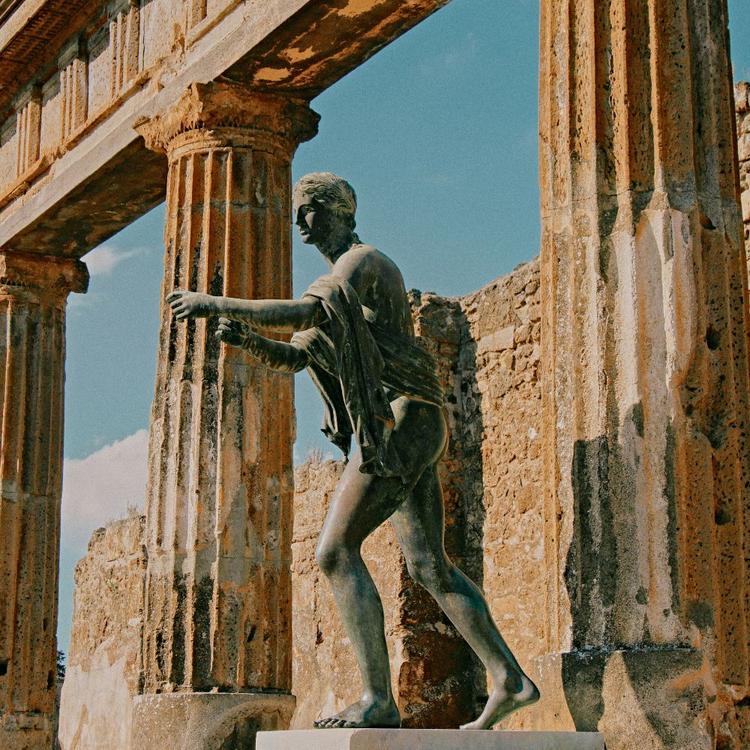
8:00 hours
Private
Price on request
View morePompeii and Naples
If you are staying in Naples, Pompeii fits naturally into your itinerary.
The contrast between the preserved Roman city and today's wonderfully energetic Naples creates a fascinating day or two of exploration. Back in the city, an espresso taken standing at the bar or a folded wallet pizza along the historic streets makes a fitting return to modern Campania.
Our Walking Tour in Naples with Coffee and wallet pizza can be combined with a wider stay in the region.
This works particularly well for travelers moving between Rome, Naples and the coast. Ancient streets in the morning followed by Mediterranean views toward Positano or Amalfi certainly make for a memorable travel day.
Allow enough time for the drive. Coastal roads can be slow, especially during busy months, and an itinerary that looks easy on a map can feel rushed in practice.

3:00 hours
Private
Starting from € 420,00 for two
View moreBest Time to Visit Pompeii: Month by Month Quick Guide
The right season ultimately depends on the kind of day you want to have.
This quick guide makes it easier to compare weather, crowd expectations, and the main advantages of each period.
Spring - Weater: Mild to warm; Crowds: Moderate to high; Best for: Comfortable sightseeing and longer visits.
So, What Is the Best Month to Visit Pompeii?
For most travelers, April, May, September, and October are the best months to visit Pompeii. They combine comfortable sightseeing weather with enough daylight to explore properly and still enjoy the rest of your day in Campania.
Winter is attractive if your priority is cooler temperatures and potentially fewer visitors. Summer offers maximum daylight and fits naturally into classic Italian vacations, although July and August require much more attention to heat and timing.
There is no need to search endlessly for one perfect month.
The best Pompeii visit is the one that gives you enough time to walk its streets comfortably, enough energy to remain curious and enough context to imagine the bustling Roman city that once stood beneath Vesuvius.
And when the ruins have finally worked up your appetite, Southern Italy will take care of the rest: a shaded table, a plate of pasta, perhaps a local wine, and plenty of time to talk about everything you have just seen.
Back to top


