Italy can look wonderfully manageable on a map. Rome, Florence, Venice, and Naples seem close enough to connect in one sweeping journey, particularly for American travelers accustomed to much greater distances between major cities.
Italy Vacation Ideas and Itineraries: How to plan a 10-14 Day Trip
Published on
Once the trip begins, however, every change of destination has a rhythm of its own. There are suitcases to pack, hotels to leave, train stations to reach, transfers to arrange, and new streets to understand. Four hours between cities can easily take up half a day once the entire process is considered.
That is why some of the best Italy vacation ideas begin with a simple question: how much of Italy can you comfortably experience in the time you actually have?
For most first-time visitors, 10 to 14 days in Italy creates an excellent framework. There is enough time to experience several distinct cities, enjoy art and history, linger over pasta or an aperitivo, and still leave room for those unscripted Italian moments that often become the stories you tell when you get home.
The secret to planning an Italy itinerary is finding a pace that feels generous.
Slow enough to enjoy, fast enough to discover.
How Many Days Do You Need for an Italy Vacation?
The right length depends on what you want to see and how often you are comfortable changing hotels. Italy rewards travelers who think in terms of experiences rather than simply counting cities.
For a first trip to Italy, seven, ten, and fourteen days create three very different styles of vacation.
7 Days in Italy
With one week, focus your Italy itinerary around one or two major destinations. Rome and Florence, for example, create a natural pairing with excellent rail connections and enough variety for a full week.
Trying to cross the country in seven days can quickly make train stations feel like major attractions. Choosing fewer bases gives you more time for neighborhood walks, museums, leisurely dinners, and the occasional second gelato.
10 Days in Italy
A 10-day Italy itinerary can comfortably include three destinations, with a fourth possible when the route follows a logical geographical sequence.
This is enough time for a classic combination such as Rome, Florence, and Naples, although the pace becomes noticeably quicker. Travelers who enjoy slower mornings or longer stays may prefer three cities and use one as a base for a day trip.
14 Days in Italy
A 14-day Italy itinerary, or a full two weeks in Italy, opens up many more possibilities. Four destinations work beautifully, while a carefully planned fifth stop can add variety without overwhelming the trip.
Two weeks also give you more freedom to explore the coast, spend an extra night in your favorite city, or simply enjoy a day without tickets, reservations, or alarms.
Whatever the length of your vacation, remember the travel overhead involved in moving around Italy. Packing, checking out, reaching the station, taking the train, arriving at another hotel, and finding your bearings all consume time.
A successful Italy travel itinerary accounts for those hours before filling the calendar.
The Best Cities to Combine on a 10-14 Day Italy Trip
Choosing the best cities to visit in Italy becomes much easier when you stop thinking of them as entries on a bucket list. Each destination can play a different role within the journey.
Some cities deserve several days of deep exploration. Others work beautifully as shorter introductions or strategic additions to a longer route.
Rome: Ancient History, Art and the Heart of Italy
Rome can become the central anchor on an Italy vacation. The city brings together more than two thousand years of history within neighborhoods that are still very much part of everyday Roman life.
Ancient ruins, Renaissance palaces, Baroque fountains, Vatican treasures and lively local districts can easily fill several days.
The Colosseum and Roman Forum reveal the scale of ancient Rome. Vatican City introduces another extraordinary concentration of art and history. Piazza Navona, the Pantheon, Trevi Fountain and the Spanish Steps lead naturally into long walks through the historic center.
Then there is another Rome waiting between the monuments: morning espresso at the bar, outdoor markets, trattorias serving carbonara and amatriciana, small piazzas and neighborhoods such as Trastevere, Testaccio and Monti.
Give Rome time. Three nights can introduce the essentials; four nights allow the city to become part of the vacation rather than simply another stop along the route.
Walks Inside Rome offers a broad selection of private and small group experiences across the city, covering Ancient Rome, the Vatican, food, neighborhoods, and family-friendly activities. Explore the complete collection of Rome tours and chosse experiences according to your interests, travel companions, and available time.
Florence: Renaissance, Art and Walkable Beauty
Florence fits naturally into a multi-city Italy itinerary because its historic center is remarkably compact. Once you understand the layout, many of the city's great sights are only a pleasant walk apart.
Two or three nights give first-time visitors a satisfying introduction to Renaissance Florence while preserving time for wandering independently.
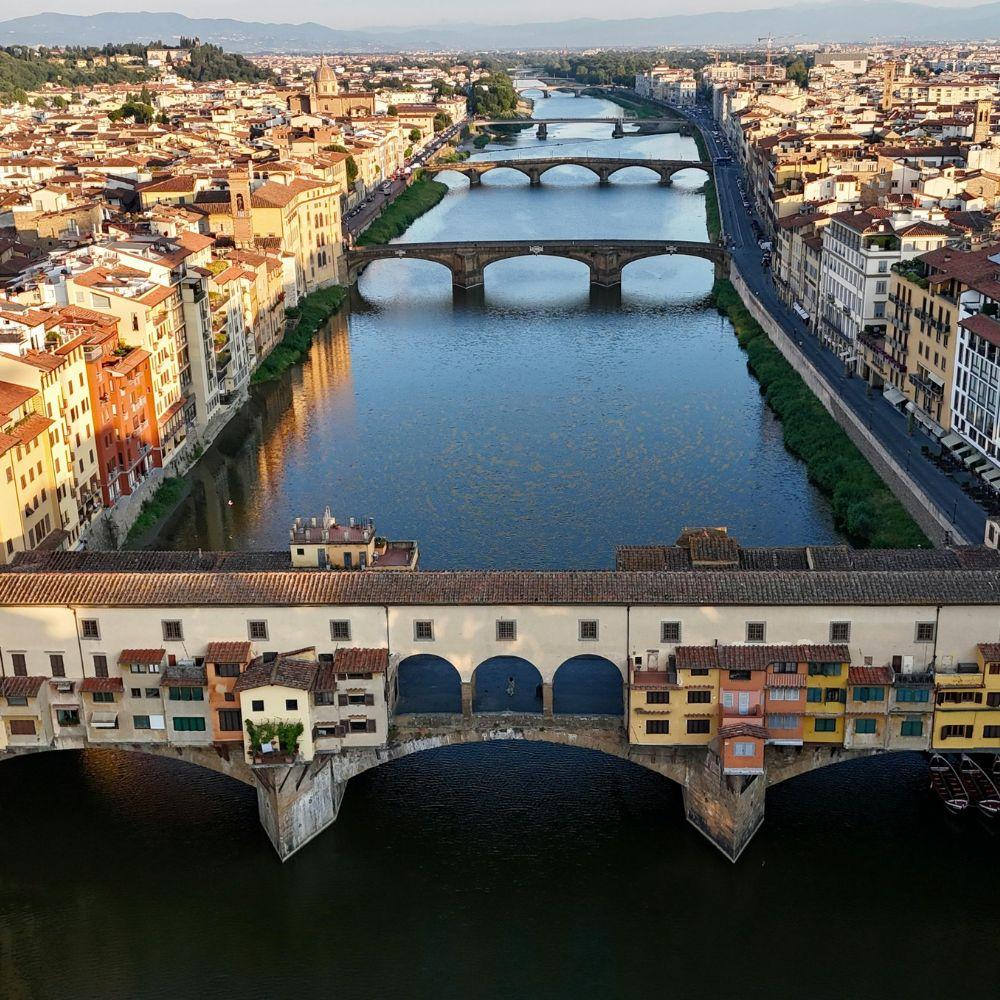
The Duomo dominates the skyline, while Piazza della Signoria, Ponte Vecchio and the streets surrounding Santa Croce reveal different chapters of Florentine history. Art lovers can devote hours to the Uffizi Gallery and Accademia, home to Michelangelo's David.
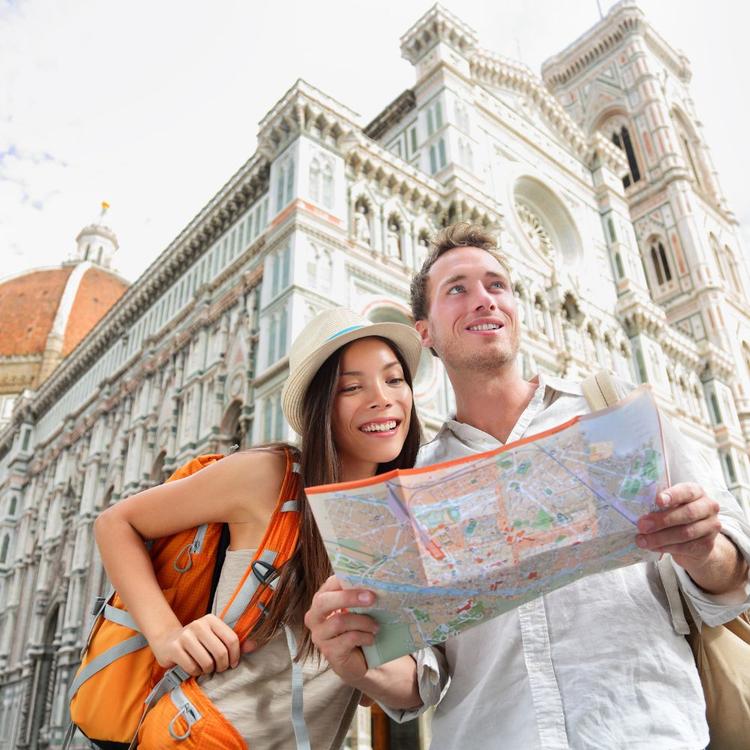
Florence is one of those cities where a local introduction is particularly helpful. Once the streets, landmarks, and stories begin to connect, independent exploration becomes much easier.
The Florence Orientation Tour Private works well early in a stay for precisely this reason. It can provide the historical and geographical context that makes the following day in Florence feel more intuitive.
Afterward, you are free to wander. Browse leather workshops and artisan boutiques, stop for a schiacciata, cross into Oltrarno, or settle into a piazza with a glass of Tuscan wine.
4:00 hours
Private
Starting from € 672,00 for two
View moreVenice: A City Where Getting Oriented Matters
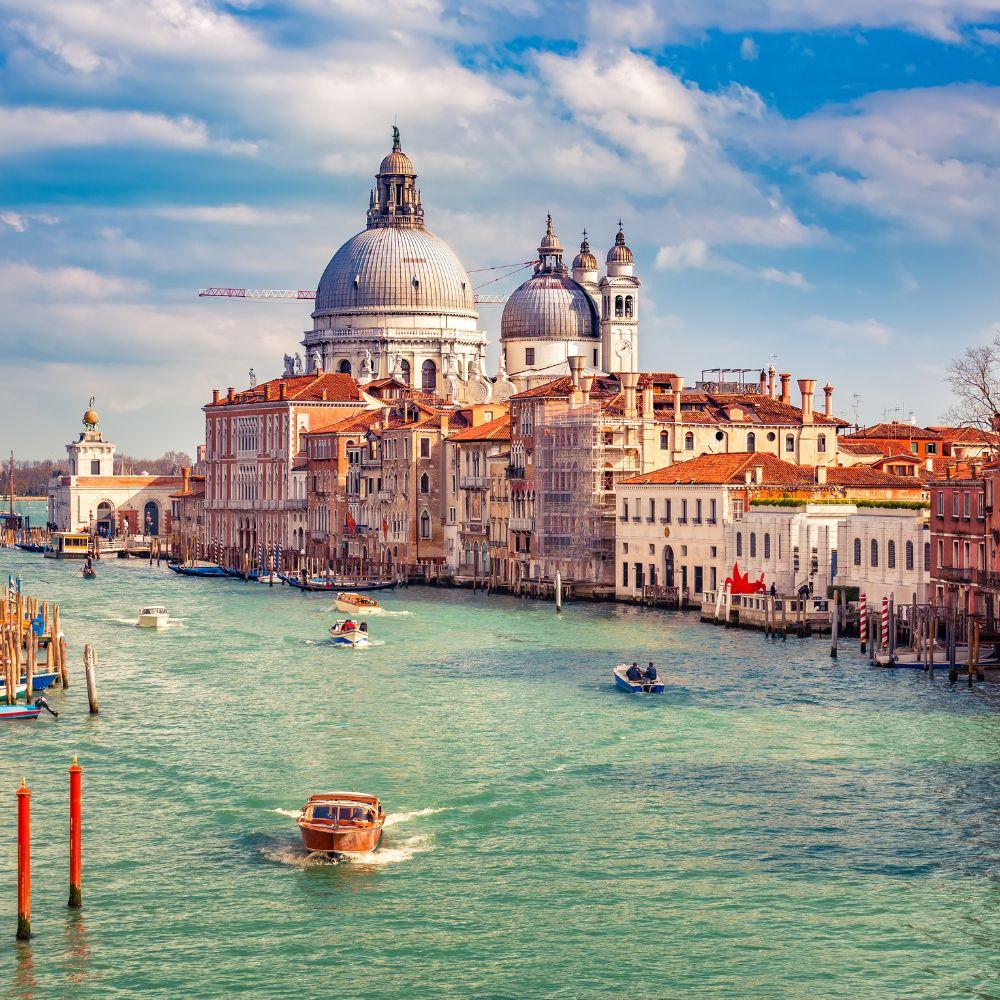
Venice offers one of the most distinctive experiences in Italy. It also follows its own geographical logic, which can feel wonderfully mysterious during the first few hours.
Canals replace roads, bridges repeatedly change your direction, and a short walk can become a delightful detour through several tiny calli.
St. Mark's Square naturally forms the centerpiece of a first visit. St. Mark's Basilica, the Doge's Palace, and the Bridge of Sighs introduce the city's political and artistic history, while the Rialto Bridge connects travelers with another lively area of the hìstoric center.
Understanding the vaporetto system and the relationship between the main districts also makes a significant difference.
Venice rewards curiosity, and a good introduction can save valuable time that would otherwise be spent simply trying to work out where you are.
A guided Venice highlights experience can establish that foundation at the beginning of your stay. Once you understand the major landmarks and the shape of the city, Venice becomes a wonderful place to explore independently.
Leave time for that exploration. Some of the city's best moments arrive when you turn into a quiet lane, find a small bacaro and order cicchetti with a glass of wine before continuing nowhere in particular.
3:00 hours
Private
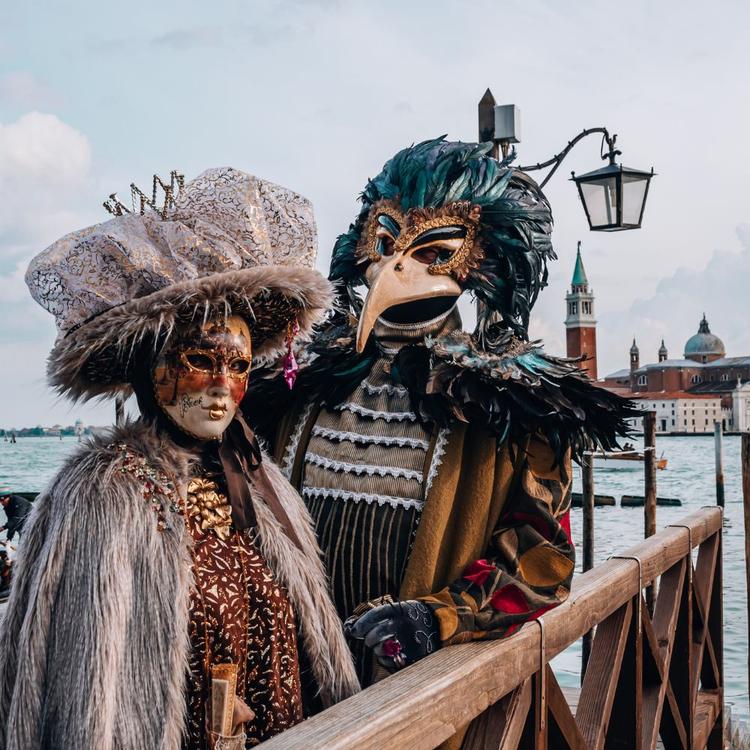
The Jewels of Venice | Private
Venice is a city of enchanted water mazes and bewildering beauty. This tour allows you to see all of the city’s highlights in a few hours.
Price on request
View moreNaples: History, Food and a Completely Different Italy
Naples changes the atmosphere of an Italy itinerary immediately. It is energetic, densely layered, and shaped by a strong local identity that feels distinct from Rome, Florence, and Venice.
Two or three nights give you enough time to understand the historic center, experience its food culture, and use the city as a gateway to southern Italy.
Walk along Spaccanapoli, step inside centuries-old churches, discover underground layers of the city, and watch daily life unfolding around markets, balconies, cafés, and pizzerias.
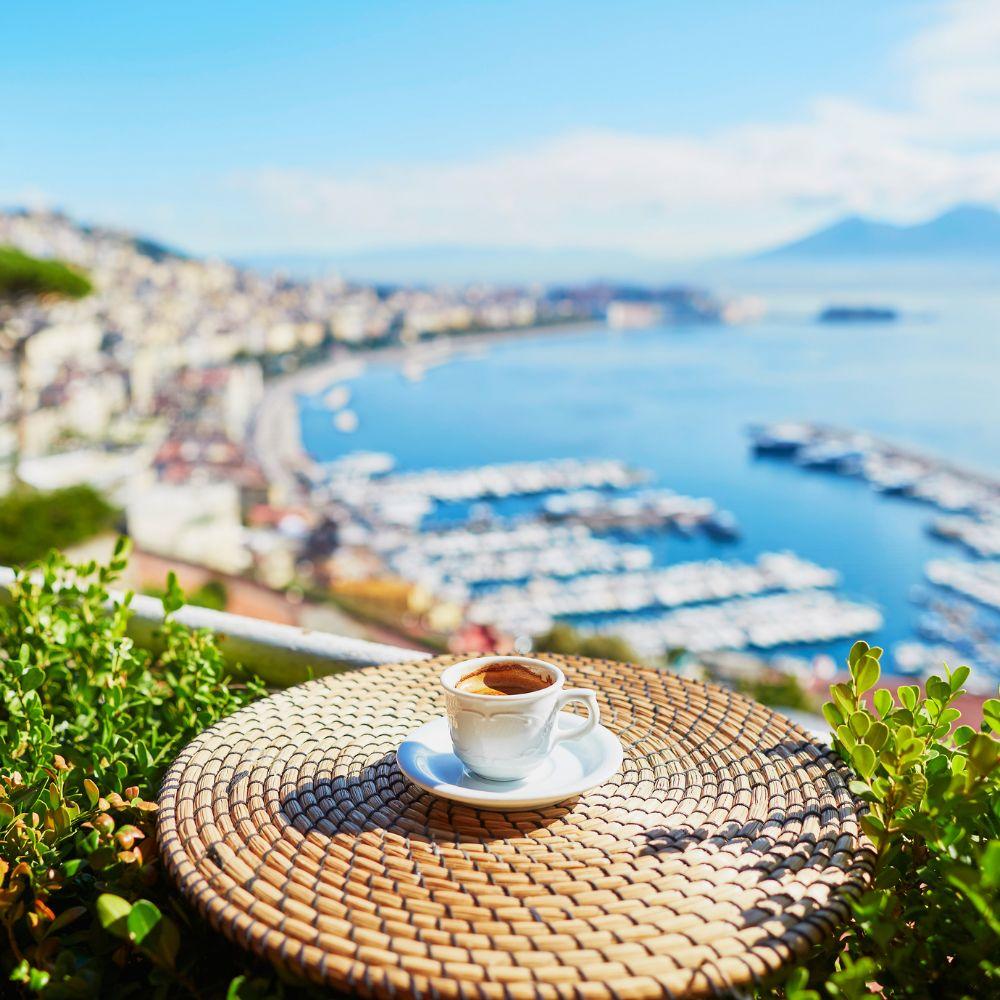
Food naturally becomes part of the experience. This is the birthplace of pizza, a city where a folded pizza can become lunch on the move and an espresso often lasts only a few intense minutes at the counter.
A Walking tour in Naples with Coffee and Wallet Pizza is a useful way to connect those elements. Local history, neighborhood orientation, and food come together naturally, helping first-time visitors understand the city before setting out independently.
Once Naples begins to make sense, exploring it becomes much more rewarding.

3:00 hours
Private
Starting from € 420,00 for two
View moreAmalfi Coast or Capri? Choosing You Southern Italy Add On
Southern Italy opens another decision for travelers with enough time: continue along the mainland coast or head toward an island.
Both options bring sea views and a slower atmosphere into the itinerary, although the experience of each is quite different.
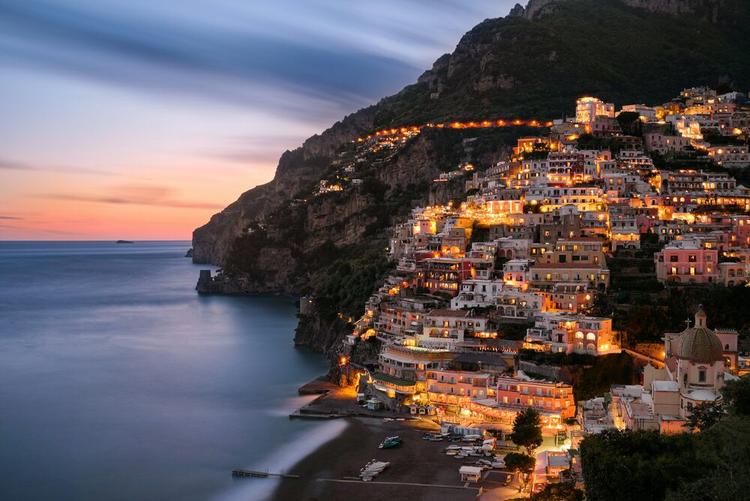
The Amalfi Coast suits travelers drawn to dramatic coastal scenery, small towns, panoramic roads, and long lunches overlooking the Mediterranean. Positano, Amalfi, and other coastal communities can be combined according to time and interests.
Capri creates a different rhythm. Sea views, glamorous streets, coastal landscape, and boat experiences give the island a personality of its own.
Neither needs to be automatically added to every itinerary. Choose according to the kind of final days you want.
For travelers heading along the Amalfi Coast, transportation deserves particular attention. Winding roads, multiple towns, and limited time can make an independent day more complicated than it first appears.
The Amalfi Coast with Private Driver experience is a good example of when private transportation can genuinely improve a vacation. Having a driver simplifies the movement between locations and gives travelers more freedom to enjoy the scenery, villages, and meals without continually calculating the next connection.
The Amalfi Coast is exactly the kind of destination where a private experience can transform a complicated day of logistics into a relaxed part of the vacation.
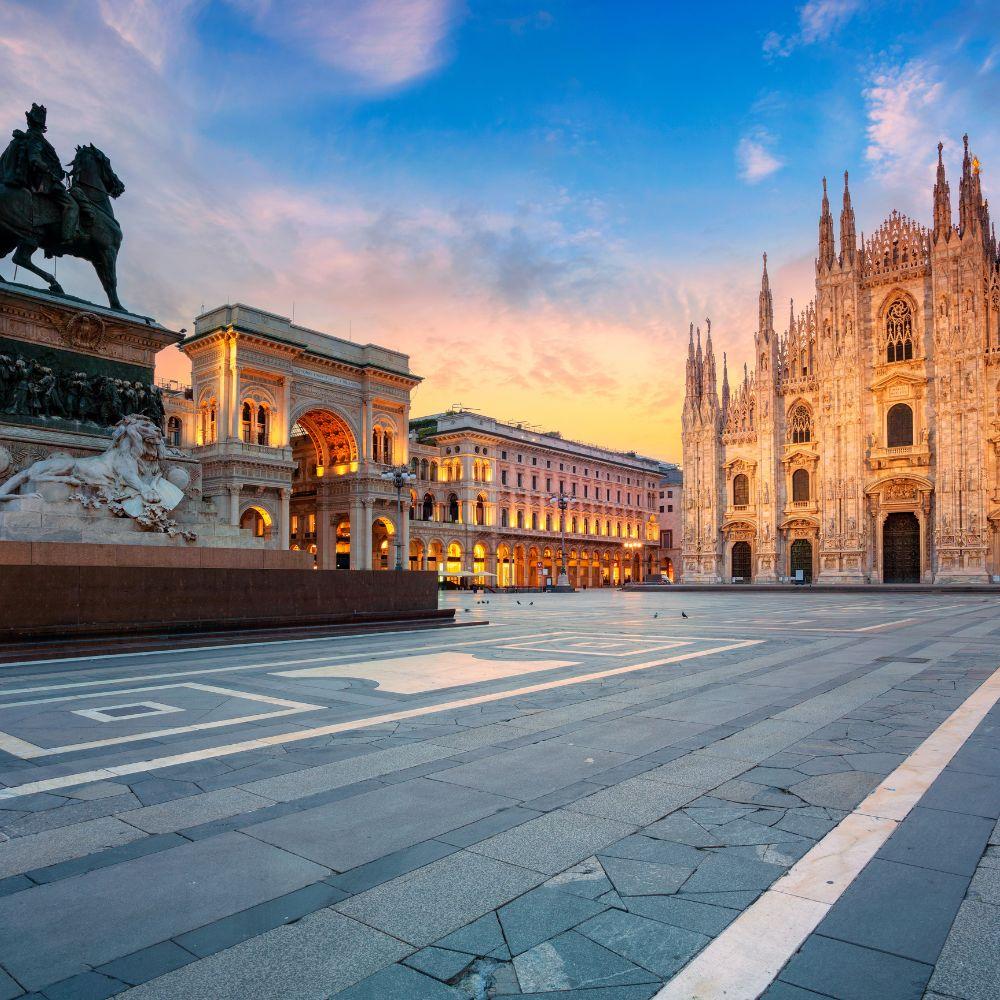
Milan: Add Northern Italy to Your Itinerary
Milan works best as an optional extension for travelers genuinely interested in northern Italy. One or two nights can introduce a very different side of the country.
Fashion, design, contemporary culture, and historic architecture all contribute to a city whose character feels distinctly different from Florence or Rome.
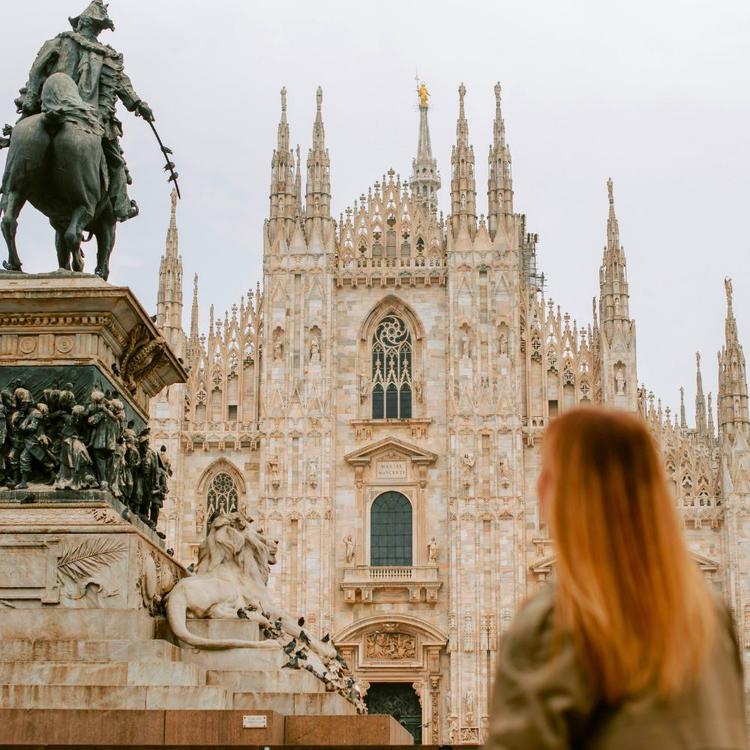
Begin around the Duomo and the elegant Galleria Vittorio Emanuele II, then continue toward areas such as Brera or the Sforza Castle. Fashion lovers can spend additional time around the Quadrilatero, while food and design enthusiasts will find plenty to explore across the city.
When time is limited, a Walking Tour: Best of Milan | Private can cover the essentials quickly and leave the remainder of the stay free for personal interests.
Milan should earn its place in your itinerary. If northern Italy is one of your priorities, it can become an excellent starting or finishing point.
A 10-Day Italy Itinerary: Rome at the Center
A 10-day Italy itinerary requires a little discipline. There is enough time to experience several of Italy's best-known cities, provided that the route remains efficient and every day is allowed some breathing room.
This version places Rome at the center of the experience and gradually introduces Renaissance Florence, Venice, and Naples.
Days 1-3: Rome
Start with three nights in Rome, giving yourself permission to keep the arrival day particularly easy.
Jet lag is real, and an evening walk followed by pasta and an early night can be a far better beginning than a tightly timed museum reservation.
Day 1: Arrive in Rome and explore the neighborhood around your hotel. Enjoy a piazza, an aperitivo, or dinner nearby.
Day 2: Focus on Ancient Rome and some of the city's major landmarks.
Day 3: Visit the Vatican or choose another guided experience, then leave part of the afternoon or evening free.
That unscheduled time matters. Rome is a city where walking between two planned sights can easily become an experience of its own.
Days 4-5: Florence
Travel from Rome to Florence by high-speed train and spend two nights in the Tuscan capital.
The compact historic center makes a shorter stay possible, particularly when you get oriented early.
Consider a guided introduction on your first afternoon, then dedicate the remaining time to whichever side of Florence interests you most: Renaissance art, architecture, shopping, craftsmanship, or food.
Give yourself at least one evening simply to walk through the center after the day trippers have started leaving.
Days 6-7: Venice
Continue by high-speed train from Florence to Venice for another two-night stay.
An introductory tour can help you understand the city early, leaving plenty of time afterward to follow your own curiosity.
Visit the essential landmarks, then create room for a vaporetto ride, cicchetti, quiet canals, and an evening walk through streets that feel completely different after sunset.
Day 8-10: Naples
The journey from Venice to Naples is one of the longer transitions in this itinerary, so treat day 8 primarily as a travel and arrival day.
An easy evening is enough once you reach southern Italy.
Day 8: Arrive, check in and enjoy a relaxed walk and dinner
Day 9: Explore Naples with a local guide, then continue independently during the afternoon.
Day 10: Departure.
If your travel schedule gives you an additional full day, consider Capri or the Amalfi Coast. Avoid squeezing a long coastal excursion into the itinerary simply because it appears on a list of places you are expected to see.
Then days already contain plenty of Italy.
A 14-DAY Italy Itinerary: The More Relaxed Version
A 14-day Italy itinerary gives the same journey a much easier rhythm. Extra nights become especially valuable in Rome, Florence, and Venice, where another day can completely change the experience.
For many first-time visitors, two weeks represents the most balanced version of a classic multi-city Italy vacation.
Days 1-4: Rome, 4 nights
Use the additional time to combine major attractions with neighborhoods, food experiences, and a genuinely free afternoon.
Days 5-7: Florence, 3 nights
Explore the Renaissance highlights at a comfortable pace and keep space for artisan neighborhoods, markets or a longer meal.
Day 8-10: Venice, 3 nights
See St. Mark's and the major landmarks, then dedicate another day to quieter neighborhoods or the Venetian Lagoon.
Days 11-13: Naples plus Amalfi Coast or Capri, 3 nights
Experience Naples itself and use one day for a carefully chosen coastal excursion.
Day 14: Departure
This structure gives each destination a clearer identity and significantly reduces the feeling of constantly arriving or departing.
Milan can also fit into a two-week Italy itinerary, although the smartest principle is simple:
If Milan is a priority, replace rather than simply add.
For example, travelers more interested in northern Italy could substitute Milan for Naples and the Amalfi Coast. Another possibility is shortening one or two stops slightly while maintaining at least two nights in each city.
A vacation becomes richer when the itinerary reflects your interests rather than the number of pins you can place on a map.
How to Fit Milan Into a 10-14 Day Italy Trip
Milan connects well with Florence and Venice, which makes it relatively easy to incorporate into an itinerary focused on northern and central Italy.
The best route depends on whether Milan is one of your main interests or simply a convenient arrival or departure point.
Option A: Northern Italy Focus
Milan --> Venice--> Florence --> Rome
This route works beautifully for travelers interested primarily in northern and central Italy.
It also creates a logical progression between cities and avoids the long transition toward Naples.
Option B: Classic First Italy Trip
Rome --> Florence --> Venice --> Naples
This is one of the strongest combinations for a first visit because each destination offers a distinctly different experience.
Ancient history, Renaissance art, canals, street life, and southern food culture all appear within one journey.
Option C: Extended Multi-City Itinerary
Milan --> Venice--> Florence --> Rome --> Naples
Travelers with 14 days and a strong desire to see both northern and southern Italy can make this route work.
It requires careful planning and a fairly active pace, so each stop should be selected intentionally. Anyone who enjoys slower travel may find four bases more satisfying.
Should You Book Guided Tours in Italy?
Guided tours make the greatest difference when they solve a genuine travel problem. That may involve time, logistics, historical context or simply the challenge of understanding an unfamiliar city.
Using them selectively also leaves plenty of room for independent exploration.
A guide is particularly useful when:
- Your time in a city is limited
- You want to understand the history behind landmarks you are seeing
- The destination is difficult to navigate, especially in cities such as Venice or Naples
- Major attractions require advance planning or timed entry.
- You are traveling with children or a multigenerational family.
- You want help establishing your bearings at the beginning of a stay,
- You are visiting a destination where transportation logistics can consume a large part of the day
Think of guided experiences as strategic anchors within your Italy itinerary.
A well-planned tour on the first morning can provide enough context to make the next two days more meaningful. A private experience can help families move at their own pace. A small group can offer expert guidance while maintaining a social atmosphere.
Walks Inside Rome offers private and small group experiences in Rome and destinations across Italy, allowing travelers to combine expert guidance with plenty of independent time.
How to Avoid Overplanning Your Italy Vacation
One of the easiest ways to improve an Italy vacation is to schedule less. A beautiful itinerary still needs mornings without alarms, long lunches, and enough flexibility to follow a recommendation from someone you met the night before.
Italy tends to reward travelers who leave a little room around their plans.
Keep arrival days light. After an international flight or several hours on a train, wandering around a neighborhood and finding dinner nearby may be exactly what the day needs.
Group attractions geographically whenever possible. Crossing Rome several times in one day or repeatedly moving between opposite sides of Florence adds unnecessary travel.
Avoid changing hotels every night. A second or third night in the same room gives the vacation continuity and lets you begin the following morning already knowing where you are.
Most importantly, protect some unstructured time in every destination.
The best Italy itinerary is the one you will still be enjoying on day 12
How to Travel Between Italy's Major Cities
Transportation plays a major role in how to plan a trip to Italy, particularly when several cities are involved. Fortunately, many of the country's most popular destinations are connected efficiently by high-speed rail.
Private transportation becomes more valuable when the journey itself involves smaller towns, coastal roads, or several separate stops.
- Route: Rome --> Florence; Suggested Transport: High Speed Train; Main Consideration: Easy and Efficient
- Route: Florence --> Venice; Suggested Transport: High Speed Train; Main Consideration: Straightforward Connection
- Route: Venice --> Naples; Suggested Transport: High-speed train; Main Consideration: Longer transition, plan the day carefully
- Route: Rome --> Naples; Suggested Transport: High Speed Train; Main Consideration: Very convenient
- Route: Naples --> Amalfi Coast; Suggested Transport: Private transfer or private day experience; Main Consideration: Local logistics require more planning
- Route: Florence --> Milan; Suggested Transport: High Speed Train; Main Consideration: Easy northern connection
As a general rule, use high-speed trains for travel between major Italian cities. Consider private transportation when reaching the destination or moving within it, becomes a significant part of the logistical challenge.
This distinction can save both time and energy throughout the trip.
Sample Italy Itineraries at a Glance
There is no single perfect route through Italy. Your best itinerary depends on how much time you have and what you want to remember when you return home.
Use these routes as starting points and adjust them according to your interests.
- Trip length: 7 Days; Suggested Route: Rome+Florence; Best for: First time visitors with limited time
- Trip length: 11 days; Suggested Route: Rome + Florence + Venice + Naples; Best for: Classic first Italy trip
- Trip length: 12 days; Suggested Route: Rome + Florence + Venice + Naples or Amalfi Coast; Best for: Travelers looking for a more balanced pace
- Trip length: 14 Days; Suggested Route: Rome + Florence + Venice + Naples and Amalfi Coast with Milan as an alternative; Best for: Travelers looking for greater variety
Adding destinations is always optional. An extra night in a city you love may be more memorable than another hotel check-in.
Final Tips for Planning Your Italy Vacation
Once you have chosen the general route, the rest of your Italy trip becomes much easier to organize. Think about pace first, major reservations second, and smaller details afterward.
A few simple planning principles can make an enormous difference once you arrive.
- Choose around three to five destinations for a 10- to 14-day Italy vacation.
- Stay near useful transportation connections or the historic center whenever practical
- Use high-speed trains between major cities
- Include check-out, station, and transfer time when calculating travel days.
- Reserve high-demand museums and archaeological sites ahead of time.
- Leave open time in every destination.
- Use guided tours where they genuinely add context or simplify your day.
- Consider private tours when traveling as a family or multigenerational group
- Consider small group tours when you want expert guidance with a more social atmosphere
- Build the itinerary around your interests rather than someone else's bucket list.
Perhaps your ideal Italy vacation begins among Roman ruins and ends beside the Mediterranean. Perhaps art in Florence matters more to you than the coast. Maybe Venice has been on your list for twenty years, or Naples is calling because the idea of warm pizza straight from the oven sounds like a perfectly reasonable reason to cross the Atlantic.
That is the pleasure of planning Italy.
The country gives you an extraordinary amount to choose from. Give each place enough time to become more than a photograph, and a 10- or 14-day trip can feel like the beginning of a much longer relationship with Italy.
Back to top


