Milan makes a very different first impression from Rome, Florence or Venice. Its beauty often lies in the details: an elegant courtyard, the entrance to a private palazzo, a perfectly composed shop window, or the clean lines of a contemporary building.
Milan Fashion & Design Guide: The Quadrilatero, Brera and Navigli
Published on
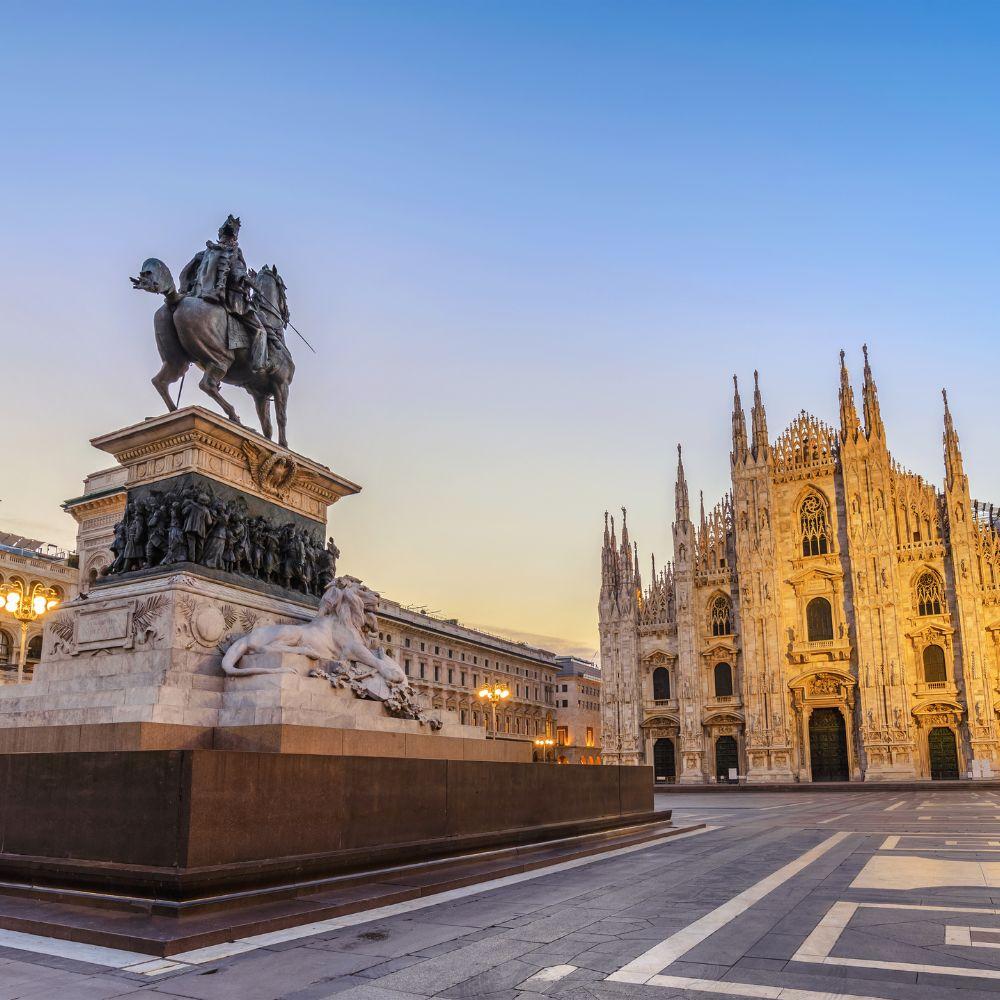
For travelers wondering what to do in Milan beyond the Duomo and Leonardo da Vinci’s Last Supper, exploring the city through fashion and design is one of the best ways to understand its personality. A walk through the Milan fashion district, Brera and Navigli reveals three distinct sides of the city, from Italian luxury and art to aperitivo culture and creative local life.
Why fashion and design belong on a Milan itinerary
Fashion in Milan extends far beyond Fashion Week. Clothes, furniture, architecture and industrial design have shaped the city’s international identity for decades, while the craftsmanship behind Made in Italy continues to connect contemporary Milan with generations of Italian artisans.
Milan became firmly established as one of the world’s leading fashion capitals during the rise of Italian ready-to-wear in the second half of the 20th century. Designers such as Giorgio Armani and Gianni Versace helped bring Milanese style to an international audience, building on northern Italy’s long tradition of textile production and craftsmanship.
Today, that legacy is visible throughout the city. Historic palazzi house contemporary flagships, independent designers work close to Renaissance masterpieces, and furniture showrooms sit alongside old cafés and family-run restaurants.
This makes a Milan fashion and design itinerary rewarding even if shopping is not your main priority.
The Quadrilatero della Moda: Milan’s luxury fashion district
The Quadrilatero della Moda is the natural starting point for anyone interested in fashion in Milan. Located close to the historic center, this compact area contains some of the most prestigious shopping streets in the world.
Its core includes Via Montenapoleone, Via Manzoni, Via della Spiga and Corso Venezia, with elegant streets such as Via Sant’Andrea and Via Gesù connecting them.
Begin on Via Montenapoleone, where designer boutiques and carefully staged windows create an open-air showcase for Italian and international fashion. Prada, Armani, Gucci, Bottega Veneta and other major houses have helped make this area a global symbol of luxury.
Then move toward Via della Spiga and the quieter surrounding streets. Look above the storefronts and you will notice balconies, internal courtyards and historic façades that reveal another layer of Milanese style.
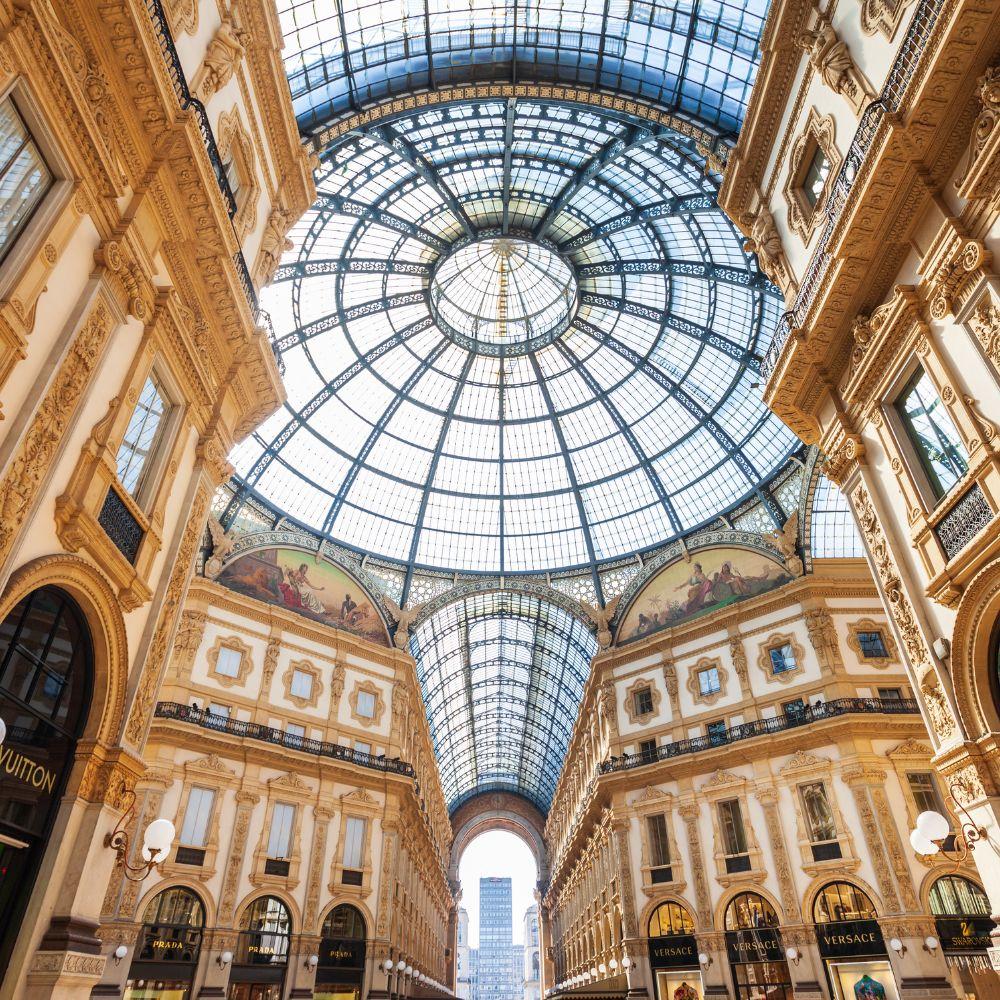
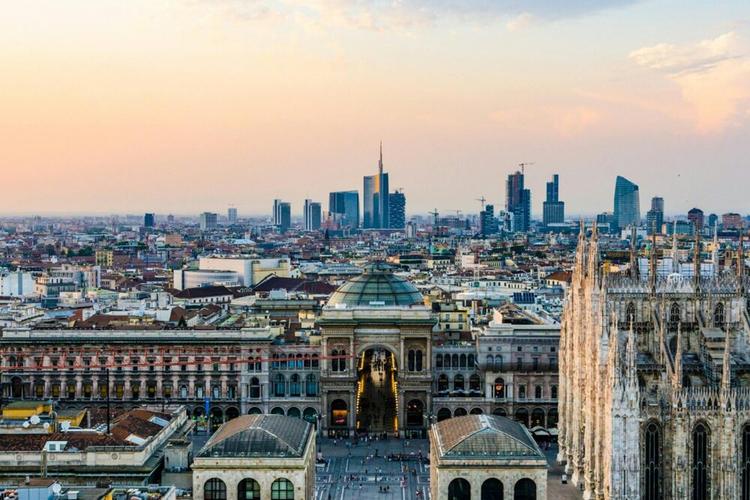
Nearby, Galleria Vittorio Emanuele II brings architecture and fashion together beneath its 19th-century glass roof. Connecting Piazza del Duomo and Piazza della Scala, it remains one of the city’s most recognizable landmarks.
What if you do not want to shop?
The Quadrilatero is still worth exploring. Window displays are often curated with the precision of gallery installations, and the surrounding architecture gives plenty to admire between boutiques.
The district is also close to museums and historic residences. Palazzo Morando, for example, explores Milanese history, costume and fashion, offering useful context for understanding the city’s relationship with style.
Vintage enthusiasts may also want to explore Milan’s second-hand and archival fashion scene, where designer pieces from different decades offer a less conventional take on shopping in Milan.
Brera: art, design and Milanese elegance
From the fashion district, continue toward Brera, one of Milan’s most appealing neighborhoods to explore on foot. Cobblestone streets, galleries, boutiques and café terraces give the area a noticeably softer rhythm.
Brera has long been associated with artists and intellectuals, and that creative identity is still visible today. Independent boutiques, perfume stores and contemporary galleries sit comfortably alongside historic buildings and restaurants.
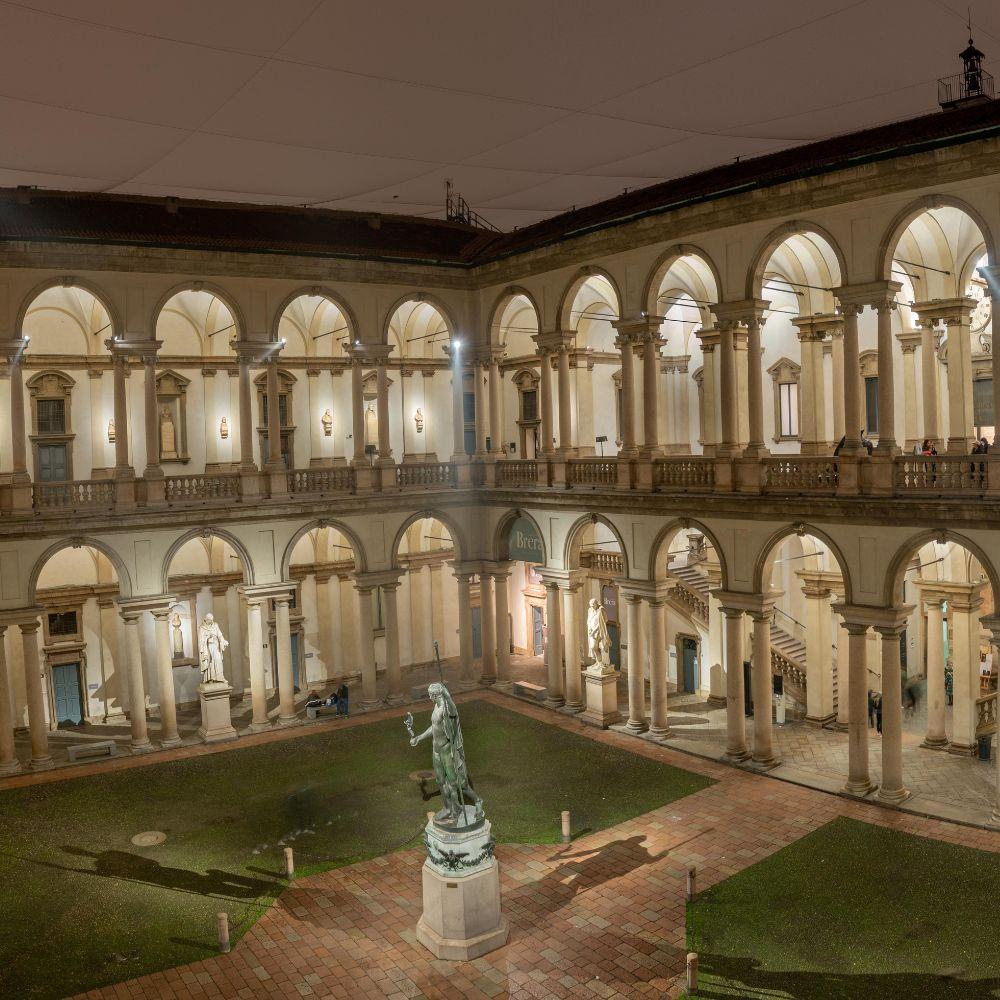
At the center of the neighborhood stands the Pinacoteca di Brera, home to one of Italy’s most important art collections. Works by Raphael, Caravaggio, Mantegna and Piero della Francesca make it an essential stop for travelers interested in Italian art.
Afterwards, spend some time wandering through Via Fiori Chiari, Via Madonnina and the smaller streets around the gallery. Hidden inside the Brera complex, the botanical garden offers a peaceful break from the city.
Brera is also an ideal place for lunch. A plate of golden risotto alla milanese, followed by an espresso at a nearby café, fits naturally into the pace of the neighborhood.
Design beyond fashion
Milan’s creative influence reaches well beyond clothing. Furniture, lighting, architecture and industrial design are equally important parts of the city’s identity.
For travelers interested in this side of Milan, Triennale Milano, beside Parco Sempione, is an excellent addition to the itinerary. Its exhibitions explore Italian and international design, architecture and visual culture.
The city’s design scene becomes especially visible during Milan Design Week, when exhibitions and installations spread across neighborhoods such as Brera, Isola and Porta Venezia.
Outside Design Week, the city is easier to explore and its creative character is still everywhere. Look inside furniture stores, smaller galleries and beautifully designed restaurants and cafés. In Milan, the setting often matters as much as what is being served.
Navigli: canals, creativity and Milanese aperitivo
As afternoon turns into evening, head toward Navigli. Here, the polished streets of central Milan give way to canals, old railing houses, art studios, vintage shops and busy terraces beside the water.
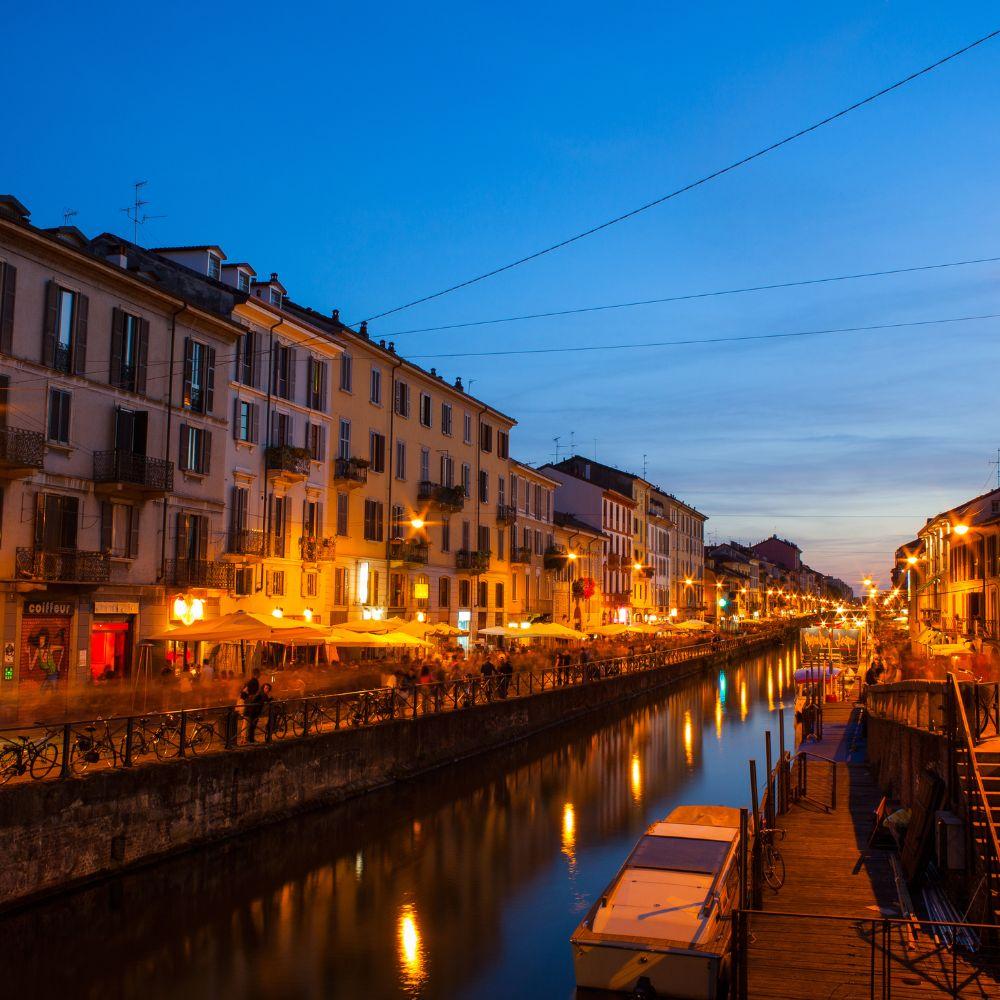
The district grew around Milan’s historic canal network and has become one of the city’s favorite areas for aperitivo. Naviglio Grande and the Darsena are especially atmospheric around sunset, when bars begin to fill and the pace of the day slows down.
Start with a walk along the Naviglio Grande, browse the small shops and cross one of the iron footbridges for views along the canal.
If you are visiting on the last Sunday of the month, the area also hosts a popular antiques market, with stalls selling furniture, prints, jewelry and vintage objects.
Then find a table by the water and order a spritz, a glass of Franciacorta or a Negroni Sbagliato, the Milanese variation made with sparkling wine.
After a day of galleries, Italian tailoring and carefully designed interiors, aperitivo beside the canals is an easy way to finish the day.
How to plan a Milan fashion and design itinerary
Milan works particularly well when explored neighborhood by neighborhood. The Quadrilatero, Brera and Navigli can easily be combined in one full day, with the atmosphere changing naturally as you move through the city.
A good route could look like this:
- Begin around the Duomo and Galleria Vittorio Emanuele II, especially if it is your first time in Milan.
- Explore the Quadrilatero della Moda, including Via Montenapoleone and Via della Spiga.
- Continue toward Brera for lunch, boutiques and galleries.
- Visit the Pinacoteca di Brera if art is one of your priorities.
- Walk toward Parco Sempione and Triennale Milano for a stronger focus on design.
- Head to Navigli in the late afternoon.
- Finish with aperitivo along the Naviglio Grande.
If museums and shopping are both high on your list, spreading the route over two days will make the experience much more relaxed.
Practical tips for exploring Milan
Milan is easy to navigate once you understand how its neighborhoods connect. The historic center, Quadrilatero and Brera are especially enjoyable on foot, while the metro and tram network is useful for longer distances
Book major attractions in advance
If you want to see the Duomo or Leonardo da Vinci’s Last Supper, reserve your entrance ahead of time. Tickets for The Last Supper in particular can sell out well in advance.
Fashion Week and Design Week also bring higher demand for hotels, restaurants and private guides, so early planning is strongly recommended.
Use public transportation when it saves time
Milan’s metro, buses and trams make moving between neighborhoods straightforward. Contactless payment is widely available, which is especially convenient for international travelers.
Walking, however, remains one of the best ways to experience central Milan. The route from the fashion district into Brera allows you to notice the gradual change in architecture, stores and street life.
Give Milan more than one day
One day provides a good introduction, but two or three days allow you to explore the city at a much better pace.
With additional time, you can see the classic landmarks, visit the fashion district, enjoy Brera without rushing and still dedicate an evening to Navigli.
Experiencing Milan through fashion, design and local culture
Milan reveals itself gradually. The Duomo may provide the immediate spectacle, while the personality of the city becomes clearer as you move through its neighborhoods: the elegance of the Quadrilatero, the artistic atmosphere of Brera, the innovation of contemporary Italian design and the evening energy of Navigli.
Exploring these areas also helps explain why Milan occupies such a distinctive place within Italy. Artistic heritage, craftsmanship and modern design coexist throughout the city, shaping everything from architecture to fashion and food.
With Walks Inside Rome, you can explore Milan alongside expert local guides who bring history, art and local culture into focus. Our private Milan experiences can help you understand the stories behind the city’s landmarks while leaving plenty of time to continue discovering its boutiques, galleries, cafés and neighborhoods at your own pace.
Once you know where to look, Milan becomes a city of details. Very often, those details are what you remember most.
Back to top


