Tuscany seems familiar even before you arrive. Its rolling hills, vineyards, cypress-lined roads, and medieval villages have appeared in films, paintings, and travel dreams around the world.
Chianti & Tuscan Hill Towns: Wine Tasting Tours in Sinea, San Gimignano & Val d'Orcia
Published on
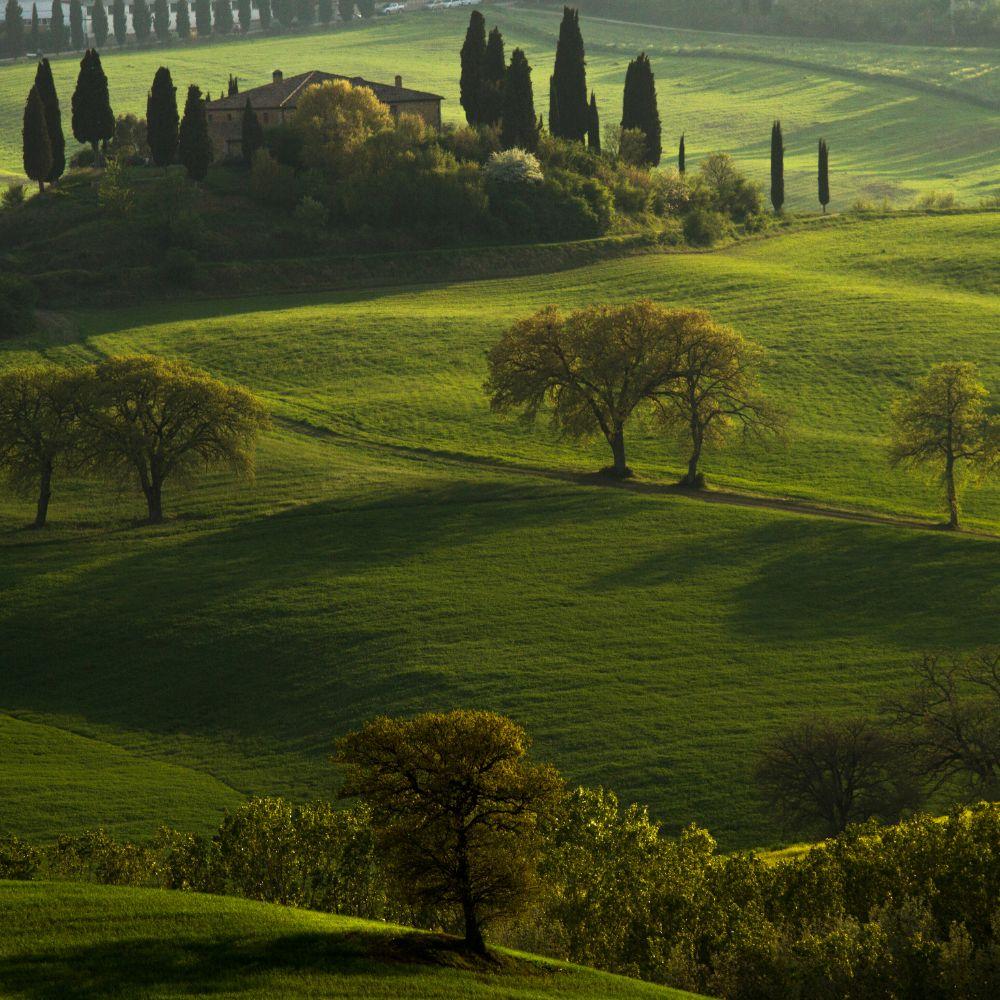
Florence is often the gateway to the region, but the Tuscany many travelers are searching for lies beyond the city. Its character is found in family-run wineries, quiet hill towns, country roads, and long lunches served with local wine, pecorino cheese, and freshly pressed olive oil.
Travelers looking for the best Tuscany wine tours, a Chianti wine tasting tour, or the most beautiful Tuscan hill towns to visit usually want to combine wine, landscapes, food, and cultural discovery.
Chianti, Siena, San Gimignano, and Val d'Orcia each offer a different perspective on Tuscany. Together, they create an itinerary filled with medieval architecture, vineyard visits, countryside views, and local flavors.
Chianti: the heart of Tuscany's wine culture
Chianti is one of the most famous wine regions in Italy and an essential destination for anyone interested in wine tasting in Tuscany.
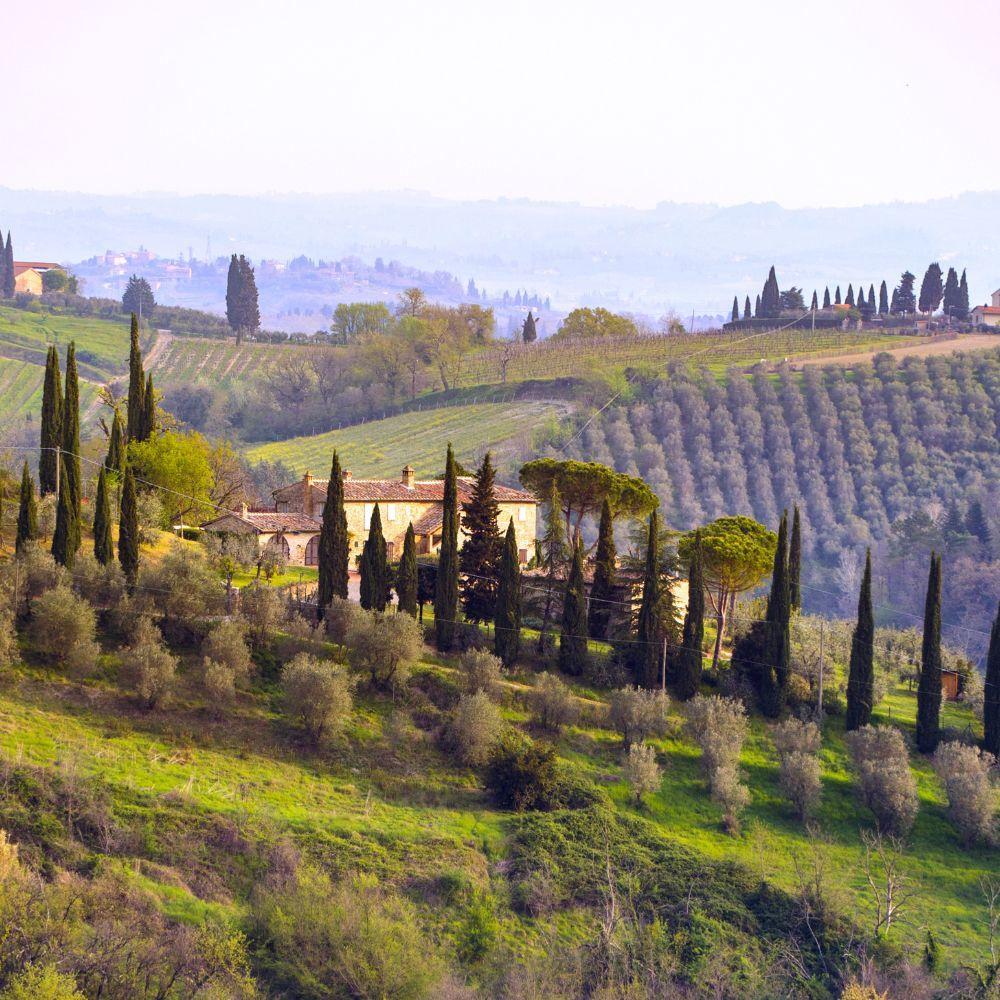
Located between Florence and Siena, the region is defined by vineyards, olive groves, stone farmhouses, wooded valleys, and roads lined with cypress trees. Villages such as Greve, Ponzano, Castellina, and Radda offer atmospheric stops between wineries.
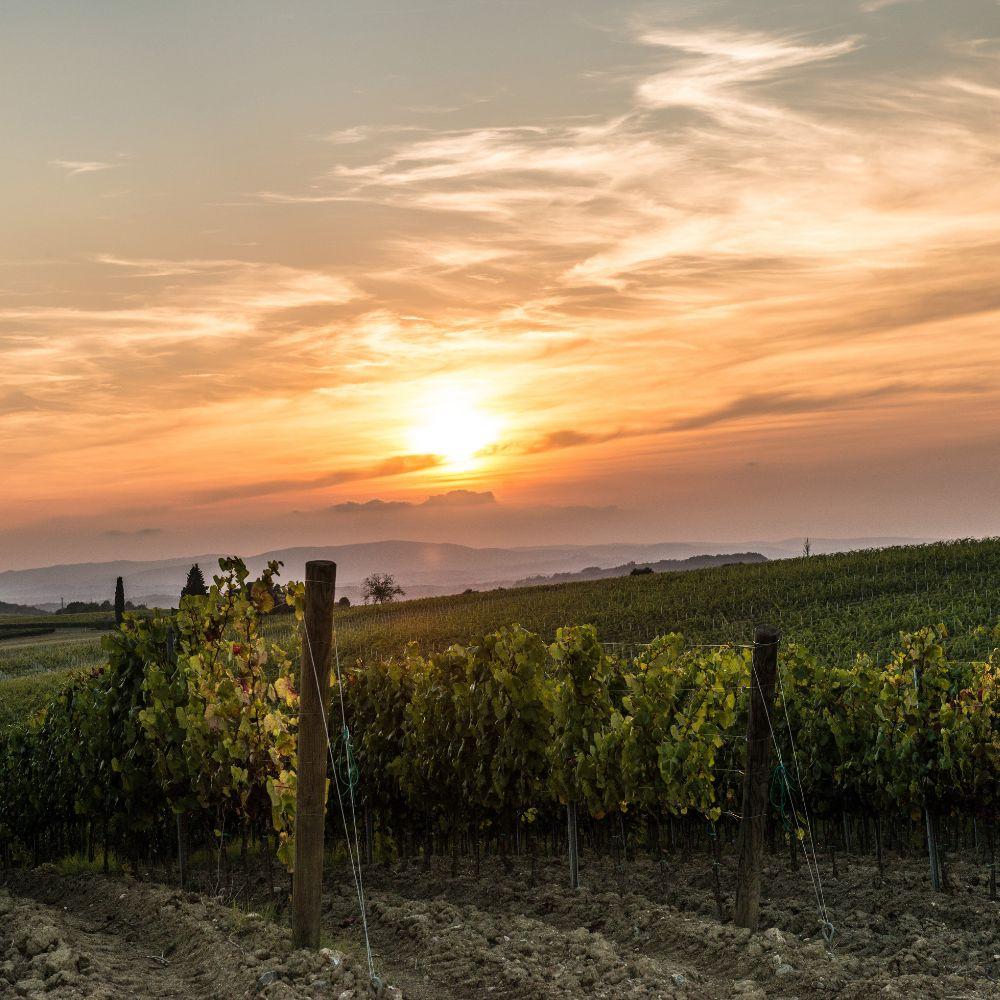
A well-planned Chianti wine tour introduces visitors to the connection between the landscape and the wines produced here. Instead of simply ordering a bottle at dinner, travelers can walk through the vineyards, explore the cellars, and taste each wine in the place where it was created.
What to expect from a Chianti wine tasting tour
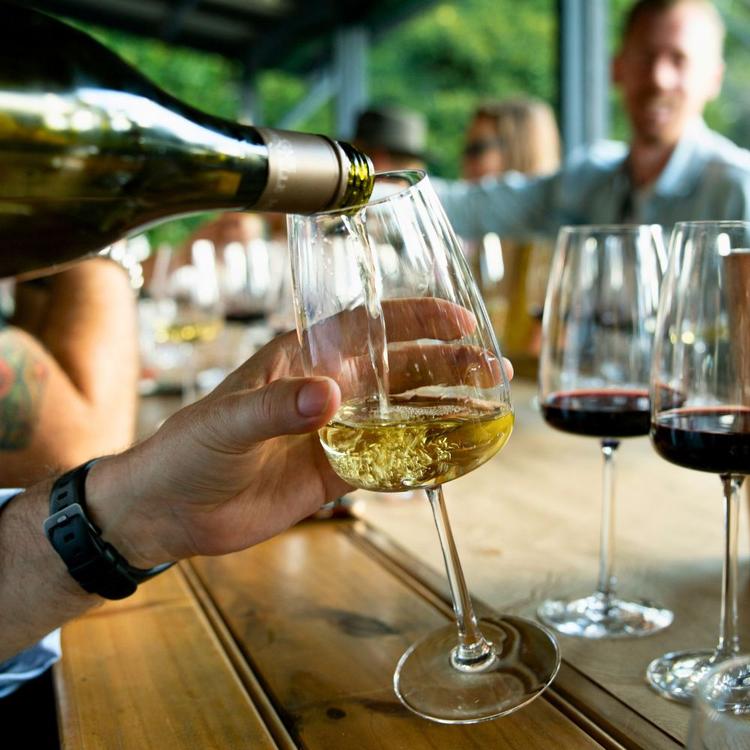
Most winery visits begin with an introduction to the estate and its history. Guests may explore the vineyards, production areas, barrel rooms, and aging cellars before sitting down for a guided tasting.
You do not need to be a wine expert to enjoy the experience. Winery hosts explain how the wines are produced, what makes each vintage different, and how factors such as soil, climate, and aging influence the final result.
Food is often included because Tuscan wine is traditionally enjoyed at the table. Pecorino cheese, cured meats, crostini, extra-virgin olive oil, and homemade pasta allow visitors to understand how local dishes complement the region's wines.
A good itinerary should also leave time to enjoy the countryside. Some of the most memorable moments may happen while standing beside a vineyard, wandering through a small village, or lingering over lunch longer than originally planned.
How to choose the best wineries in Chianti
Searching for the best wineries in Chianti can feel overwhelming. The region includes historic estates, boutique producers, family-owned farms, modern cellars, and luxury wine resorts.
The right winery depends on the type of experience you prefer. Some visitors enjoy grand estates with historic architecture and extensive cellars. Others prefer smaller producers where the tasting feels personal, and the person serving the wine may also be involved in its production.
Visiting two different wineries can offer a valuable comparison between winemaking styles and local traditions. Look for an itinerary that includes a cellar tour, guided tastings, lunch, and time in the countryside rather than trying to visit as many wineries as possible.
Siena: medieval beauty and timeless traditions
Siena adds history and cultural depth to a Tuscany itinerary. Its narrow streets, brick palaces, churches, and hidden courtyards preserve one of the most distinctive medieval cityscapes in Italy.
Unlike Florence, which is closely associated with Renaissance art and architecture, Siena retains a strongly medieval identity. Its historic neighborhoods, known as contrade, continue to play an important role in local life.
A Siena day trip is ideal for travelers who want to balance winery visits with architecture, history, and urban exploration.
What to see in Siena
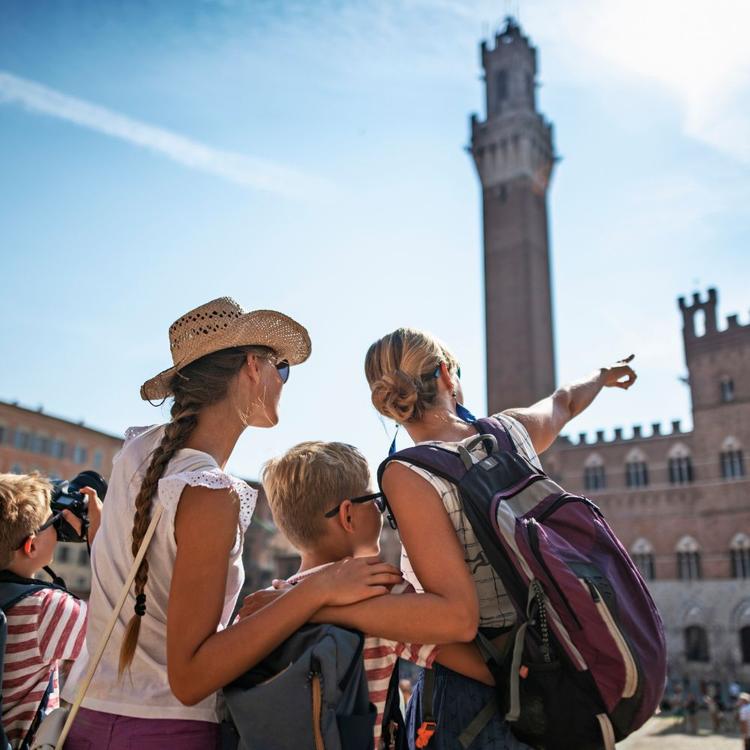
Piazza del Campo is the natural starting point for a visit. This shell-shaped square is surrounded by elegant brick buildings and dominated by the Palazzo Pubblico and Torre del Mangia.
From the square, Siena's streets lead toward the Cathedral. Its striped marble exterior and elaborate decoration make it one of Tuscany's most impressive religious buildings.
However, discovering what to see in Siena should not mean rushing from one monument to another. The city is best experienced by walking through its smaller streets, exploring the contrade and pausing at viewpoints overlooking the rooftops and surrounding hills.
So, is Siena worth visiting? Absolutely, particularly when you allow enough time to explore beyond the main square. Even a few unhurried hours can reveal why Siena remains one of Tuscany's most memorable cities.
San Gimignano: Tuscany's Iconic Hill Town
San Gimignano is one of the most recognizable towns in Tuscany. Its medieval towers rise above the surrounding vineyards, creating a skyline that can be seen long before reaching the historic center.
During the Middle Ages, wealthy families built these towers as symbols of influence and prosperity. Today, they give San Gimignano its distinctive appearance and help make it one of the best hill towns in Tuscany.
The town's stone streets, defensive walls, churches, and public squares preserve the atmosphere of a prosperous medieval settlement.

What to do in San Gimignano
The best way to explore San Gimignano is on foot. Begin around Piazza della Cisterna and Piazza del Duomo, then follow the smaller lanes leading away from the busiest areas.
These quieter streets reveal artisan workshops, stone courtyards and panoramic viewpoints over vineyards and olive groves. Climbing to one of the town's elevated terraces provides an even broader view of the Tuscan countryside.
Visitors wondering what to do in San Gimignano should also leave time for local food and wine. The town is associated with Vernaccia di San Gimignano, a historic Tuscan white wine produced in the surrounding countryside.
A San Gimignano day trip can be combined with a winery visit or a stop in Chianti. However, the itinerary should remain realistic. Visiting fewer places at a relaxed pace usually creates a more rewarding experience than trying to see several towns in a single day.
10:00 hours
Private
Starting from € 2240,00 for two
View moreVal d'Orcia: Tuscany's most breathtaking landscapes
South of Siena, Val d'Orcia offers some of the most celebrated scenery in Italy. Its rolling hills, isolated farmhouses, vineyards, and cypress-lined roads form the landscape seen in countless photographs and films.
Val d'Orcia is also a living agricultural area shaped by centuries of farming, winemaking, and local traditions. The villages, fields, and country estates remain closely connected to the land.
For travelers searching for the most beautiful places in Tuscany, this area is difficult to surpass.
What to see in Val d'Orcia
A rewarding Val d'Orcia itinerary may include Pienza, Montalcino, San Quirico d'Orcia and Bagno Vignoni.
Pienza is known for its Renaissance center, countryside views and pecorino cheese. Montalcino rises above vineyards associated with Brunello di Montalcino. San Quirico d'Orcia offers quiet stone streets and historic gardens, while Bagno Vignoni is famous for the thermal pool located in its main square.
Travelers researching what to see in Val d'Orcia should also pay attention to the landscapes between the towns. A country road, a farmhouse on a distant hill or a row of cypress trees can become one of the highlights of the day.
Val d'Orcia is best explored without rushing. Allow time for scenic stops, village walks and a relaxed lunch surrounded by the countryside.
How To Plan the Perfect Tuscany Wine Tasting Itinerary
The ideal Tuscany wine tour itinerary depends on your priorities. Some travelers want to visit several wineries, while others prefer to combine one tasting with historic towns, food and landscapes.
The most important consideration is pacing. Country roads are winding, winery visits may last longer than expected, and lunch is often an important part of the experience.
A one-day Tuscany itinerary from Florence
For a single day, Chianti is one of the easiest areas to reach from Florence. A well-paced itinerary can include two wineries, lunch and a stop in a village.
Another option is to combine Siena with part of the Chianti countryside. San Gimignano can also be paired with a winery experience for travelers interested in medieval architecture and classic hill-town views.
Trying to visit Chianti, Siena, San Gimignano, and Val d'Orcia in one day is not recommended. The distances may look manageable on a map, but the itinerary would leave very little time to enjoy each destination.
A two or three-day Tuscany itinerary
With two or three days, Tuscany can be explored more naturally. One day may focus on Chianti and its wineries, while another combines Siena and San Gimignano.
Val d'Orcia deserves a separate day, particularly when traveling from Florence. Staying overnight near Siena can reduce driving times and provide easier access to Pienza, Montalcino and the Southern countryside.
Travelers with more time may choose to stay at an agriturismo, a wine estate or a small hill-town hotel. Waking up among the Tuscan hills adds another dimension to the journey.
Guided Tours vs Independent Exploration in Tuscany
Both independent travel and guided tours can work well in Tuscany. Renting a car provides flexibility, while an organized experience simplifies transportation, winery reservations, and daily planning.
The best option depends on how much freedom you want, how comfortable you feel driving, and whether wine tasting is a central part of the day.
Exploring Tuscany independently
A rental car allows travelers to stop at viewpoints, change plans, and spend more time in their favorite towns. It is particularly useful for multi-day trips and countryside stays.
However, winery visits should usually be reserved in advance. Many Tuscan wineries are working agricultural estates rather than tasting rooms open to walk-in visitors.
Drivers must also be careful during wine tastings. Tuscan roads can be narrow and winding, while many historic centers have restricted traffic zones and limited parking.
Booking a guided Tuscany wine tour
A guided tour provides easier logistics, local knowledge, and access to carefully selected wineries. It also allows everyone in the group to participate in the tastings without worrying about driving.
For travelers asking "should i book a Tuscany wine tour?", convenience is one of the strongest reasons to do so. Transportation, reservations, and timing are arranged in advance, leaving guests free to enjoy the experience.
The best Tuscany wine tours from Florence balance winery visits with lunch, scenery, and time in a village. The day should feel relaxed rather than structured around a long series of short tastings.
Practical tips for exploring Tuscany
Good planning can make the difference between a memorable day and an exhausting one. Tuscany appears compact on a map, but travel between hill towns often takes longer than expected.
Keep these practical Tuscany travel tips in mind:
- Reserve winery visits in advance
- Avoid filling the itinerary with too many stops
- Wear comfortable shoes for uneven medieval streets
- Leave enough time for a proper Tuscan lunch
- Check parking and traffic restrictions before entering historic towns
- Consider a private driver for wine-focused days
- Plan around shorter daylight hours in fall and winter
The best time to visit Tuscany depends on the experience you want. Spring offers green landscapes and mild temperatures. Summer brings long days and lively towns. Autumn is ideal for seasonal food, harvest activity, and wine experiences.
Ask for how many days in Tuscany, three or four days provide a good introduction. A week allows travelers to explore at a slower pace and include both northern and southern areas.
Experiencing Tuscany Beyond Wine Tasting
Wine may guide the journey, but it is rarely the only thing visitors remember. Tuscany stays with travelers through its landscapes, meals, towns, and small moments of everyday life.
Chianti reveals the relationship between winemaking and the countryside. Siena introduces medieval history and civic traditions. San Gimignano offers an unforgettable skyline, while Val d'Orcia presents some of the region's most beautiful landscapes.
The most rewarding experiences allow these elements to come together naturally, without hurrying from one attraction to the next.
Walks Inside Rome's private Chianti Wine Tasting with Lunch tour departs from Florence and includes a private English-speaking driver, visits and tastings at two wineries, a traditional lunch and time to explore a Chianti village.
It is a full-day journey through the vineyards, flavors and rural traditions of one of Italy's most celebrated wine regions. With someone else taking care of the driving and reservations, all that remains is to enjoy the landscape, the food, and perhaps one more glass of Chianti.

Written by
Salvatore Barberi
Salvatore Barberi is the Co-Founder of Walks Inside Rome & Italy, and a travel industry professional with more than 25 years of experience creating memorable journeys throughout Italy. His expertise spans private tours, tailor-made travel, cultural experiences, and Italian food and lifestyle. Over the years, he has developed a deep understanding of what makes a journey through Italy truly meaningful, combining local knowledge, attention to detail, and a strong focus on authentic experiences.
Back to top


