The Aurelian Walls are one of Rome's most impressive ancient monuments, and also one of its most overlooked. Stretching for miles around the historic center, these massive fortifications once defined the very limits of the Eternal City, separating what was considered Rome from the world beyond.
Aurelian Walls in Rome: History, Map & What to See
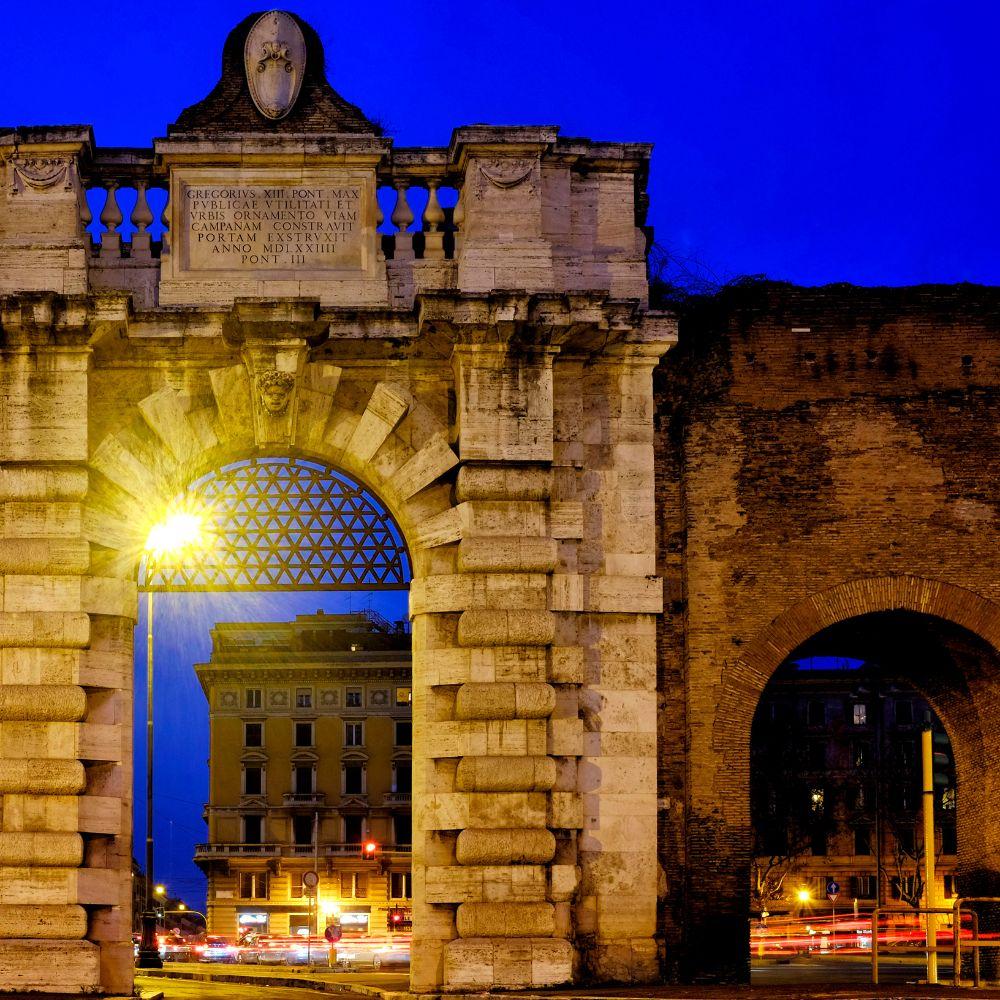
Built to protect the capital of the Roman Empire, the walls still shape how Rome is organized today. Understanding where they run helps travelers make sense of neighborhoods, hotel locations, and even why certain landmarks feel clustered together. In this guide, you'll discover what the Aurelian Walls are, why they were built, where to find them today, and what parts you can acrually visit during your time in Rome.
What are the Aurelian Walls?
The Aurelian Walls represent one of the most ambitious defensive projects of Ancient Rome, created at a moment when the empire could no longer rely on distance alone for protection.
Constructed under Emperor Aurelian between 271 and 275 CE, the walls were built to defend Rome from increasing external threats during a period of instability. This chapter of Rome Aurelian Walls history marks a turning point, when the city acknowledged its vulnerability for the first time in centuries. Later emperors, including Honorius, expanded and reinforced the fortifications, adapting them to new military realities.
Encircling the ity for nearly 19 kilometers, the Ancient Rome Aurelian Walls included towering brick ramparts, defensive towers, and monumental gates that controlled access to the city. Their sheer scale makes them one of the largest surviving ancient defensive systems in the world, and a powerful reminder of Rome's enduring importance even in times of crisis.
Where to find the Aurelian Walls today
Although centuries have passed, large sections of the Aurelian Walls still stand, weaving through modern streets, parks, and residential neighborhoods.
Originally stretching for about 19 kilometers (11,80 miles), the walls wrapped around what was considered the heart of Rome. Today, travelers can trace much of their route using a Rome Aurelian Walls map, spotting long brick stretches near major roads and quieter corners of the city. Some of the most accessible sections are near Porta San Sebastiano, Porta Maggiore, Porta Pia and the Testaccio area.
When hotels or guidebooks mention staying "Inside Rome Aurelian Walls", they're referring to accomodation whitin this historic perimeter. Areas inside the walls generally correspond to central Rome, closer to major sights and easier to explore on foot, while neighborhoods outside the walls often feel more residential and less touristy.
To visualize their impact, imagine Rome as a layered city. Iconic monuments like ancient forums, Renaissance palaces, and Baroque fountains largely sit within the Aurelian circut, while later expansions unfolded beyond it, following the city's gradual growth.
Aurelian Walls and Rome's Famous Landmarks
One of the most common questions travelers ask, is how the Aurelian Walls relate to Rome's must see attractions. These quick answers help put the city into perspective.
Is the Trevi Fountain within the Aurelian Walls?
Yes, the Trevi Fountain is located well inside the Aurelian Walls. It's central position reflects how much of historic Rome developed within this fortified boundary.
Is the Colosseum in the Aurelian Walls?
The Colosseum sit just inside the Aurelian Walls, although it was built centuries earlier, when Rome had no need for such defenses. The walls later extended to include this area, underscoring the monument's continued importance.
Can you still see part of the Aurelian Walls?
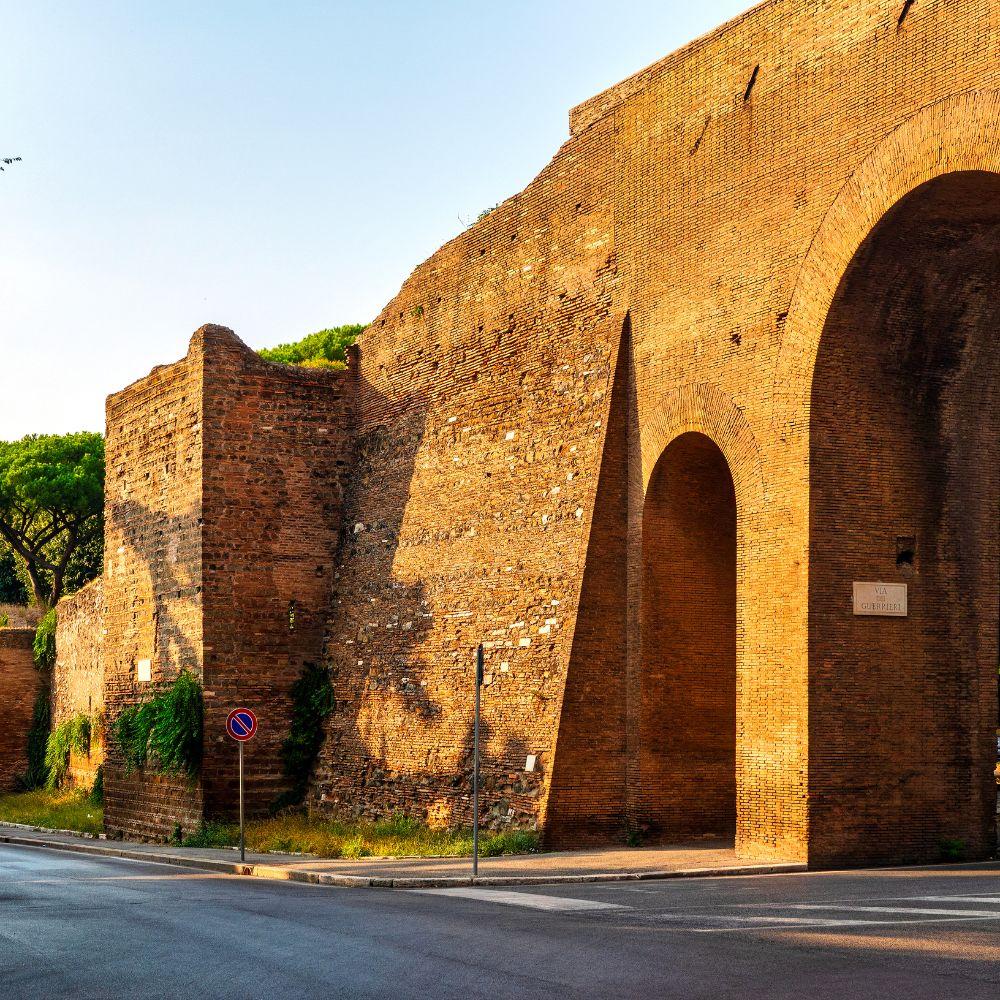
Absolutely. Long, well preserved stretches remain visible across the city, especially near Porta San Sebastiano, Testaccio, and Porta Maggiore. In some areas, the wall rise dramatically beside modern streets, creating striking contrasts between ancient and contemporary Rome.
Can you walk on the Aurelian Walls?
In select areas, yes. At the Museo delle Mura, visitors can access walkable sections along the walls, offering elevated views and a rare chance to experience Rome from a defensive vantage point.
Architectural features of the Walls
The Aurelian Walls were designed for strenght, speed of construction, and adaptability, qualities that explain their longevity.
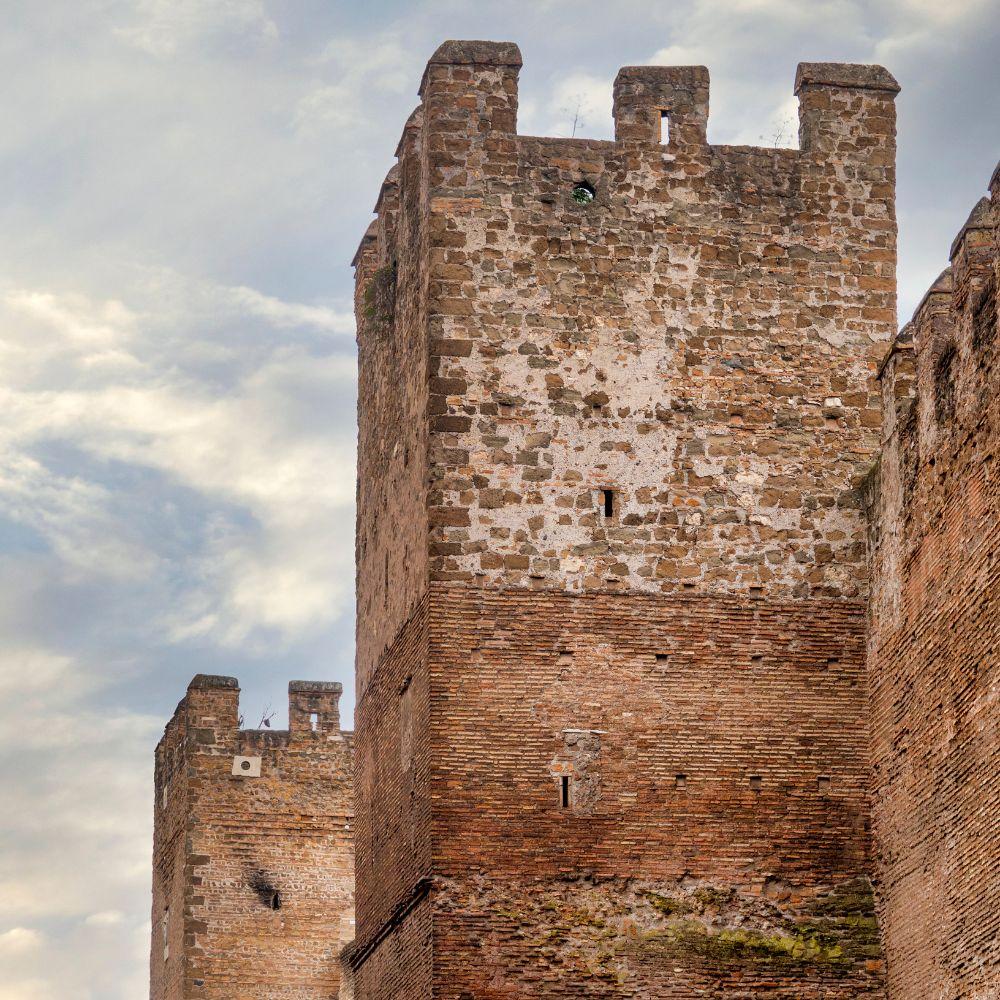
Built primarly from brick faced concrete, the walls incorporated existing structures such as aqueducts to save time and materials. Towers were placed at regular intervals, while monumental gates controlled traffic into the city. Over time, modifications added height, battlements, and reinforced sections, reflecting evolving military needs. This layered appearance is a key element of Rome Aurelian Walls architecture, visible even to the untrained eye.
Here's some quick Rome Aurelian Walls facts help put their scale into context:
- Original lenght of nearly 19 kilometers (11,80 miles)
- Average height of about 8 meters, later increased
- Over a dozen main gates
- Hundreds of towers along the circuit
Best places to see the Aurelian Walls
Not all sections are equally easy to visit, but a few locations stand out for travelers short on time:
- Porta San Sebastiano and Museo delle Mura: one of the best preserved gates, offering museum access and walkable sections along the walls;
- Porta Maggiore: a dramatic intersection of walls and aqueducts, ideal for understanding Roman engineering in a single glance;
- Testaccio - Pyramid area: striking stretches near the Pyramid of Cestius, perfect for photos and quieter exploration.
- Castel Sant'Angelo area: often confused with the Aurelian Walls, this zone features later fortifications, making it useful for comparing different defensive systems in Rome
How to visit the Aurelian Walls: Tips for Travelers
Exploring the Aurelian Walls is surprisingly easy with a bit of planning, even if they're spread across the city.
Many sections are reachable on foot from central neighborhoods, while others connect conveniently via metro stops and bus lines. For less central areas, using a taxi or ride sharing service is often the most efficient option, especially when targeting specific gates. Searching for Rome Aurelian Walls taxi routes can save time and energy.
Visit in the morning or late afternoon for better light and fewer crowds, wear comfortable shoes, and plan at least one to two hours depending on how may sections you want to see.
Suggested itineraries involving the Aurelian Walls
The walls fit easily into different travel styles, from quick walks to deeper historical explorations.
A one hour mini walk can focus on Porta San Sebastiano and the surrounding stretches. A half day itinerary might pair the walls with the Baths of Caracalla and the Appian Way. History lovers can follow a thematic route tracing Rome's defensive evolution from the Republic through Late Antiquity.
Why the Aurelian Walls matter today
More than a relic, the Aurelian Walls continue to define Rome's identity. They shaped where the city expanded, how neighborhoods developed, and how Romans understood their own boundaries.
For visitors, they offer something beyond headline attractions. Walking alongside the walls reveals a quieter, more authentic Rome, one where layers of history coexist without crowds. They provide context, scale, and a deeper appreciation for how to ancient city still influences daily life.
Experience the Aurelian Walks Inside Rome
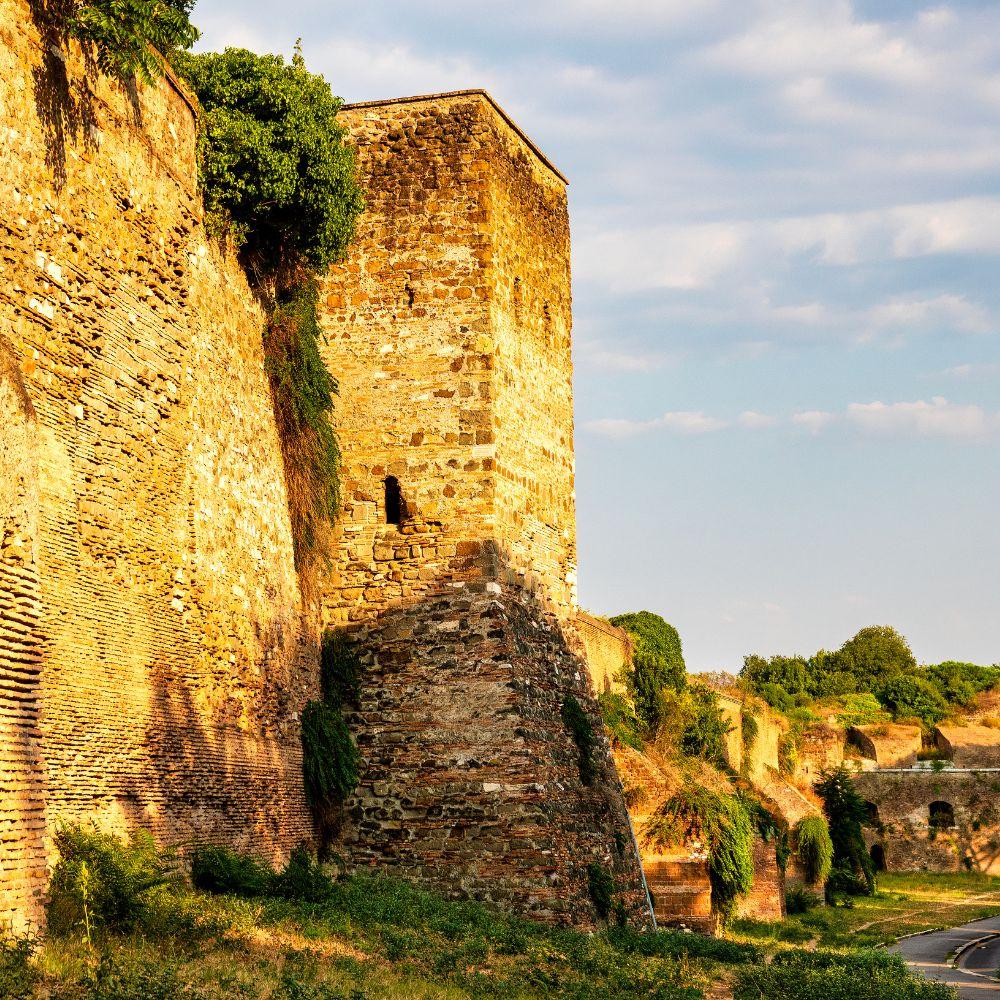
Exploring the Aurelian Walls with expert guidance transforms scattered ruins into a coherent story. Walks Inside Rome offers curated, in depth experiences that connect the walls to ancient roads, forgotten gates, and hidden archaeological sites most visitors never notice.
With a knowledgeable guide, the walls become more than bricks and towers. They become a living map of Rome's past, seamlessly woven into the modern city you're a discovering today. Discover the Aurelian Walls with Walks Inside Rome and turn this extraordinary ancient monument into a meaningful, expertly guided experience that reveals a deeper, more authentic side of the Eternal City.
Back to top


