Just steps away from Rome’s ancient center lies one of the city’s most meaningful and atmospheric neighborhoods: the Jewish Ghetto. This compact district blends ancient ruins, Renaissance palaces, beloved restaurants, and the living heartbeat of one of the world’s oldest Jewish communities.
Discover the Jewish Ghetto in Rome: From Ancient Origins to Modern Revival
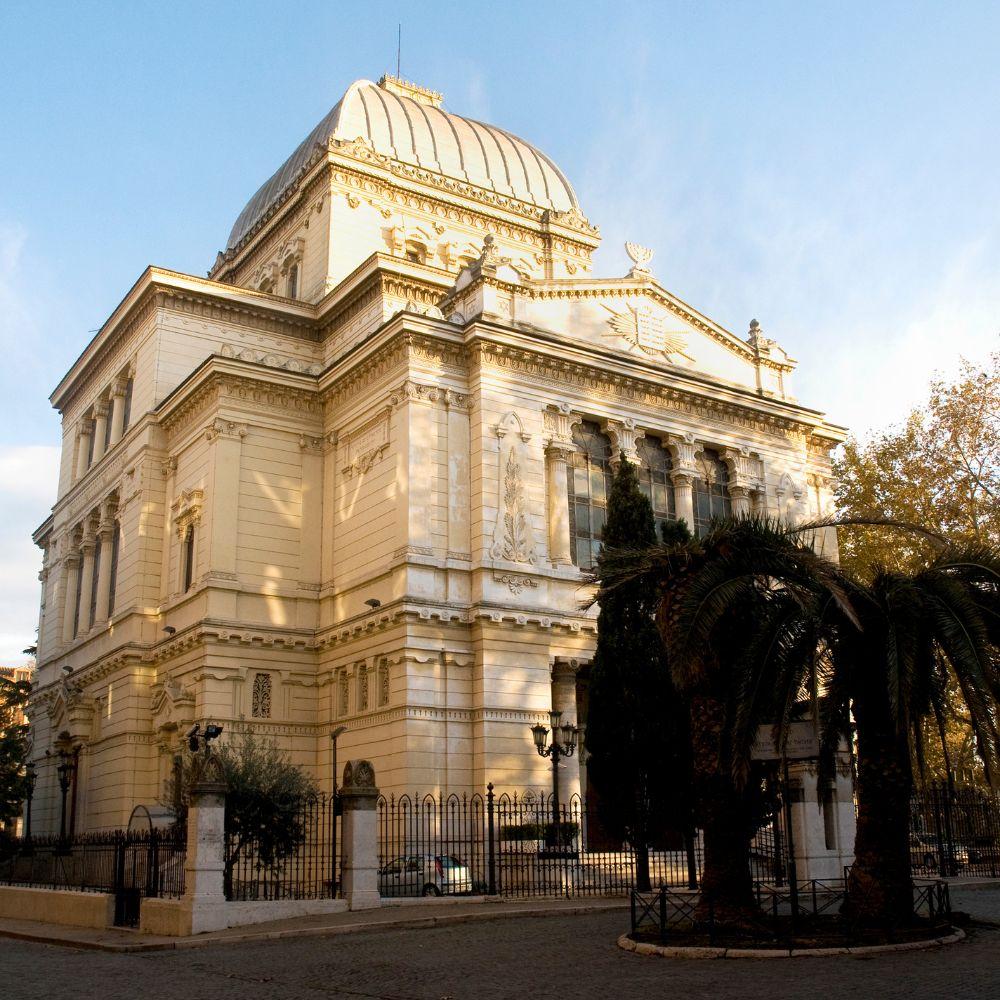
Here, history and daily Roman life intertwine, inviting visitors to explore a neighborhood where resilience, faith, and culture have shaped every stone.
In this guide, you’ll learn where the Jewish Ghetto is, which landmarks you shouldn’t miss, the best places to eat, and how to experience it through one of our expert-led walking tours. So let’s begin with a question many travelers ask: Is it worth seeing the Jewish Ghetto in Rome? (Absolutely, and here’s why.)
What Is the Jewish Ghetto in Rome?
Before you explore the area, it’s essential to understand what “ghetto” really means in the Roman context and why this neighborhood holds such emotional and cultural weight.
The name ghetto refers to a restricted district where Rome’s Jewish population was forced to live beginning in 1555, when Pope Paul IV created a walled enclosure confining Jews to this small riverside area. Locked at night and under strict limitations, life here was controlled for over three centuries.
Yet despite hardship, the community preserved its identity, cuisine, language, and traditions, many of which still define the neighborhood today. Over time, especially after its abolition in 1870, the district transformed. Today, the Jewish Ghetto is a vibrant, welcoming hub known for its historical landmarks, warm atmosphere, and unforgettable food.
Where Is the Jewish Ghetto in Rome?
The Jewish Ghetto sits in the heart of Rome’s historic center, nestled between the Tiber River and Largo di Torre Argentina, and just a short walk from Campo de’ Fiori and Piazza Venezia.
It’s bordered by:
-
Lungotevere de’ Cenci (along the Tiber River)
-
Via del Portico d’Ottavia (its lively central street)
-
Teatro Marcello and the Capitoline Hill nearby
Because it’s so close to other iconic areas, many visitors wonder: Is Trastevere the same as the Jewish Ghetto? The answer is no, they’re distinct neighborhoods separated by the river, though they’re often paired together in walking tours because of their cultural richness and proximity. Trastevere lies just across Tiber Island, making it an easy continuation of your visit.
Whether you’re coming from Campo de’ Fiori, Piazza Navona, or the Capitoline Museums, the Jewish Ghetto is never more than a 10-minute walk away.
What to See in the Jewish Ghetto
This compact area is dense with history. Monuments, archaeological ruins, and cultural institutions sit side by side, offering a fascinating blend of ancient Rome and modern Jewish heritage.
The Great Synagogue of Rome
Dominating the skyline with its unique square dome, the Great Synagogue (Tempio Maggiore) is the spiritual and architectural heart of the community. Built in the early 1900s after the Ghetto’s abolition, it symbolizes the community’s freedom and resilience.
Inside, you’ll find vivid Art Nouveau decor, beautiful mosaics, and the Jewish Museum of Rome, which preserves centuries of manuscripts, ritual objects, textiles, and personal stories.
Portico d’Ottavia
At the entrance to the Ghetto stands the Portico d’Ottavia, once part of a monumental Roman complex dedicated in 27 BC. Centuries later, its columns and arches blended into medieval homes and fish markets, becoming one of the most atmospheric corners of the district.
Today, it remains a striking reminder of how deeply ancient Rome is woven into everyday life here.
Fountain of the Turtles (Fontana delle Tartarughe)
A short stroll to Piazza Mattei brings you to one of Rome’s most charming fountains. This Renaissance masterpiece features graceful young figures helping small turtles climb into the basin — a whimsical contrast to the solemnity of nearby historical sites.
Tiber Island (Isola Tiberina)
Connected by pedestrian bridges, this tiny island is one of Rome’s treasures. Visit the ancient Fatebenefratelli Hospital, the medieval church of San Bartolomeo, or simply enjoy a peaceful walk overlooking the river before crossing into lively Trastevere.
Jewish Museum of Rome
Right inside the Great Synagogue, the museum offers essential historical context to understand Rome’s Jewish community, from ancient inscriptions to modern stories of survival. It’s an unmissable stop for those who want a deeper cultural and emotional connection to the neighborhood.
Food and Restaurants in the Jewish Ghetto
No visit to the Jewish Ghetto is complete without tasting Roman-Jewish cuisine, celebrated worldwide for its bold flavors and deep-rooted traditions.
Local specialties include:
-
Carciofi alla giudia — deep-fried artichokes, crispy and golden
-
Fried zucchini flowers stuffed with anchovies and mozzarella
-
Baccalà fritto — Roman-style fried cod
-
Endives and pumpkin stews, matzah dishes, and rich desserts from traditional bakeries
Here are some beloved restaurants to experience authentic flavors:
• Nonna Betta – Famous for its carciofi alla giudia; a cozy, warm, and traditional spot.
• Ba’Ghetto – A popular kosher restaurant with Roman-Jewish classics and Middle Eastern touches.
• Yotvata – Dairy kosher restaurant known for fresh pasta, fish dishes, and outdoor seating.
• La Taverna del Ghetto – Elegant kosher menu and a beautifully set dining atmosphere.
• Ba’Ghetto – A popular kosher restaurant with Roman-Jewish classics and Middle Eastern touches.
• Yotvata – Dairy kosher restaurant known for fresh pasta, fish dishes, and outdoor seating.
• La Taverna del Ghetto – Elegant kosher menu and a beautifully set dining atmosphere.
Whether you’re seeking a full kosher meal or simply want to try the neighborhood’s iconic dishes, this area is a paradise for food lovers.
Atmosphere and Daily Life
Walking through the Jewish Ghetto feels like stepping into an intimate, living museum. Cobblestone lanes, artisan shops, bakeries, and small piazzas create a welcoming, village-like charm in the heart of Rome’s bustling center.
Throughout the district, you’ll notice Stolpersteine, small brass plaques in front of doorways. These poignant markers commemorate Jewish residents who were deported during World War II, offering silent reminders of lives interrupted.
Visitors often ask: Is the Jewish Ghetto in Rome safe? Absolutely. It’s one of the safest, most welcoming areas in central Rome, lively by day, peaceful by night, and full of locals going about their daily routines.
When Did the Jewish Ghetto in Rome End?
The Ghetto was officially abolished in 1870, when Rome became part of unified Italy. Its walls were demolished, restrictions lifted, and the community once again became free to live throughout the city.
However, the area endured further tragedy during the Nazi occupation of 1943, when over 1,000 Roman Jews were deported. Only a handful returned. Today, memorials and plaques preserve their memory, while the continued vibrancy of the neighborhood honors their legacy.
How to Visit the Jewish Ghetto
The neighborhood is compact, walkable, and best explored on foot, perfect for a leisurely morning or afternoon.
Best times to visit
Spring and autumn offer ideal weather, but the Ghetto is enjoyable year-round. Mornings are calm, afternoons lively, and evenings filled with restaurant life.
Suggested routes
Combine your visit with:
-
Trastevere (cross via Tiber Island)
-
Campo de’ Fiori and Piazza Navona
-
The Capitoline Hill and Teatro Marcello
For transportation, tram Line 8, several bus routes, or simply walking from central landmarks make access easy.
Explore the Jewish Ghetto with Walks Inside Rome
To truly understand this neighborhood, its ancient origins, moving stories, cuisine, and everyday life, nothing compares to exploring it with an expert local guide.
Walks Inside Rome offers immersive tours through the Jewish Ghetto, Trastevere, and Ancient Rome, connecting the district’s layered history with its vibrant modern culture. Our licensed guides bring centuries of stories to life, revealing hidden corners, personal histories, and the flavors that define Roman-Jewish cuisine.
Explore our Jewish Ghetto and Trastevere tours with Walks Inside Rome and experience the neighborhood as locals do: with insight, emotion, and authenticity.
Conclusion
The Jewish Ghetto is one of Rome’s most meaningful and character-filled districts, a place where ancient ruins meet living tradition, where tragedy and triumph coexist, and where unforgettable food and culture await around every corner.
For travelers seeking to explore beyond the Colosseum and Vatican, the Jewish Ghetto offers a deeper, more intimate perspective on Rome’s history and heart. We invite you to discover it with us, and to let its stories, flavors, and people enrich your journey through the Eternal City.
Back to top


