Rome is not frozen in one moment of the past. It is a living, breathing timeline that stretches across more than 2,700 years of continuous history. This is exactly why so many visitors, especially first time travelers from the United States, find themselves asking the same questions: when did Rome actually begin? When did it end? Why does ancient Rome still feel so present today?
Roman History Timeline
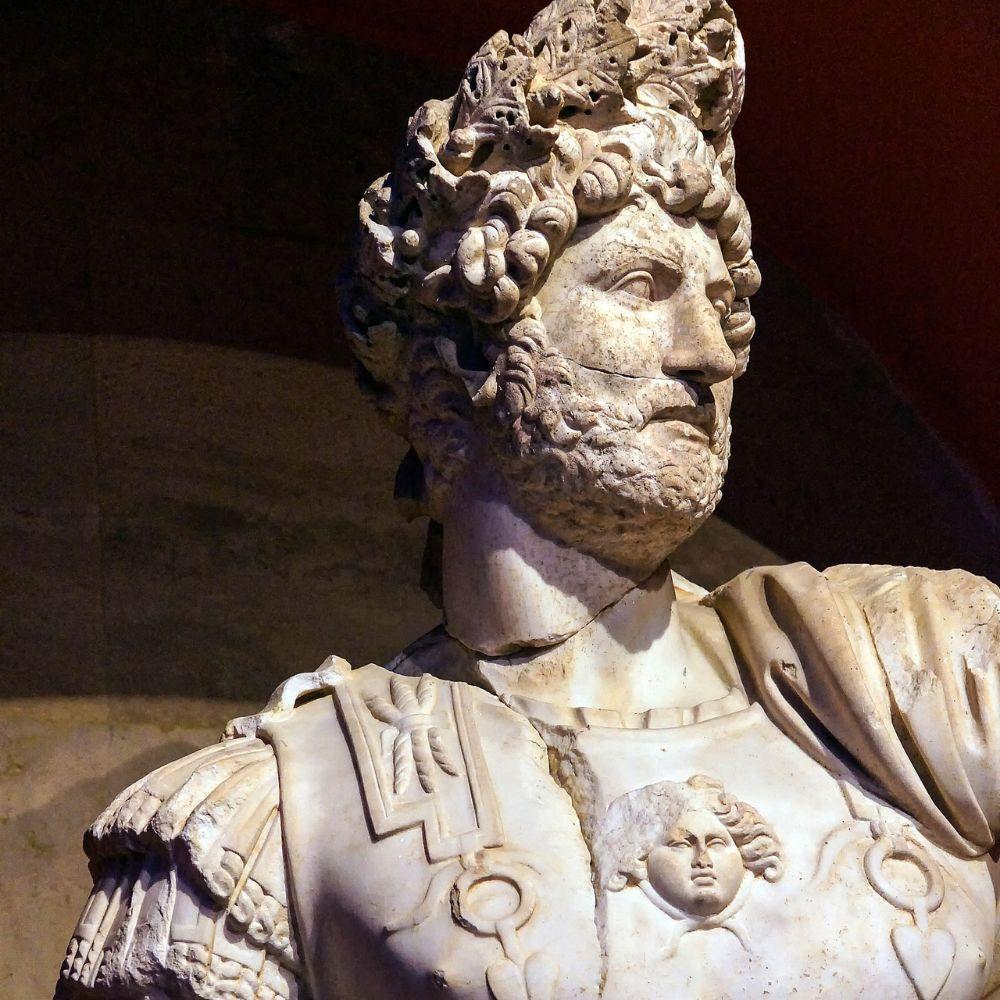
The truth is simple and fascinating. Rome's history is long, layered, and remarkably continuous. Unlike many ancient civilizations, Rome never truly disappeared. Every step you take through the city crosses multiple historical periods at once, often within the same piazza or monument. Once you understand the Roman history timeline, ruins stop being piles of stone and start telling clear, compelling stories.
In this guide, we will walk step by step through Rome's major historical eras in chronological order, always connecting each period to real places you can still experience today.
Roman History Timeline at a Glance (735 BC - Present)
Before diving deeper, here is a clear overview of the main periods of Roman history. Use this as your quick reference as you explore the city. Rome did not evolve in a straight line. Instead, each era built directly on what came before, leaving visible traces that still shape the modern city.
Main periods of the Roman history timeline
- Regal period: 753 to 509 BC
- Roman Republic: 509 to 27 BC
- Roman Empire: 27 BC to 476 AD
- Late Antiquity, and the fall of the Western Roman Empire: 3rd to 5th century AD
- Medieval, Renaissance, and Baroque Rome
- Rome today as a continuous historical city
Keep this framework in mind. As you walk through Rome, you are often standing in several of those periods at the same time.
The Origins of Rome: Myth, Kings, and Early Settlements (753 to 509 BC)
Rome's story begins with a blend of legend and archaeology, and understanding both is key to appreciating the city's earliest phase. For American visitors especially, this is often where the timeline feels most mysterious.
According to Roman myth, the city was founded in 753 BC by Romulus after he and his twein brother Remus were raised by a she wolf. While the story is symbolic rather than literal history, it reveals how Romans understood their own identity, proud, resilient, and destined for greatness.
Archaeology tells us that early Rome was not a single planned city, but a cluster of small settlements scattered across the famous seven hills. Over time, these villages merged into a more organized urban center. During this Regal Period, powerful neighbors known as the Etruscans played a crucial role in shaping Rome's early urban planning, religious practices, and political structure.
Where to See the Earliest Rome Today
The amazing part is that traces of this primordial city are still visibile:
- Palatine Hill as the legendary birthplace of Rome
- The deepest layers of the Roman Forum
This foundational era estabilished Rome's political traditions, religious customs, and urban layout. Everything that followed, from the Republic to the Empire, grew from these early roots.
The Roman Republic: Power, Expansions, and Internal Confilict (509 to 27 BC)
When Romans expelled their last king in 509 BC, they did not create a democracy in the modern American sense. Instead, they built a complex republican system dominated by elite families, an important distinction that helps visitors better understand the Roman Republic timeline.
The Republic was governed by elected magistrates and the powerful Senate, but political influence remained concentrated among Rome's aristocracy. Over the centuries, social tensions between wealthy patricians and ordinary plebians shaped much of Rome's internal politics.
At the same time, Rome was expanding at an astonishing pace. What began as a regional power in central Italy grew into the dominant force across the Mediterranean world.
Key Developments of the Roman Republic
- Massive military conquests across Italy and beyond
- Growing wealth flowing into Rome
- Increasing political instability and civil conflict
- Rising power of ambitious generals
By the first century BC, the Republican system was under enormous strain. Civil wars, political rivalries, and competing military strongmen pushed Rome toward a breaking point.
Where the Republic sill lives in Rome
Today, the Roman Forum remains the clearest physical expression of Republican Rome. As you walk through the area, you are surrounded by the temples, basilicas, and public spaces where Rome's political drama once unfolded.
Understanding this phase answers many common visitor questions, including the Roman history timeline in order and the timeline of Roman conquests, because this was the era when Rome truly became a Mediterranean superpower.
3:00 hours
Private
Colosseum & Ancient Rome | Private
Discover the secrets of the Colosseum, the amphitheater that could hold up to 60,000 people, before entering the Roman Forum - the beating heart of ancient Rome.
Starting from € 467,00 for two
View moreThe End of the Republic and the Rise of Imperial Rome (1st Century BC)
The transition from Republic to Empire is one of the most dramatic turning points in the entire history of Rome, and it is often misunderstood.
The Republican system did not collapse overnight. Instaed, decades of civil war weakened traditional institutions. At the center of this turmoil stood Julius Caesar, whose military success and political ambition alarmed many senators. His assassination in 44 BC meant to save the Republic, but it had the opposite effect.
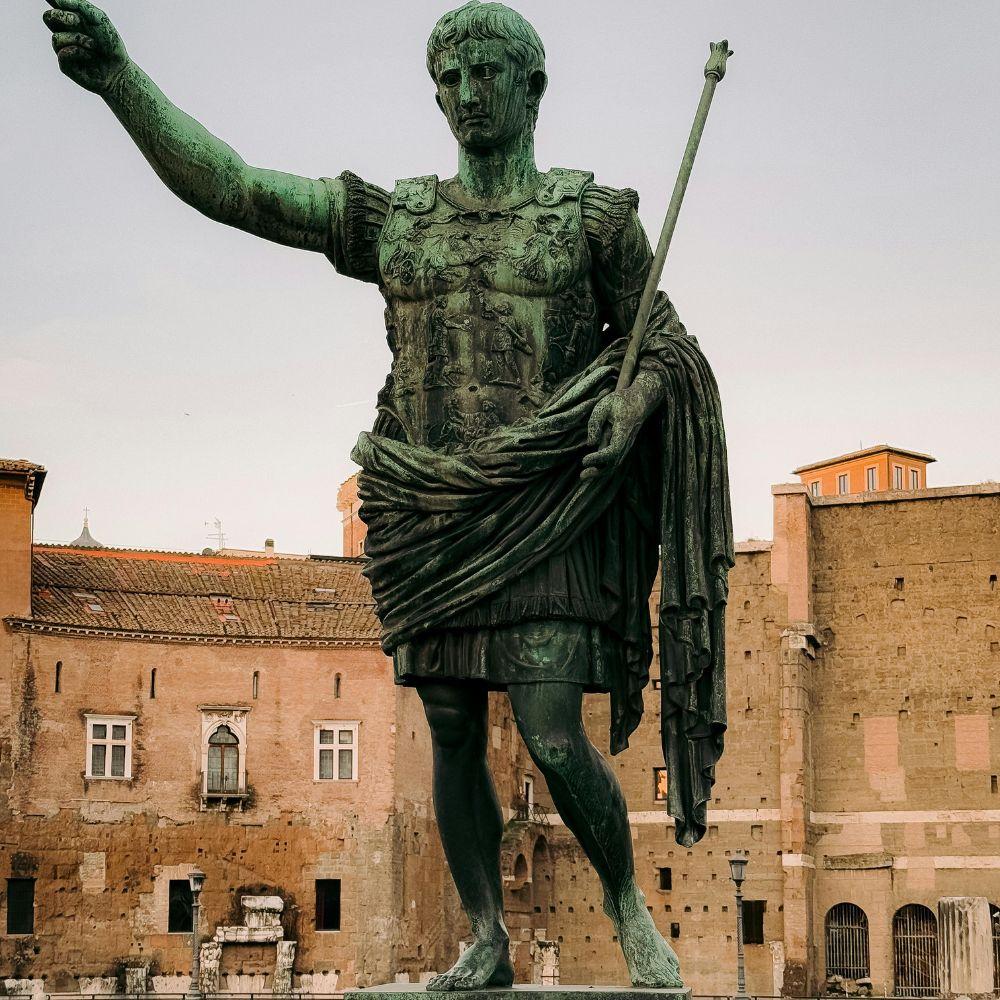
Out of the chaos emerged Augustus, Rome's first emperor. Rather than openly declaring a monarchy, Augustus cleverly preserved Republican forms while concentrating real power in hid own hands. This political innovation marked the true beginning of Imperial Rome.
Just as importantly, Augustus transformed the city itself. Through ambitious building programs and urban planning, he used architecture to comunicate stability, prosperity, and imperial authority. Many of the monuments visitors admire today were born from this pivotal moment.
The Roman Empire at its Height: Pax Romana and Monumental Rome 827 BC to 2nd Century AD)
Under the early emperors, Rome entered the Pax Romana, a long period of relative peace and stability that allowed the empire to flourish. By the second century AD, Rome had become the largest and most sphisticated city in the ancient world, home to more than one milion inhabitans.
This was the age of monumental Rome, the era most travelers picture when they imagine ancient Rome. Engineering, urban planning, and daily life reached extraordinary levels of complexity.
What Made imperial Rome extraordinary
• Vast road networks connecting three continents
• Advanced aqueduct systems supplying fresh water
• Massive public entertainment venues
• Sophisticated urban infrastructure
• A truly global imperial economy
• Advanced aqueduct systems supplying fresh water
• Massive public entertainment venues
• Sophisticated urban infrastructure
• A truly global imperial economy
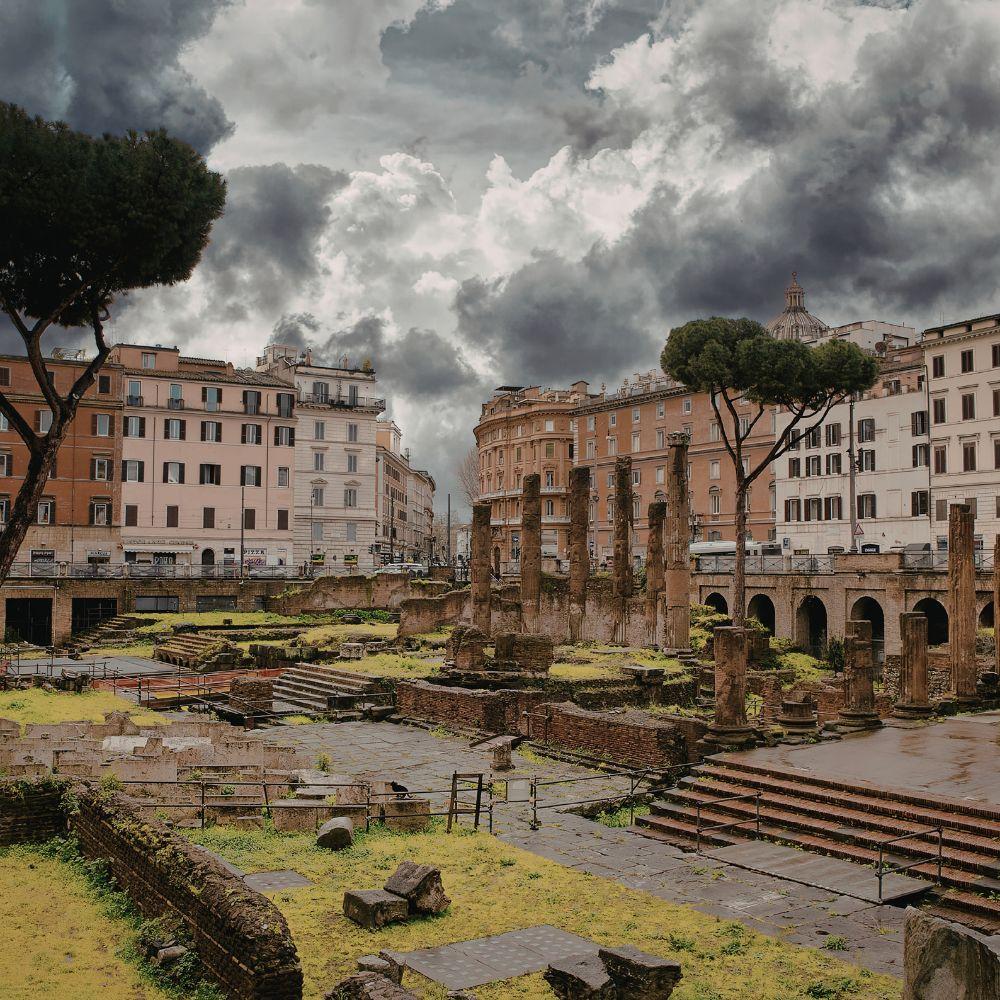
Landmarks That Still Define Rome
Many of the city’s most iconic sites come from this golden age.
Walking through these spaces today can feel overwhelming, because the scale is still so impressive. This is exactly where expert on site interpretation makes the difference. With the right storytelling, the stones around you suddenly reveal the rhythms of daily life in Imperial Rome.
Crisis, Christianity, and the Fall of the Western Roman Empire (3rd to 5th Century AD)
One of the biggest misconceptions among visitors is the idea that Rome fell suddenly in a single dramatic moment. In reality, the process was gradual and complex.
Beginning in the third century AD, the Empire faced mounting challenges. Political instability, economic pressure, military threats along the borders, and administrative difficulties all contibuted to a long period of transformation.
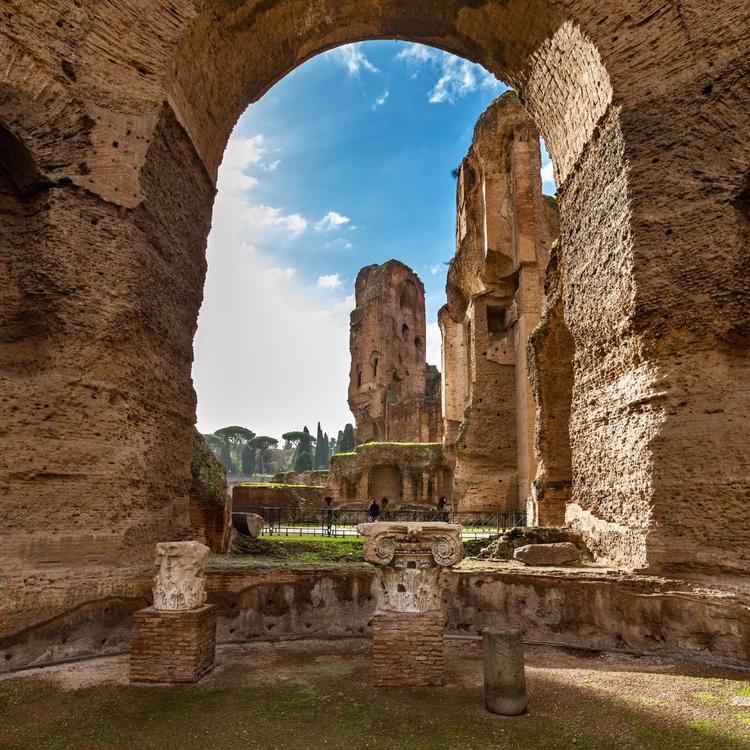
At the same time, Christianity was reshaping Rome's identity. What began as a persecuted minority faith eventually became the empire's dominant religion, dramatically altering the city's urban landscape.
3:00 hours
Private
Appian Way & Catacombs Tour | Private
They say all roads lead to Rome, but the Appian Way was the most trodden road out. Journey this real ancient gem with us today, lined with countless tombs, monuments, and catacombs.
Starting from € 805,00 for two
View moreWhen Did the Romans Start and End
Rome traditionally begins in 753 BC. The Western Roman Empire officially ended in 476 AD, when the last western emperor was deposed. However, the city of Rome itself never stopped evolving.
Physical Traces You Can Still Visit
• Early Christian churches across the historic center
• The catacombs
• Ancient temples converted into churches
• Reused imperial buildings
• The catacombs
• Ancient temples converted into churches
• Reused imperial buildings
Rather than disappearing, Rome was adapting to a new world.
After the Empire: Why Rome Never Disappeared (5th Century Ad and Beyond)
What makes Rome truly unique is continuity. While the Western Empire ended, the city remained continuously inhabited, evolving through the Medieval, Renaissance and Baroque periods.
This layered development is why Rome feels different from other ancient capitals. In many places, ruins stand isolated from modern life. In Rome, history is woven directly into the living city.
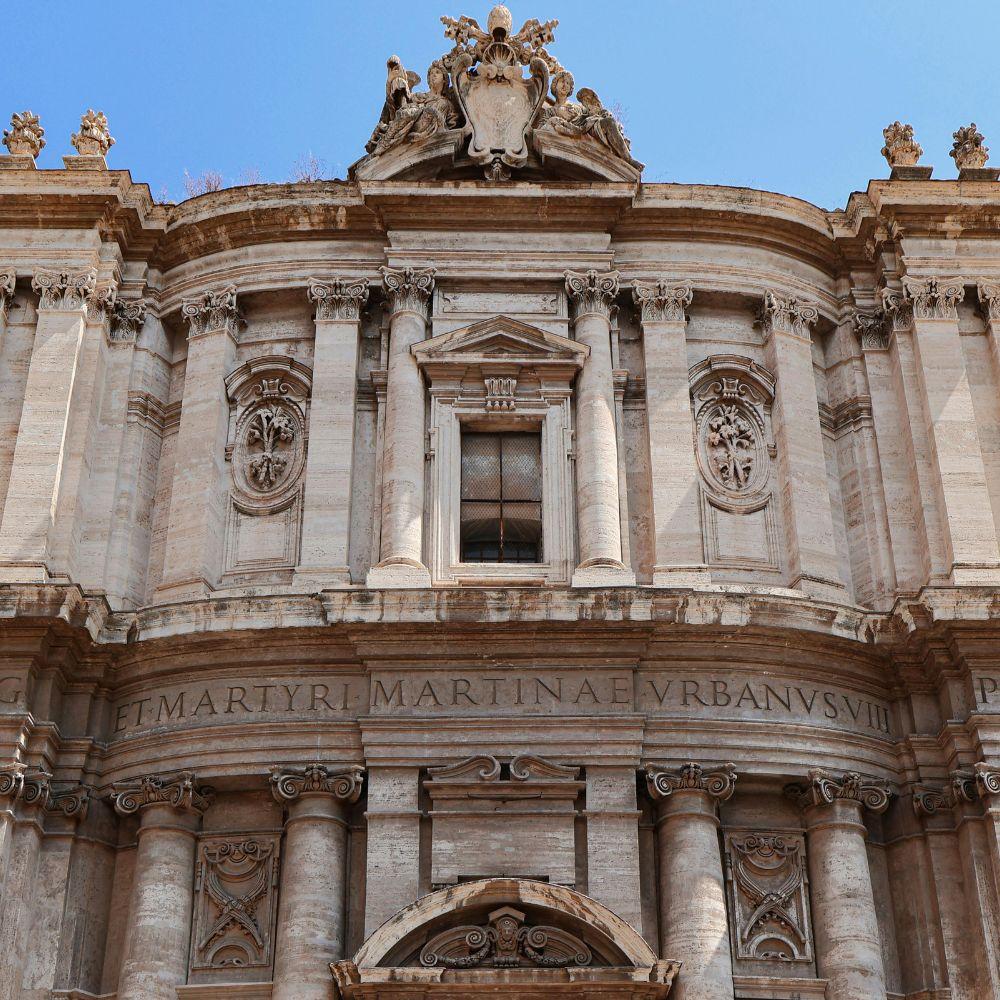
You might exit an ancient Roman temple and immediately find yourself in a Renaissance piazza. You might stand in a baroque church built directly on top of a Roman house. This uninterrupted occupation is the secret behind Rome's powerful atmosphere.
For travelers, it means that every visit to Rome is also a journey through time.
How This Timeline Helps You Plan Your Visit to Rome
Understanding the Roman history timeline does something powerful. It transforms sightseeing into meaningful exploration.
When you know the sequence of events, you can:
• Prioritize the sites that interest you most
• Recognize what you are actually looking at
• Build itineraries around historical themes
• Connect monuments to the people who built them
• Experience Rome as a coherent story
• Recognize what you are actually looking at
• Build itineraries around historical themes
• Connect monuments to the people who built them
• Experience Rome as a coherent story
Guided experiences become especially valuable in a city as layered as Rome. Moving through the city chronologically, with expert interpretation connecting dates, events, and physical spaces, allows you to experience the Eternal City the way historians and archaeologists understand it.
Rome is not a museum frozen in the past. It is a living timeline written in stone, brick, and marble. The most rewarding way to discover it is to walk its streets with those who study, interpret, and share its history every single day.
Back to top


