Spring is when Rome feels most like itself. The city shakes off winter, stretches its days with soft light, and invites you to experience history, food, and daily life at pace that feels natural an deeply rewarding. From a local guide's perspective, this is the season when itineraries change, walks last longer, and Rome reveals its most balanced version.
Rome in Spring Travel Guide
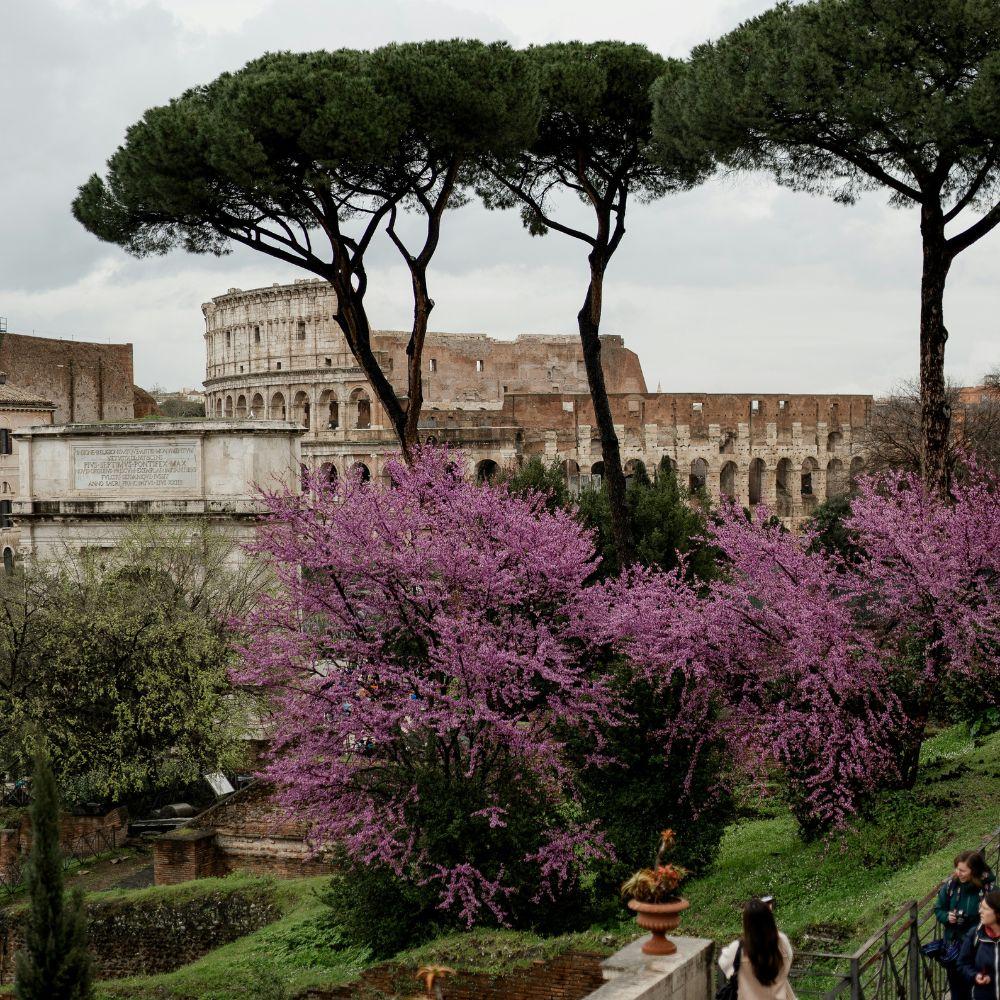
For first-time visitors, spring offers clarity and comfort. For returning travelers, it brings a familiar city with a renewed soul. Either way, spring shows Rome at its very best.
Why Spring is One of the Best Times to Visit Rome
Spring delivers the Rome many travelers imagine before they arrive. The air is fresh, the city feels alive but not overwhelming, and outdoor life becomes central again. Longer daylight hours allow you to explore without rushing, while mild temperatures make sightseeing genuinely enjoyable.
This is also when Rome transitions from survival mode to social mode. Cafés spill onto piazzas, gardens reopen, and evenings stretch into aperitivo hours. As guides, this is the season when routes slow down slightly and experiences feel more immersive, because Rome finally invites you to linger.
Mild Weather and Comfortable Sightseeing
Spring temperatures are ideal for walking-focused days. Exploring archaeological sites, climbing hills, or spending hours in museums feels pleasant rather than exhausting. The city's scale becomes easier to navigate, especially for travelers who plan to see Rome primarly on foot.
A Lively City Without Peak Summer Heat
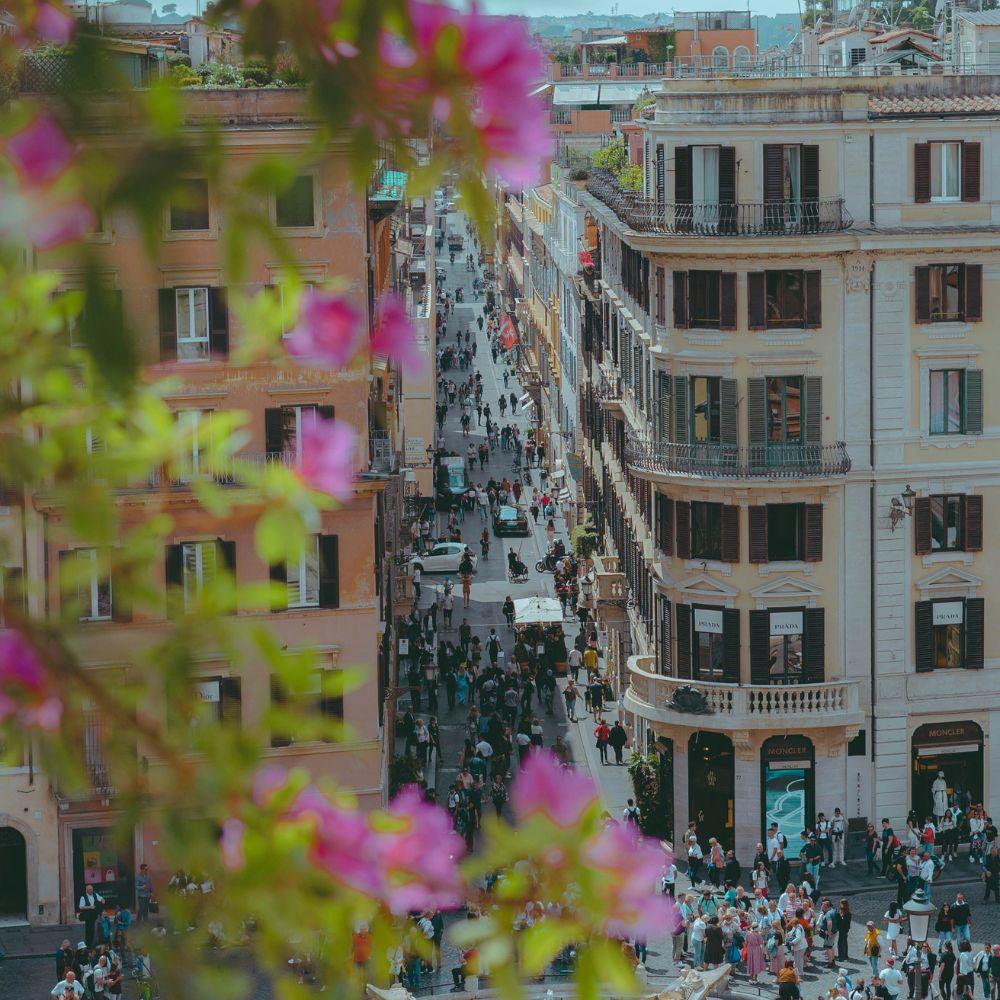
Rome comes alive again in spring, but without the intensity of summer heat. Neighborhoods feel social, streets feel animated, and evenings are designed for being outside. You experience Rome's energy without fighting extreme temperatures.
The Best Season for First-Time Visitors
Spring is forgiving. If it's your first time in Rome, the city's size, crowds, and pace can be intimidating. Mild weather and manageable visitor numbers make it easier to explore confidently and enjoy the experience rather than simply endure it.
Rome's Spring Weather: Month by Month
Understanding how spring unfolds helps you plan smarter and travel more comfortably, without needing to obsess over numbers or forecasts.
March in Rome: Early Spring and Fewer Crowds
March is transitional. Days begin to lengthen, temperatures slowly rise, and crowds remain relatively light. It's an excellent choice for travelers who value calm exploration and quiet moments at major landmarks. Occasional rain is possibile, and layering is essential, but March rewards visitor with space, atmosphere, and a more introspective Rome.
April in Rome: True Spring and Easter Season
April feels like Rome waking up fully. Flowers appear, evenings soften, and outdoor life resumes. Temperatures are mild and days feel noticeably longer.
Easter can bring increased crowds and higher demand, but outside the holiday period, April offers a beautiful balance between energy and comfort. This is when Rome truly feels alive again.
May in Rome: The Ideal Balance
May is often considered the best month to visit Rome. Warm but not hot weather, gardens in full bloom, and long, bright days make it perfect for walking tours, food experiences, and day trips.
Everything feels open, social, and inviting. From a guide's perspective, May allows the city to be explored deeply and comfortably.
Early June: The Transition Toward Summer
Early June still carries a spring-like feel, though crowds and temperatures begin to rise. It remains a good option for travelers who enjoy lively cities and extended daylight but prefer to avoid peak summer heat.
For a deeper look at seasonal trends, you can explore Rome Monthly Temperatures.
What Makes Spring in Rome Unique
Beyond weather and logistics, spring in Rome is defined by atmosphere. The city feels lighter, greener, and more generous with its time and space.
Rome's Gardens and Green Spaces in Bloom
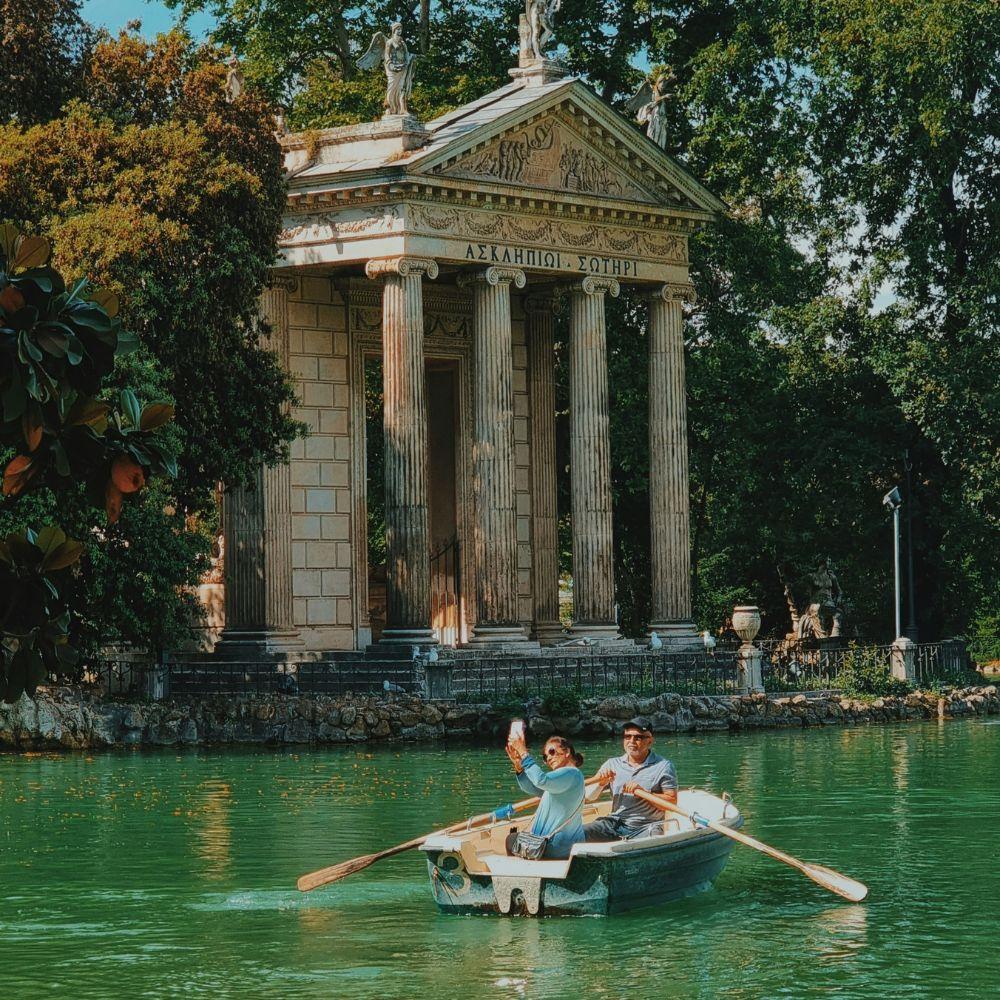
Spring transforms Rome's parks into destinations of their own. Villa Borghese becomes a central escape for walks and picnics. The Orange Garden on the Aventine Hill offers peaceful views, while the Rose Garden near Circus Maximus opens seasonally with spectacular blooms.
These spaces remind travelers that Rome is not only monuments, but also quiet corners designed for living.
Walking the Appian Way in Spring
Spring is one of the best times to explore the Appian Way. Comfortable temperatures and lush scenary turn this ancient road into a living landscape. Walking here in spring feels immersive, connecting history with nature in a way few seasons allow.
You can learn more in The Appian Way: A Complete Ovierview.
Outdoor Dining and Evening Life Returns
As spring settles in, Rome's terraces fill agaim. Aperitivo culture returns to piazzas, neighborhood restaurants extend their hours, and evenings become social rituals rather than logistical challenges. Dining outdoors becomes part of the travel experience, not an occasional treat.
Easter in Rome: What Spring Travelers Need to Know
Easter is one of the most imporant periods in Rome, culturally and logistically. Understanding it's impact helps you plan with confidence.
Why Easter is So Important in Rome
As the center of the Catholic world, Rome experiences Easter on a different scale. Religious ceremonies, traditions, and global attention converge, shaping the rhythm of the city for an entire week.
Key Easter Events to be Aware Of
Here's some key events of the Easter Period:
- Palm Sunday: marks the beginning of Holy Week, and sets the tone for the days ahead. In Rome, it includes a large papal Mass in St. Peter's Square, drawing thousands of pilgrims. Streets around the Vatican become noticeably busier, and security measures are often in place. While the atmosphere is solemn, it's also visually striking and culturally significant, offering visitors a glimpse into Rome's spiritual identity.
- Good Friday: one of the most important days of the year. In the evening, the Via Crucis, or Way of the Cross, take place at the Colosseum, led by the Pope. This event involves extensive closures, restricted access to surrounding areas, and heavy crowds throughout the afternoon and evening. Even if you don't plan to attend, it's important to schedule sightseeing carefully, as traffic patterns and public transport are affected.
- Easter Sunday Mass: Celebrated in St. Peter's Square and represents the spiritual peak of the week. The Pope's presence draws international visitors and worshippers, and the entire Vatican area becomes extremely crowded from early morning. Museums and shops may operate on reduced schedules, and reservations become essential for anything planned that day.
- Ester Monday: Known in Italy as Pasquetta, is very different. Romans traditionally leave the city to spend the day outdoors with friend and family. Many local businesses close, while parks, countryside destinations, and nearby towns fill up. For visitors, the city center can feel quieter, but transportation out of Rome is often busy, and planning ahead is key.
How Easter Affects Travel Planning
During Easter week, visitor numbers increase, prices rise, and some sites operate on altered schedules. Advance planning becomes essential, especially for major attractions and guided experiences.
For detailed guidance, see Rome During Easter: Everuthing You Need to Know.
Top Things to Do in Rome in Spring
Spring turns classic sightseeing into comfortable, memorable experiences.
Explore Archaeological Sites in Mild Weather
Spring is ideal for open-air sites like the Colosseum, Roman Forum, Palatine Hill, and the Baths of Carcalla. Walking these vast spaces feels enjoyable rather than draining, allowing you to absorb history without rushing.
Visit the Vatican and Vatican Museums Strategically
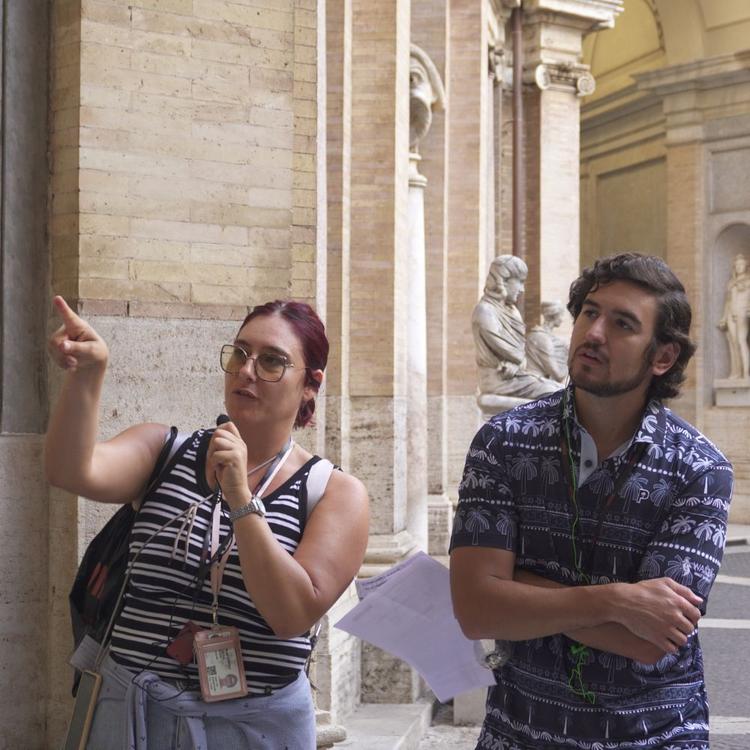
Spring is busy manageable at the Vatican. Early morning visits, late afternoon entries, and guided tours help navigate crowds efficiently. The season rewards thoughtful timing rather than avoidance.
4:00 hours
Private
Starting from € 632,00 for two
View moreEnjoy Neighborhood Walks and Local Life
Neighborhoods like Trastevere, Monti, the Jewish Quarter, and Testaccio shine in spring. Streets feel social, markets are active, and walking becomes the best way to understand daily Roman life.
Taste Seasonal Roman Food
Spring brings specific flavors to Roman tables. Artichokes, fava beans with pecorino, fresh strawberries, and lighter pasta dishes define the season. Food becomes seasonal again, grounding your visit in local tradition.
Major Spring Events in Rome
Spring also brings events that add energy and cultural depth to a visit. Easter celebrations dominate April, while the Rome Marathon, cultural festivals, exhibitions, concerts, and performances animate the calendar throughout the season.
Spring Day Trips from Rome
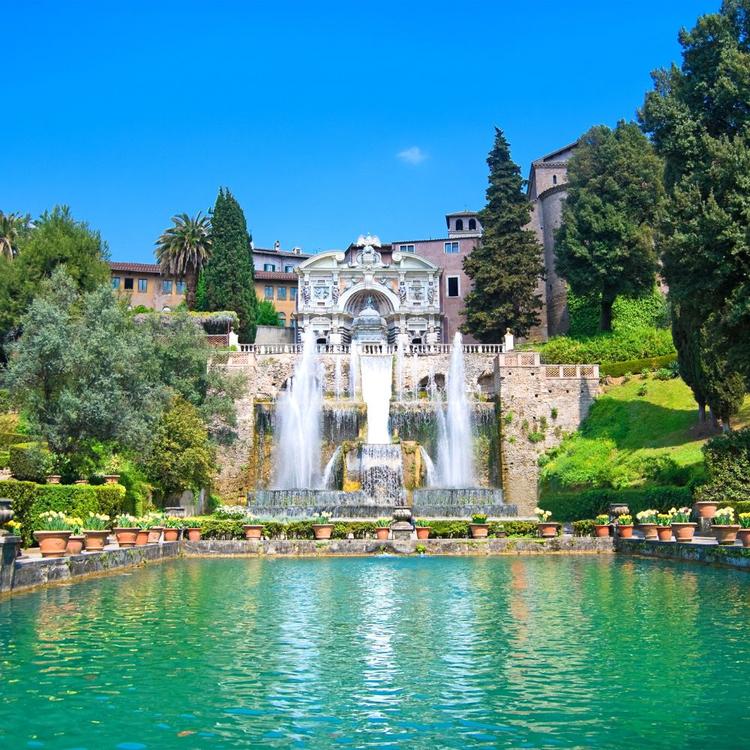
Spring expands possibilities beyond the city. Tivoli’s villas, Ostia Antica’s ruins, Castelli Romani’s countryside, Lake Bracciano, and the aqueduct parks south of Rome all benefit from mild weather and blooming landscapes.
These escapes feel easy and refreshing in spring, without the summer crowds.
8:00 hours
Private
Starting from € 1650,00 for two
View moreWhat to Pack for Rome in Spring
Packing smart enhances comfort. Light layers adapt to changing temperatures. Comfortable walking shoes are essential. A light jacket or rain protection helps in early spring, while sunglasses and sun protection become important by May.
How to Avoid Crowds in Rome During Spring
Crowds exist, but they are manageable with the right approach.
Timing Your Visits
Early mornings and late afternoons offer quieter access to major sites and better light for exploration.
Booking in Advance
Advance reservations matter for the Vatican, Colosseum, and popular guided experiences. Skip-the-line options and structured visits help maximize time and reduce stress.
Exploring Beyond the Main Sights
Walking quieter neighborhoods and choosing secondary attractions reveals a calmer, more authentic Rome, especially in spring.
Is Spring a Busy Time to Visit Rome
Spring is active but nuanced. March remains relatively quiet. April varies depending on Easter. May sees higher numbers but feels controlled rather than overwhelming. Understanding these differences allows you to plan with realistic expectations.
Why Spring Shows Rome at Its Best
Spring presents Rome in full balance. History feels accessible, culture feels alive, food feels seasonal, and outdoor life becomes part of everyday exploration. The city invites you to slow down just enough to notice details, rhythms, and stories that define Rome beyond its monuments.
This is the season when guided experiences naturally elevate a visit, not by force, but by alignment with the city itself. To experience Rome in spring at its fullest, timing, context, and guidance truly matter. This is the season when the city rewards those who know how to read it, where to slow down, and when to move with intention. Walks Inside Rome was born from this local understanding, designing experiences that align naturally with Rome’s rhythm, especially during its most beautiful months.
Back to top


