In the early morning, Rome feels almost suspended. We walk through empty piazzas while café owners lift their shutters, the sound of cups and saucers echoing softly under centuries old façades. The winter light is gentler, lower, turning marble warmer and shadows longer. Museums open without crowds pressing at the doors, and the city reveals itself slowly, confidently, to those willing to meet it on its own terms.
Experience Rome in its Quietest Season
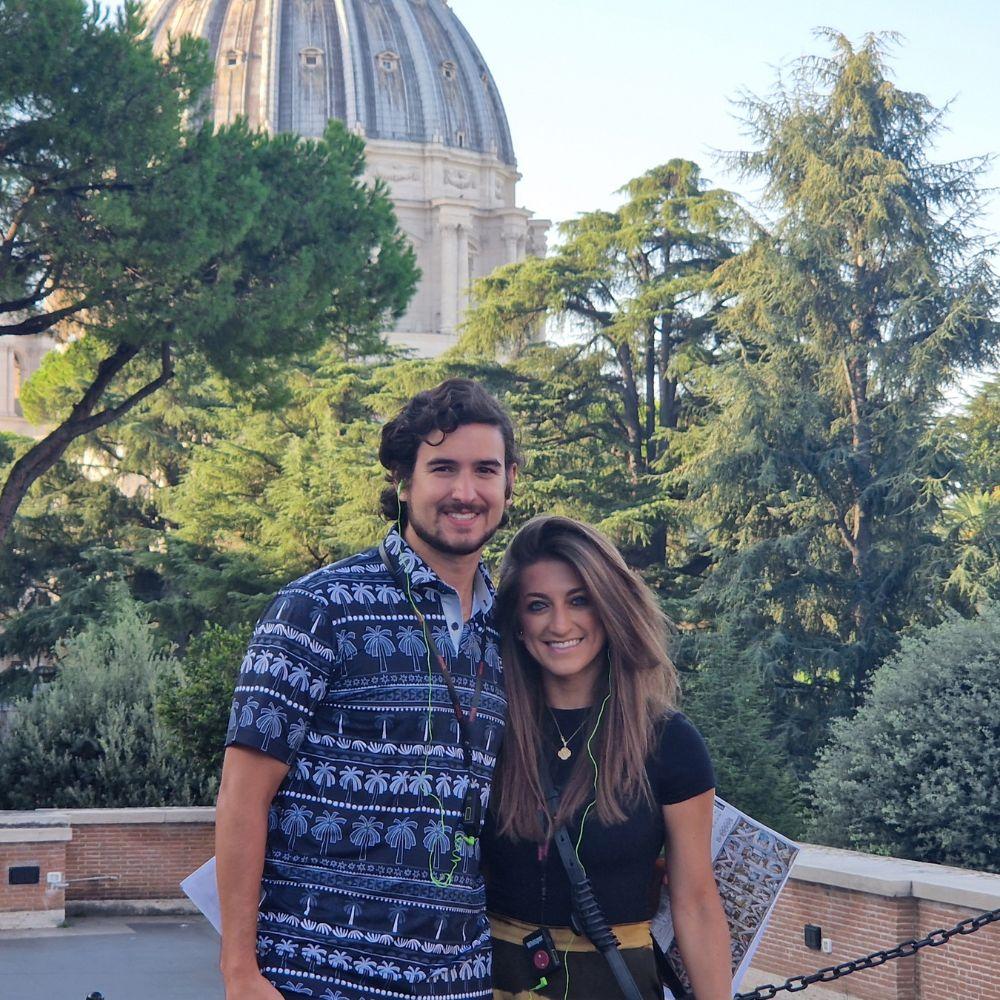
This is what the quiet season in Rome feels like. Not a compromise, but a privilege. Visiting Rome when the city slows down allows space for understanding, connection, and presence. As local guides, we often say that this is when Rome speaks most clearly.
Traveling in the off season means embracing a slower rhythm, deeper access to sites, and more authentic encounters with daily Roman life. It is less about checking boxes and more about experiencing the city as it truly is.
When is Rome at its quietest?
Rome's quietest season typically runs from late November through February, excluding the Christmas and New Year holiday period. This window offers a noticeably different experience, both in pace and atmosphere.
Late fall, especially from mid November to early December, brings cooler temperatures and fewer visitors. The city is calm but lively, with museums, restaurants and neighborhoods fully active.
Deep winter, January to February, is when Rome is at its most tranquil. Crowds thin dramatically, lines shorten, and locals reclaim their city. This is when we most clearly feel the shift from tourist Rome to lived in Rome.
The holiday period, from Christmas to early January, is the main exception. Festivities, religious events, and vacation travel temporarily bring back, especially around the Vatican. Outside of these weeks, the city settles again into its quieter rhythm.
Common concerns about winter travel are understandable, but usually unfounded. Rome's winter are mild compared to much of Europe, daylight is sufficient for full days of exploration, and the vast majority of sites remain open year round.
What Changes in the City During the Low Season
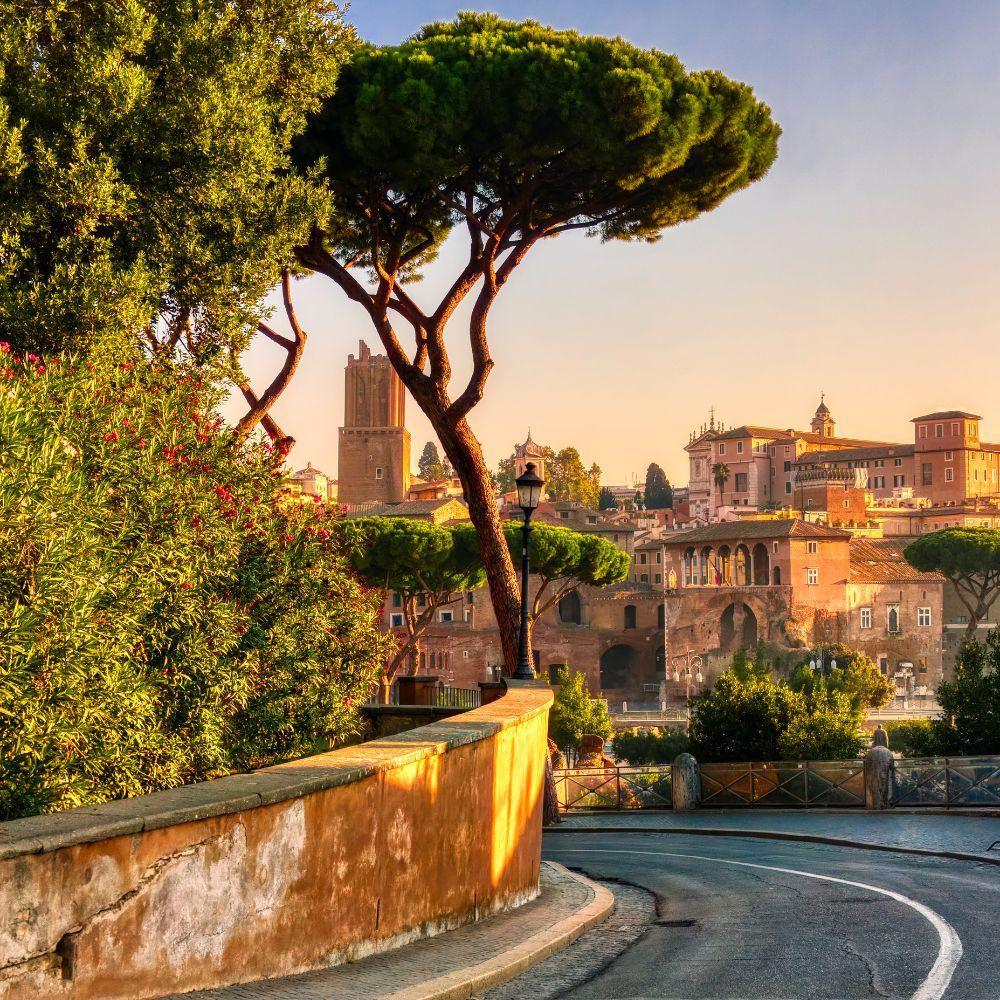
The biggest change is not what you can see, but how the city feels. Rome breaths differently in winter. Major landmarks become easier to access, but more importantly, they become easier to experience. Without the constant flow of large tour groups, there is time to pause, ask questions and absorb details,
Neighborhoods shift into a more local rhythm. Romans linger over coffee, shopkeepers chat, and daily life unfolds without performance. As guides, we notice how conversations deepen, how spaces feel more personal, and how visitors engage more openly with the city.
Timing also matters more in winter. Museum feel serene in the late morning, churches are quieter in the early afternoon, and evening walks take on an intimate, reflective quality that summer rarely allows.
Visiting Rome's Icons Whitout the Crowds
Experiencing Rome's most famous site during the quiet season changes the quality of the visit entirely.
- At the Vatican Museum: the absence of dense crowds allows time to notice artistic details that are often rushed past.
- At the Colosseum and Roman Forum: space and silence can restore a sense of scale and history
- At Pantheon: especially on a winter morning it feels almost timeless. Whitout the constant movement of high season, its architecture and light speak for themselves.
In these months, guided visits become particularly powerful. With fewer external pressures, we can adapt pacing, follow curiosity, and focus on context and storytelling. When the city is calmer, its stories come forward more clearly.
Neighborhoods That Shine in the Quiet Season
Some of Rome's most rewarding moments in winter happen away from the major monuments. Neigborhoods like Trastevere, Jewish Ghetto, and Monti reveal their true character when tourism slows.
Walking through Trastevere in winter means quiet streets, neighborhoods cafés filled with locals, and small artisan shops open without fanfare. In the Jewish Ghetto, the rhythm of daily life and long standing culinary traditions feel more accessible and personal. Monti offers a mix of historic atmoshpere and contemporary Roman life, best discovered by wandering without a fixed plan.
This is Rome as a lived in city, not a backdrop. Winter invites unplanned discoveries, conversations, and moments that stay with you long after the trip ends.
Seasonal Food, Culture and Daily Life
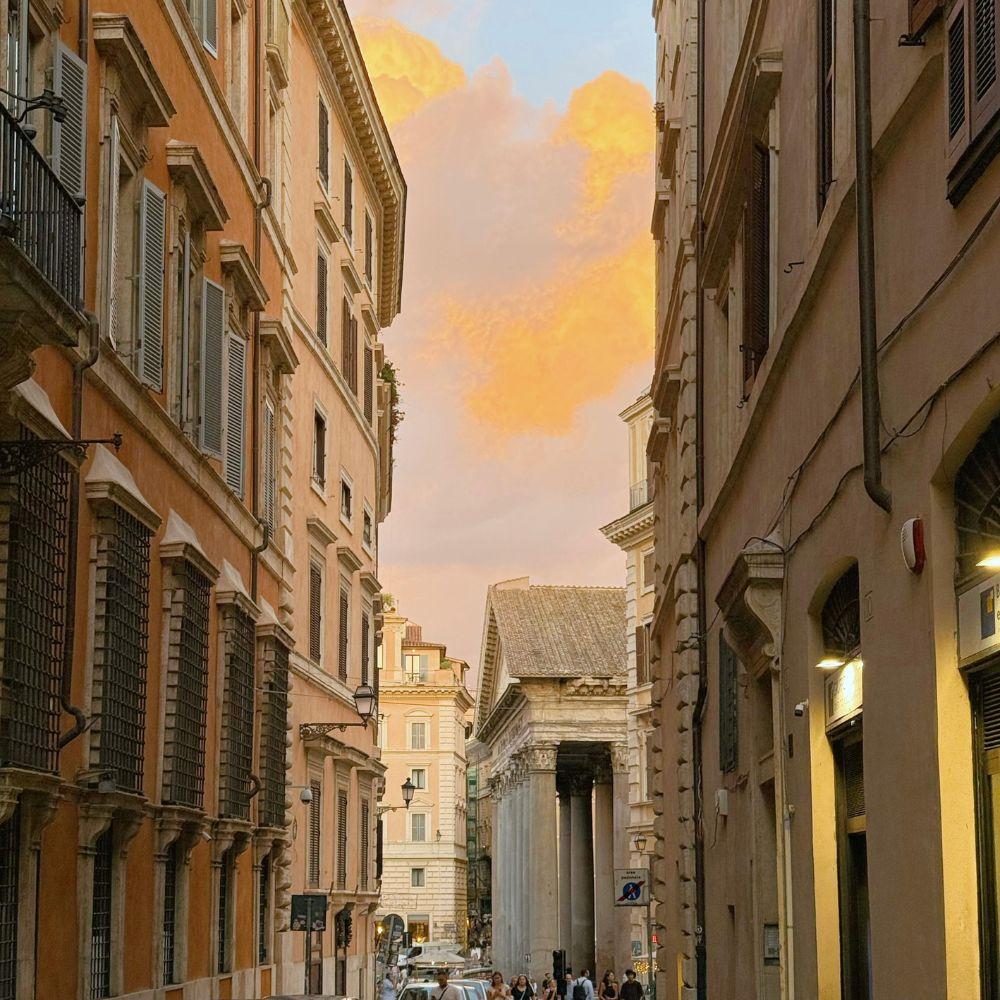
Winter in Rome is a season of comfort and depth, especially at the table. Roman cuisine turns heartier, with dishes designed to be shared slowly. Trattorias feel warmer, more intimate, and meals stretch into the evening.
Cultural habits shift as well. Romans spend more time indoors, conversations last longer, and evenings begin earlier. This creates ideal conditions for food focused and cultural experiences that feel shared rather than staged.
As guides, we often find that winter guests engage more deeply with Roman food traditions, asking questions, tasting thoughtfully, and appreciating the connection between season, history, and daily life.
Practical Planning tips for Visiting Rome off Season
A few thoughtfully choice make winter travel in Rome especially smooth.
- Pack layers rather than eavy outerwear, temperatures are cool but rarely extreme;
- Plan outdoor visits earlier in the day, and reserve museums and churches for late afternoon;
- Check museum hours in advance, as some sites close slightly earlier in winter;
- Allow time for spontaneous stops, cafés, galleries, and neighborhood walks become part of the experience.
Rome remains fully functional year round, and with fewer crowds, logistics often feel easier rather than harder.
Why the Quiet Season is Ideal for Guided Experiences
Winter offers flexibility that is hard to find at other times of year, We often find that tours flow more naturally, questions come more freely, and itineraries adapt organically to the group's interests.
With fewer visitors competing for space, guided experiences gain depth. Pacing improves, interactions become more personal, and the city feels less like a checklist and more like a conversation.
At Walks Inside Rome, we experience this different daily. The quiet season allows us to share Rome not just as a destination, but as a place we live and understand deeply.
Conclusion: who quiet Rome is for
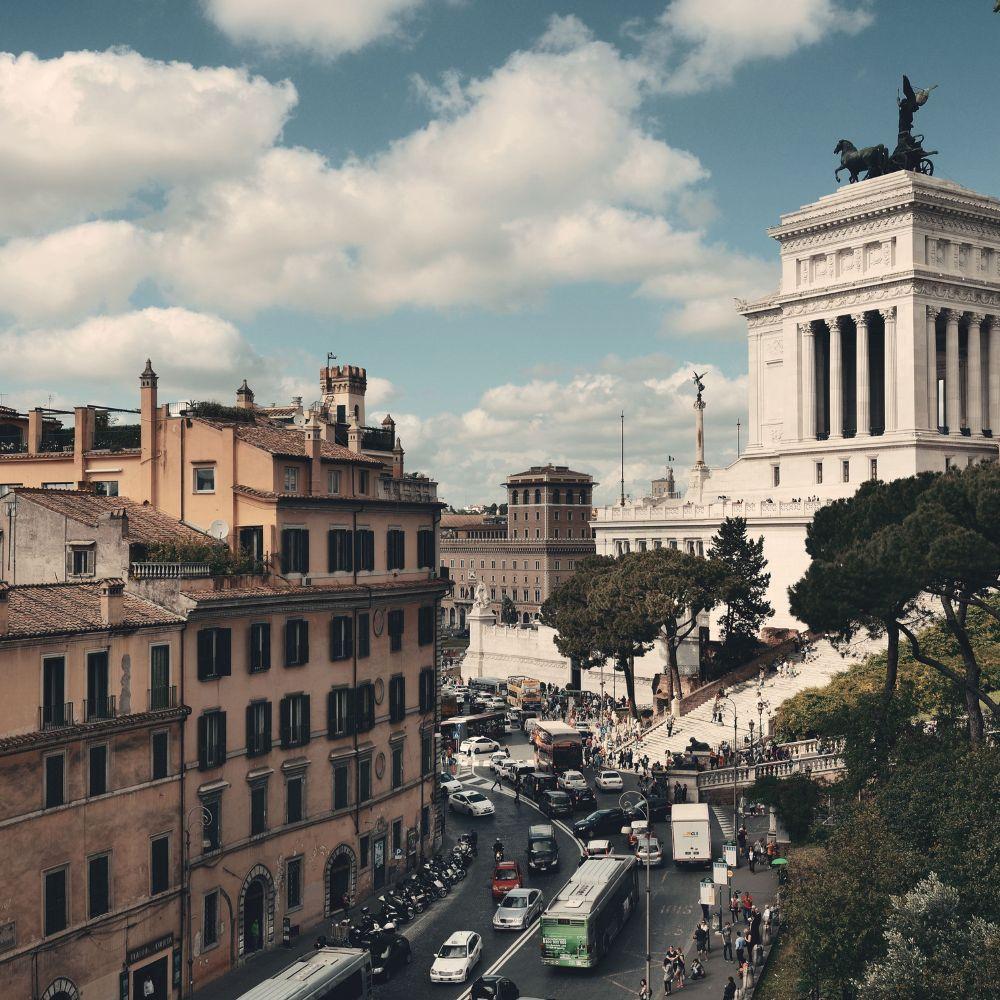
Rome in its quitest season is ideal for travelers who value connection over crowds, understanding over speed, and atmosphere over spectacle. It suits those who want to feel the city, not just see it.
The reward is a Rome that feels open, generous, and present. A Rome that invites you to slow down, look closer and engage more deeply.
If this kind of experience resonates, we would love to share the city with you, thoughtfully and authentically, as guides who walk its street every day and know its quieter side by heart.
Back to top


