Rome is a city where food is woven into everyday life, not something reserved for special occasions or fine dining rooms. Walking through its neighborhoods, from lively piazzas to quiet backstreets , you quickly realize that eating well is part of the rhythm of the city and one of the reasons travelers fall in love with.
Traditional Roman Dishes: Top 10 Roman Foods
Traditional Roman cuisine reflects centuries of history, built on simple preparations, bold flavors, and a deep respect for local ingredients. This guide is designed to help travelers confidently choose what to eat in Rome, whether you are reading a menu for the first time or planning meals around iconic dishes. One question comes up again and again when planning a trip: what is famous to eat in Rome? Before diving into the list, it helps to understand the foundations of Roman cooking.
What are the Four Dishes of Rome?
When people talk about classic Roman food, they are often referring to the city's famous pasta canon. These four dishes form the backbone of Roman cuisine and appear on menus across the city, from humble trattorias to family-run osterie.
Carbonara, Amatriciana, Cacio e Pepe, and Gricia are built on just a few ingredients, yet each one delivers a distinct personality. The differences come from technique, balance, and the quality of staples like pecorino romano, guanciale, and black pepper. Knowing these four dishes gives travelers an immediate sense of confidence when ordering, and a deeper appreciation of how Roman food turns simplicity into something unforgettable.
Top 10 Traditional Roman Dishes
Below is a curated selection of the most iconic Roman dishes you are likely to encounter during your stay. Each one tells a story about the city, its people, and its culinary traditions.
Cacio e Pepe
Few dishes capture the soul of Rome quite like Cacio e Pepe. Born as a shepherd's meal, it relies on pantry staples that traveled well, pasta, pecorino romano cheese, and black pepper.
What makes it unique is the creamy sauce created without cream, using only cheese, pasta water, and a technique. You will most often see it served with tonnarelli or spaghetti, especially at lunch or dinner in traditional trattorias. For visitors, it is one of the purest expressions of Roman cooking and a dish that rewards simplicity done well.
Carbonara
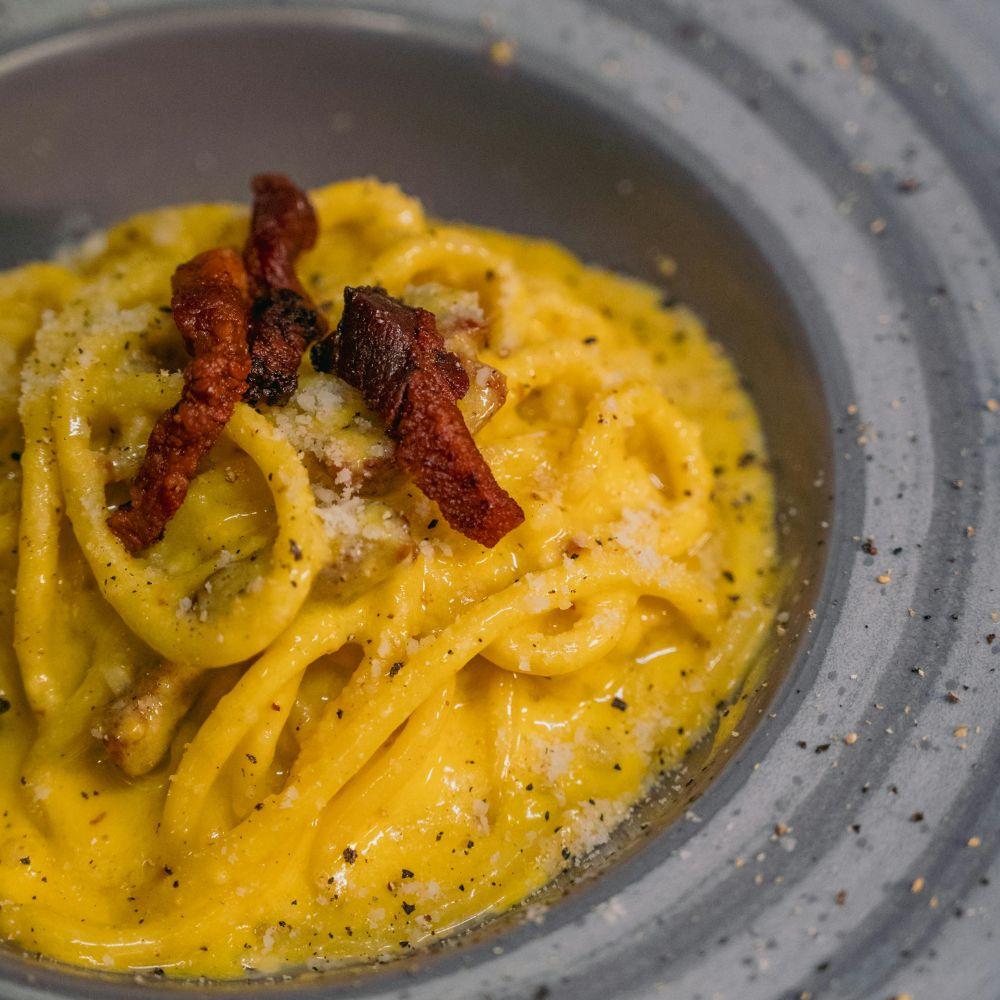
Carbonara is arguably Rome's most famous pasta, though it is often misunderstood abroad. Its origins are debated, but its Roman identity in unquestionable.
The authentic version uses eggs, pecorino romano, guanciale, and black pepper, with no cream involved. Riche yet balanced, it is typically enjoyed as a main course during lunch or dinner. Travelers will find it on almost every Roman menu, but the best versions are usually served in neighborhood osterie where tradition is taken seriously.
Gricia
Often described as the ancestor of both Carbonara and Amatriciana, Gricia is a cornerstone of Roman pasta culture. It comes from the town of Grisciano and predates the arrival of tomatoes in Italy.
Made with guanciale, pecorino romano, and black pepper, it offers a savory, intense flavor profile. Visitors are most likely to encounter Gricia in traditional trattorias, especially those proud of their culinary roots. It is an excellent choice for travelers who want to explore beyond the most famous classics.
Amatriciana
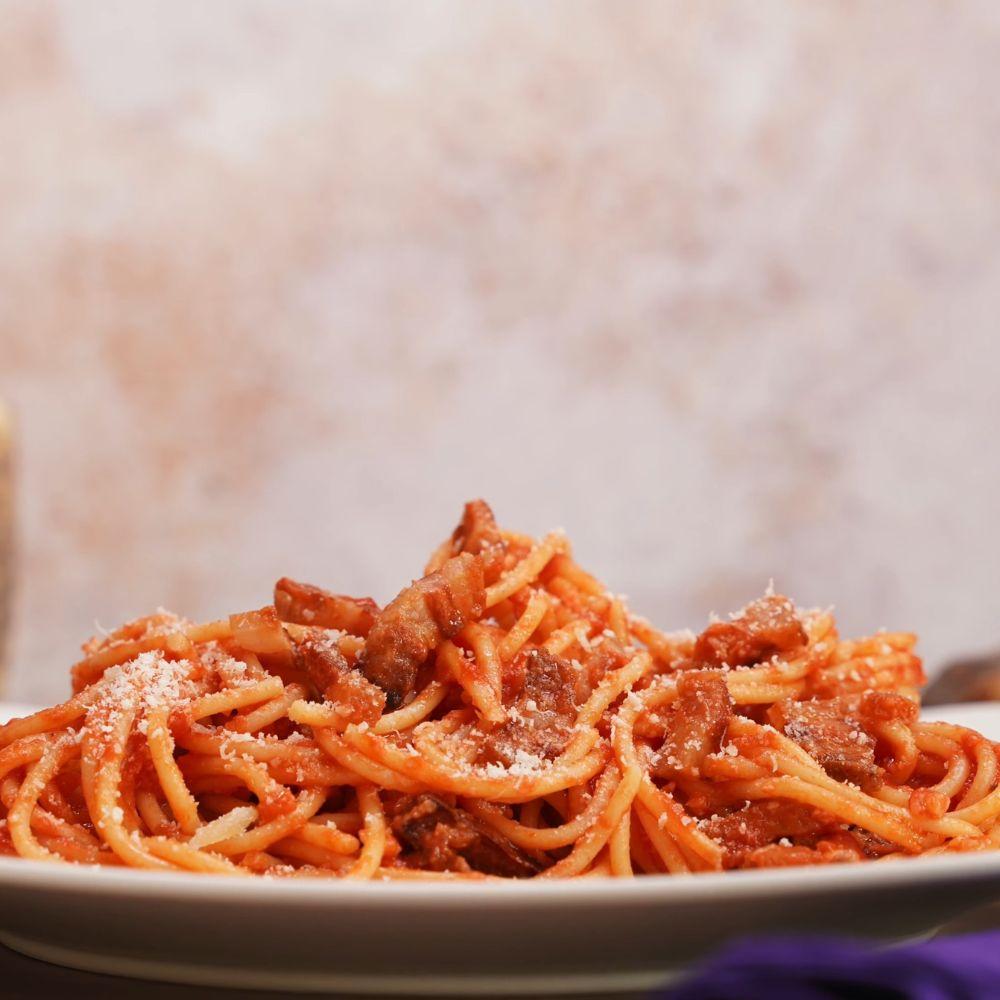
Amatriciana adds tomatoes to the base of Gricia, creating one of Rome's most beloved sauces. Originating from Amatrice, it has become a staple of Roman cuisine.
The combination of guanciale, tomato sauce, pecorino romano, and chili creates a bold yet comforting dish. You will often see it served with bucatini or rigatoni, particularly at lunch. For many travelers, this is the perfect balance between familiarity and local tradition.
Saltimbocca alla Romana
Saltimbocca alla Romana is a classic second course that highlights Roman meat cookery. Thin slices of veal are topped with prosciutto and sage, than cooked quickly in white wine and butter.
The name literally means "jump in the mouth", a nod to its rich, savory flavor. Tourists are most likely to encounter it at dinner in traditional restaurants, especially those focusing on Roman classics. It is an ideal choice if you want something hearty being heavy.
Carciofi alla Giudia
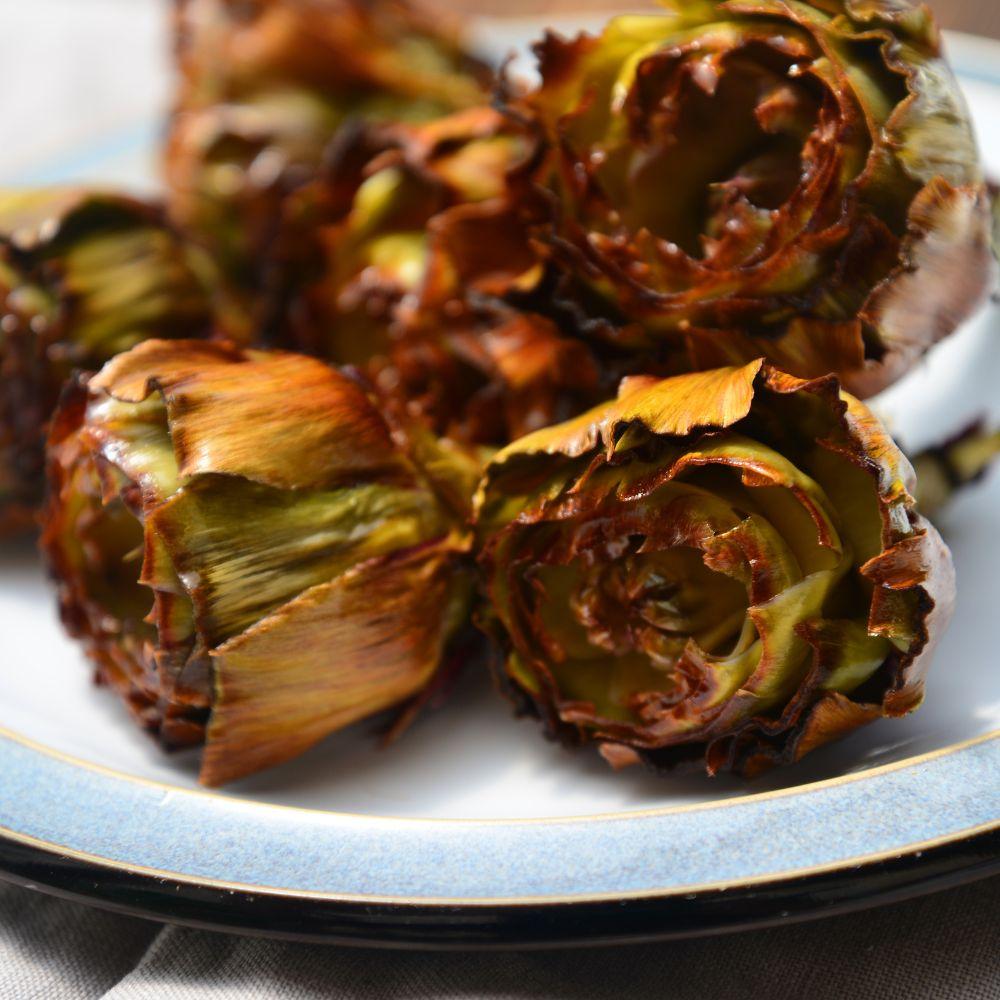
Carciofi alla Giudia are one of Rome's most distinctive dishes, rooted in the city's Jewish culinary tradition. The artichokes are flattened and fried until golden and crisp on the outside, tender inside.
They are typically enjoyed as an appetizer or side dish, espcially in spring when artichokes are in season. Travelers will most often find them in the Jewish Ghetto, where this dish has been perfected over generations.
Carciofi alla Romana
Unlike their crispy counterpart, Carciofi alla Romana are slowly braised with olive oil, garlic, and fresh herbs. The result is soft, aromatic, and deeply comforting.
This dish is most common in spring and appears as a side or antipasto in traditional Roman eatries. For visitors, it offers a gentler introduction to artichokes and a clear example of how Roman cooking values simplicity and seasonality.
Supplì
Supplì are Rome's answer to street food cravings. These fried rice balls, filled with tomato sauce and mozzarella, date back to the 19th century.
The name comes from the stretchy mozzarella inside, which resembles a telephone wire when pulled apart. Travelers will ecounter supplì in pizzerias, bakeries, and casual eateries, often as a quick snack or appetizer before pizza.

Abbacchio allo Scottadito
Abbacchio allo Scottadito is a traditional Roman lamb dish, especially popular around Ester. The lamb chops are grilled simply with olive, oilt, salt and rosemary.
The name refers to eating them so hot that you "burn your finger". Visitors will usually find this dish in classic Roman restaurants, particularly those emphasizing seasonal and celebratory cuisine.
Tonnarelli al Ragù di Coda
This rich pasta dish pairs thick tonnarelli with a slow-cooked oxtail sauce. It is inspired by Coda alla Vaccinara, one of Rome's historic working-class recipes.
Deep, savory, and comforting, it is most often served in traditional trattorias, especially in neighborhoods like Testaccio. For adventurous travelers, it offers a deeper dive into Roman culinary heritage.
Famous ancient Roman dishes and food facts
Modern Roman cuisine is very different from what people ate in ancient times, yet the connection to history is part of the city's charm. Ancient Roman food recipes often featured ingredients like spelt, legumes, honey, herbs, and fermented sauces such as garum.
Ancient Roman food names and food facts can sound exotic today, but may ideas survive in spirit. The emphasis on seasonal produce, simple preparations, and communal meals remains central. For students or curious travelers searching for ancient Roman food recipes for school, it is fascinating to see how today's Roman dishes evolved from these early traditions, adapting to new ingredients while preserving a love for bold, honest flavors.
How to Experience Traditional Roman Food in Rome
Tasting Roman food at its best means choosing the right palces. Look for trattorias and traditional osterie filled with locals, where menus change with seasons and classics are prepared daily. Avoid restaurants with overly long menù or aggressive street promoters, which often signal tourist traps.
Neigborhoods like Testaccio, Trastevere, Monti and the Jewish Ghetto are excellent for food lovers, each offering a different perspective on Roman cuisine. Seasonal awareness matters too, with artichokes in spring and hearty dishes in cooler months. Travelers who want a deeper connection can also learn these recipes firsthand by joining a cooking class or a food tour with InRome Cooking, where classic dishes like Carbonara, Cacio e Pepe, and traditional Roman dessert are thaught step by step.
Explore Rome Through its Food with Walks Inside Rome
Experiencing Roman food becomes even richer when paired with locals stories and expert guidance. Walks Inside Rome offers curated food tours, market visits, pasta-making experiences, and neighborhood tasting that bring Roman cuisine to life.
By exploring the city through its flavors, travelers gain a deeper understanding of Rome's history, culture, and everyday traditions. It is a natural way to connect with the city beyond the sights, and to tast Rome the way locals have for generations.
Back to top


