The Uffizi Gallery is not only the most famous museum in Florence, it is also one of the most important art museums in the world. For travelers exploring Italy, stepping inside the Uffizi means walking through the very heart of the Renaissance. Few places offer such a powerful encounter with the artists who shaped Western art and culture.
Uffizi Gallery & Vasari Corridor Guide: Tips for Art Lovers
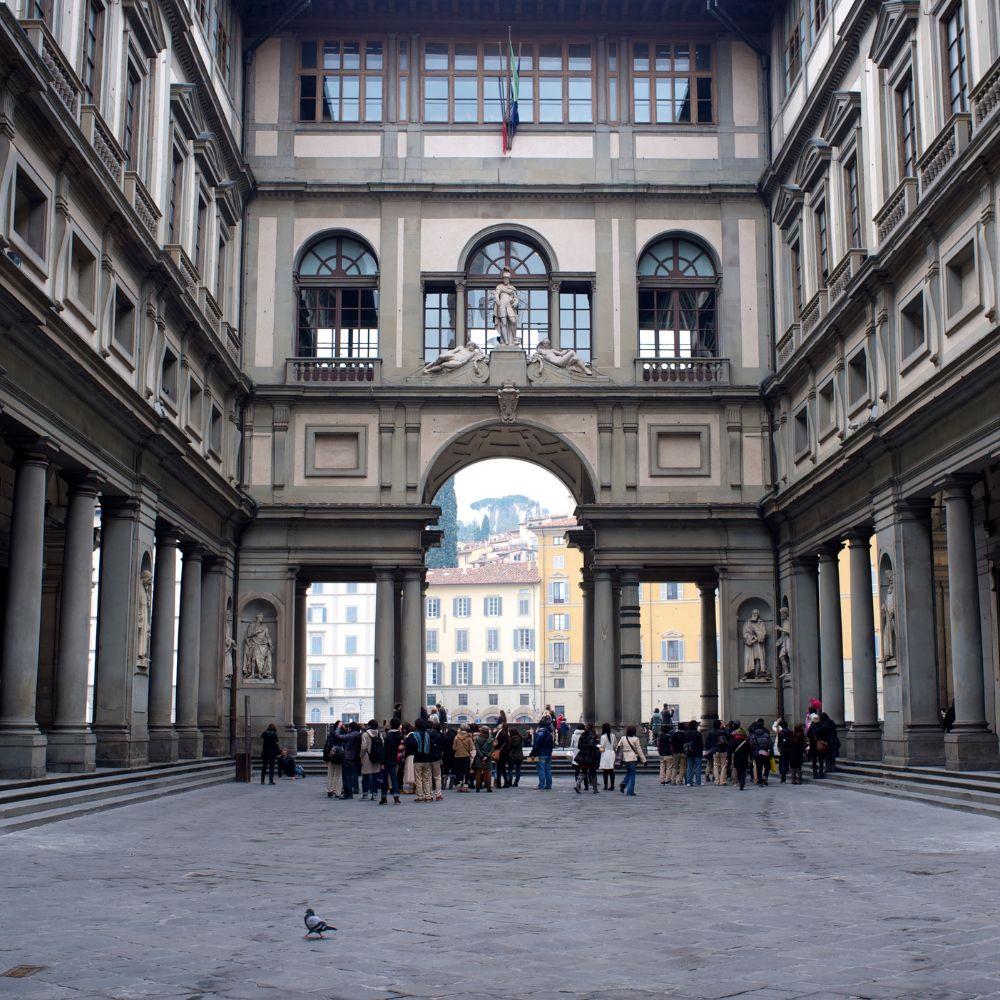
Every years millions of visitors come to Florence with one goal in mind, experiencing the masterpieces of Botticelli, Leonardo da Vinci, Michelangelo and Raphael. Planning ahead is essential, because the Uffizi is vast, popular, and filled with artistic trasures that deserve time and attention.
Many travelers begin their research with questions like how to visit the Uffizi Gallery?, what to see in the Uffizi Gallery? or how to organize their time inside one of Italy's most celebrated museums.
Understanding the History of the Uffizi Gallery and the Medici Legacy
To understand the Uffizi, you first need to understand the Medici family, the dynasty that shaped Florence politically, economically, and culturally for centuries. Their passionfort art and patronage helped fuel the Renaissance, supporting artists whose work would redefine European culture.
The building itself was commissioned in the 16th century by Cosimo I de' Medici and designed by the architect Giorgio Vasari. Originally constructed as administrative officers for Florentine magistrates, the complex was called the "Uffizi", meaning offices in italian.

From Medici Offices to One of the First Public Museums
Over time the upper floors began to house the Medici's extraordinary collection of paintings, sculptures, and antiquities. As generations passed, the collection continued to grow, reflecting the family's cultural ambition and influence.
By the eighteenth century the Uffizi had effectively become one of the first public museums in Europe, allowing visitors to experience masterpieces that had once belonged exclusively to Florence's ruling family.
Why the Medici Collected Art
Travelers curious about the history of the Uffizi Gallery or wondering who built the Uffizi quickly discover that the museum is more than a building.
The Medici collected art not simply for decoration but for influence, prestige, and cultural identity. Their patronage helped artists like Botticelli, Leonardo and Michelangelo flourish, leaving Florence with an artistic heritage that continues to attract visitors from around the world.
What to See in the Uffizi Gallery: Must see Masterpieces
Walking through the Uffizi means encountering some of the most recognizable paintings in history. The museum's collection offers a remarkable journey through the development of Renaissance art, revealing how painters gradually moved from medieval symbolism toward realism and emotional depth.
For travelers researching Uffizi Gallery highlights or the best paintings in the Uffizi Gallery, several masterpiece stand out as essential stops.
Botticelli's Birth of Venus and Primavera
One of the most famous works in the entire museum is Botticelli's Birth of Venus. The painting captures the goddess emerging from the sea on a shell, carried toward the shore by the wind.
Equally captivating is Botticelli's Primavera, an elegant allegorical scene filled with mythological figures and symbolic meaning. The painting remains one of the most celebrated images of Renaissance Florence.

Leonardo da Vinci's Early Paintings
The Uffizi also houses early works by Leonardo da Vinci, offering a rare glimbse into the development of one of history's greatest artists.
These paintings reveal Leonardo's early experiments with perspective, anatomy, and emotional expression, ideas that would later define his most famous works.
Michelangelo's Tondo Doni
Another highlight is Michelangelo's Tondo Doni, a striking circular painting depicting the Holy Family. Its sculptural figures and vivid colors reflect Michelangelo's powerful artistic vision and his deep understanding of human anatomy.
Rather than rushing through the galleries, the most rewarding approach is to explore the museum with context. Each room contributes to the story of Renaissance creativity and reveals why the Uffizi contains some of the most important must see art in Florence.
Planning Your Visit to the Uffizi Gallery
Because the Uffizi is one of the most visited museums in Italy, planning your visit carefully can make a significant difference. Travelers often ask do you need tickets for the Uffizi Gallery, how long a visit shouls take, and what the best time to visit the Uffizi Gallery might be.
With thoughtful preparation, visiting the museum becomes far more enjoyable and immersive.
Best Time of Day to Visit
During the peak travel seasons of spring and summer, the museum attracts large numbers of visitors.
Early morning visits often offer a quieter atmosphere, while later afternoon entries can also provide a more relaxed pace as crowds gradually decrease.
How Long to Spend Inside the Uffizi
The museum contains dozens of rooms and hundreds of masterpieces. Most visitors spend between two and three hours exploring the main highlights of the collection.
Allowing enough time to move slowly through the galleries helps transform the visit into a meaningful artistic experience.
Why Guided Visits Enhance the Experience
Many travelers choose to explore the museum with an expert guide. A knowledgeable guide brings the artworks to life through stories about the artists, the Medici family, and the cultural world of renaissance Florence.
Instead of simply observing paintinigs, visitors gain insight into the symbolism, rivalries, and personalities that shaped these masterpieces.

Discovering the Vasari Corridor: Florence's Secret Passage
Hidden above the streets of Florence lies one of the city's most fascinating architectural features: the Vasari Corridor.
This elevated passageway was designed in 1565 by Giorgio Vasari for the Medici family. The corridor allowed the rulers of Florence ro move safely and privately between their palaces whitout walking through the busy street.
A Hidden Path Across Florence
The corridor connects Palazzo Vecchio, Florence's historic government palace, to Palazzo Pitti, the Medici residence on the other side of the Arno River.
Stretching for nearly a kilometer, it winds through the city and even passes above the famous Ponte Vecchio, offering unique views of Florence and the Arno.
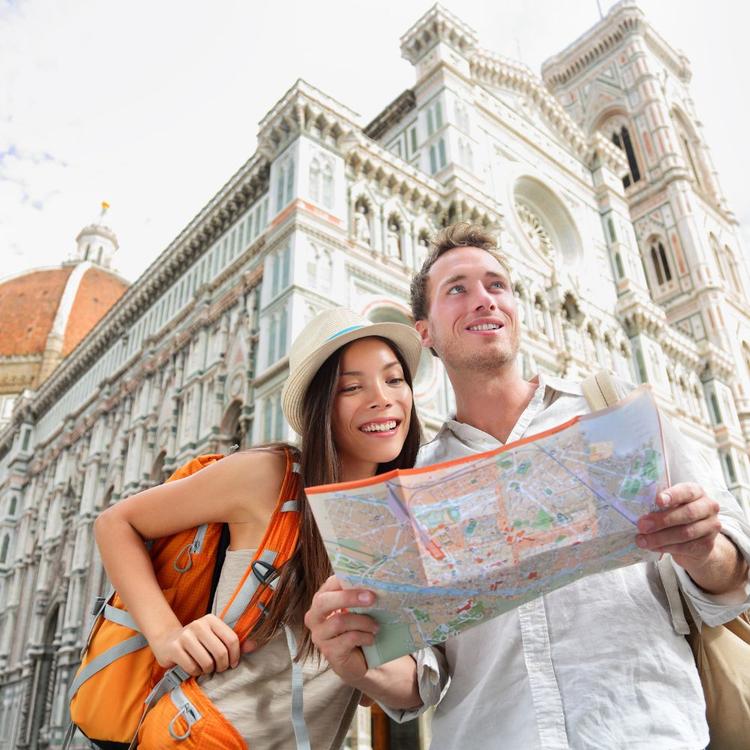
4:00 hours
Private
Orientation Tour of Florence with Uffizi and Accademia | Private
Explore Florence’s perfectly preserved historical center and condense its unrivalled collection of artworks into a day of cultural discovery.
Starting from € 612,00 for two
View moreCan You Visit the Vasari Corridor?
Travelers often wonder what the Vasari Corridor is and whether it is possible to visit it today.
Access to the corridor is limited and typically available only through special visits or guided experiences, making it one of the Florence's most exclusive and fascinating historical sites.
How to Visit the Uffizi and Vasari Corridor Together
For travelers passionate about Renaissance history, combining the Uffizi Gallery with the Vasari Corridor creates a truly unique experience.
The journey begins inside the museum, surrounded by the artistic achievements of the Renaissance, before continuing through the passage used by the Medici rulers themselves.
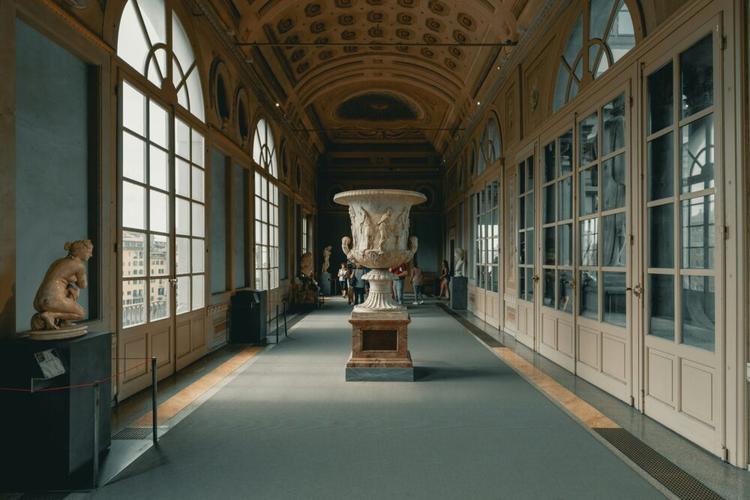
3:00 hours
Private
Price on request
View moreWhy Combining Both Experiences Matters
Exploring both sites together reveals how art, architecture, and political power were deeply connected in Renaissance Florence.
Visitors researching an Uffizi and Vasari Corridor tour or wondering how to visit the Vasari Corridor from the Uffizi often discover that curated guided experiences offer the most complete way to understand this extraordinary part of the city.
Experiencing the Uffizi with an Expert Guide
Art at the Uffizi becomes far more meaningful when it is experienced through storytelling. Behind every masterpiece lies a network of artists, patrons, rivalries, and political ambitions.
An expert guide helps reveal these hidden layers, explaining the symbolism inside Botticelli's mythological scenes and the revolutionary techniques introduced by Leonardo and Michelangelo.
Through expert storytelling the museum transforms into a living narrative of Florence itself.
At Walks Inside Rome, our curated experiences allow travelers to explore both the Uffizi Gallery and the Vasari Corridor with passionate guides who bring Renaissance history to life. A journey through Florence's artistic and political past awaits.
Back to top


