Florence has always been a city that rewards those who look closely. Behind every palazzo façade and across every cobblestone street, there are centuries of craft, ambition, and beauty. The same spirit, also extends to how this city shops, makes, and sells.
Where to Shop in Florence: Via Tornabuoni, Oltrarno Crafts & Ponte Vecchio Jewelry
Published on
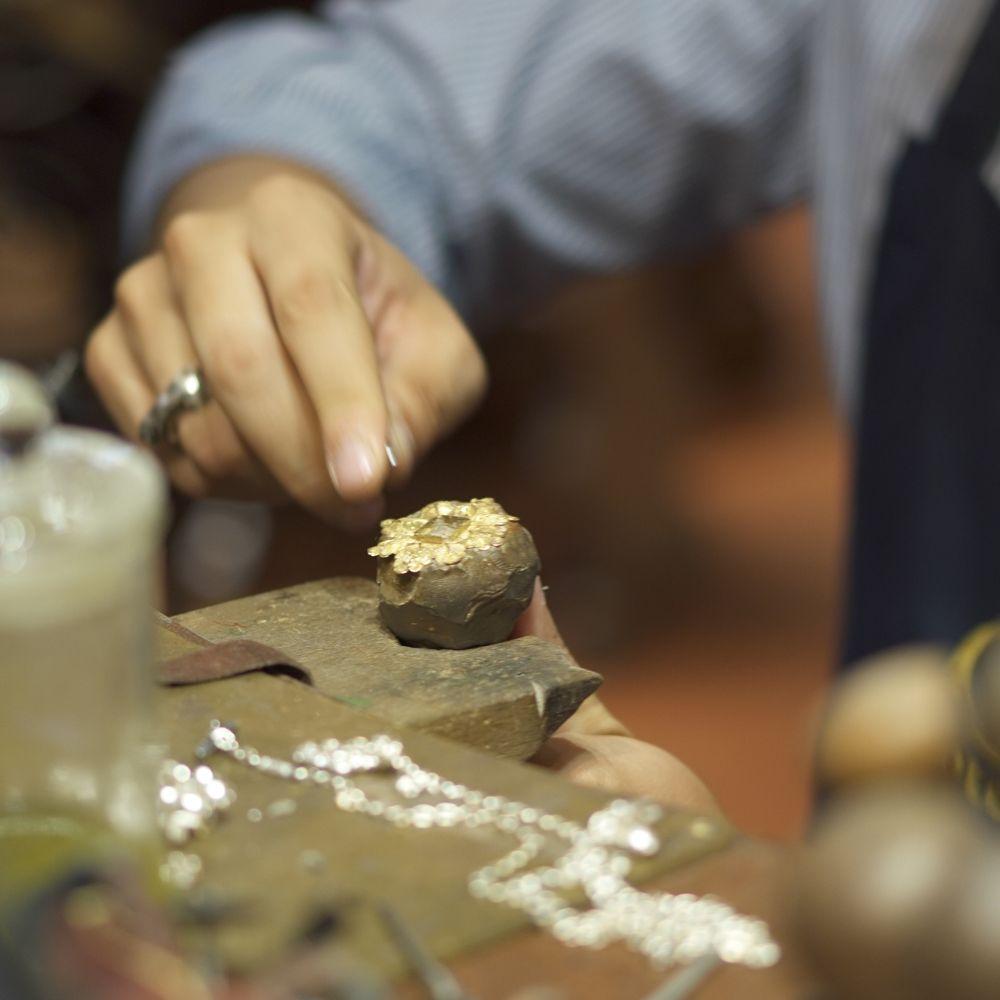
Few places in the world offer a shopping experience so deeply rooted in cultural identity. From the silk workshops of the Renaissance to the leather ateliers still operating in the Oltrarno today, Florence has always valued the handmade, the refined, and the locally sourced.
Whether you're drawn to luxury fashion, once-of-a-kind artisan pieces, or iconic gold jewelry, this guide walks you through the three essential shopping destinations, and everything you need to know before you go.
Via de' Tornabuoni: Florence's Luxury Fashion Street
Via de' Tornabuoni is where Italian luxury has set its most elegant stage. Running through the heart of Florence's historic center, it's the kind of street that makes an impression before you've even glanced at a boutique window.
The Atmosphere
The street is lined with Renaissance palaces: stone façades standing with the same quiet dignity they've held for five centuries. Today, those palaces house some of the most recognized names in global fashion: Gucci, Salvatore Ferragamo, Prada, Bulgari, and Versace all have flagship here.
What makes this stretch distinctive is the layering of time. Florence is, after all, the city where the Medici shaped the Renaissance and where artisan guilds once set the standard for European craftsmanship. Via de' Tornabuoni represents the full arch of that evolution.
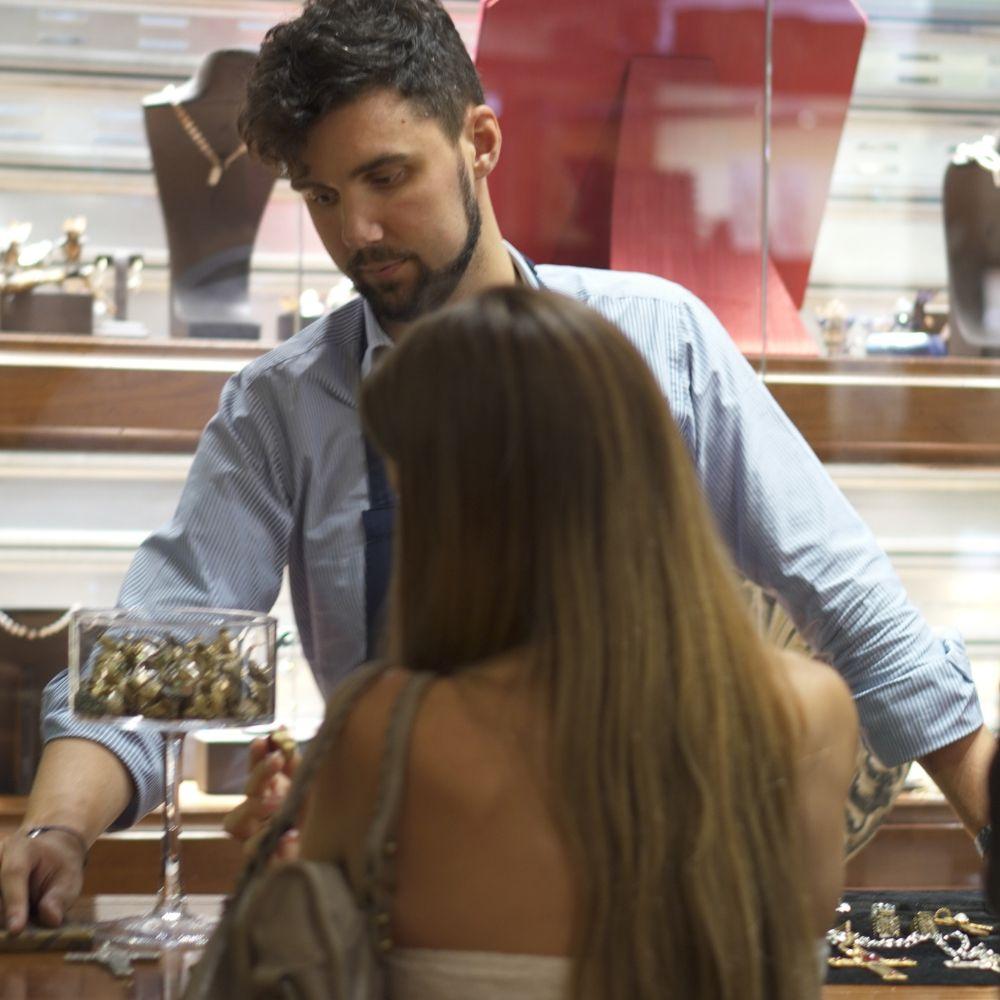
The Brands and Their Roots
It's worth knowing that Gucci was founded in Florence in 1921. Its roots are here, and its flagship store on Via de' Tornabuoni carries that founding spirit.
The same goes for Ferragamo: Salvatore Ferragamo built his brand in this city, and the brand's musuem on the same street offers a fascinating look at how Florentine craftsmanship became global luxury.
Even If you're Not Shopping
Via de' Tornabuoni offers something valuable even for those with no intention of walking out with a shopping bag. A slow walk at aperitivo hour, when the light turns golden and Florentines emerge for the evening passeggiata, gives you a window into what Italian elegance looks like in practice.
For those who are shopping, the best designer stores in Florence extend just off the main strip, along Via dell Vigna Nuova and Via degli Strozzi. These side streets tend to be quieter, with smaller boutiques that sit alongside the international flagships.
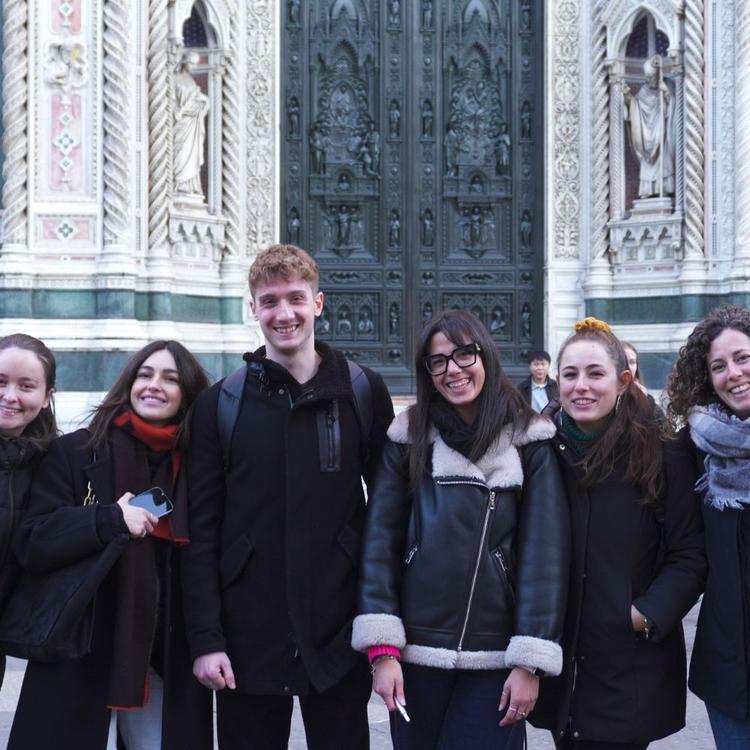
The Oltrarno District: Authentic Florentine Craftsmanship
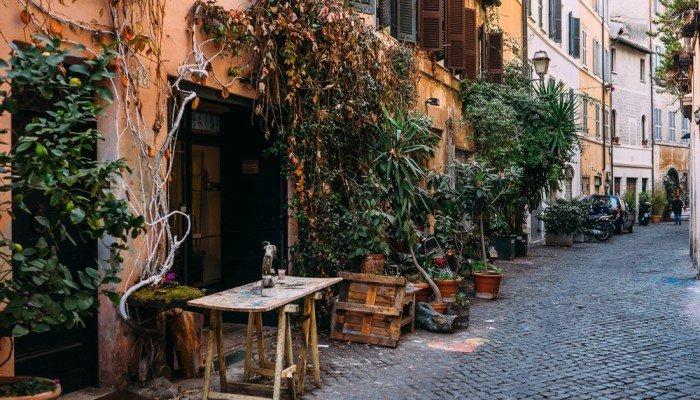
Cross the Arno River, ideally on foot over the Ponte Santa Trinità, and the mood shifts almost immediately. The Oltrarno operates at a different pace and on a different set of values than the polished luxury on the other side of the river. This is were Florence keeps its hands busy.
A Neigborhood Built on Craft
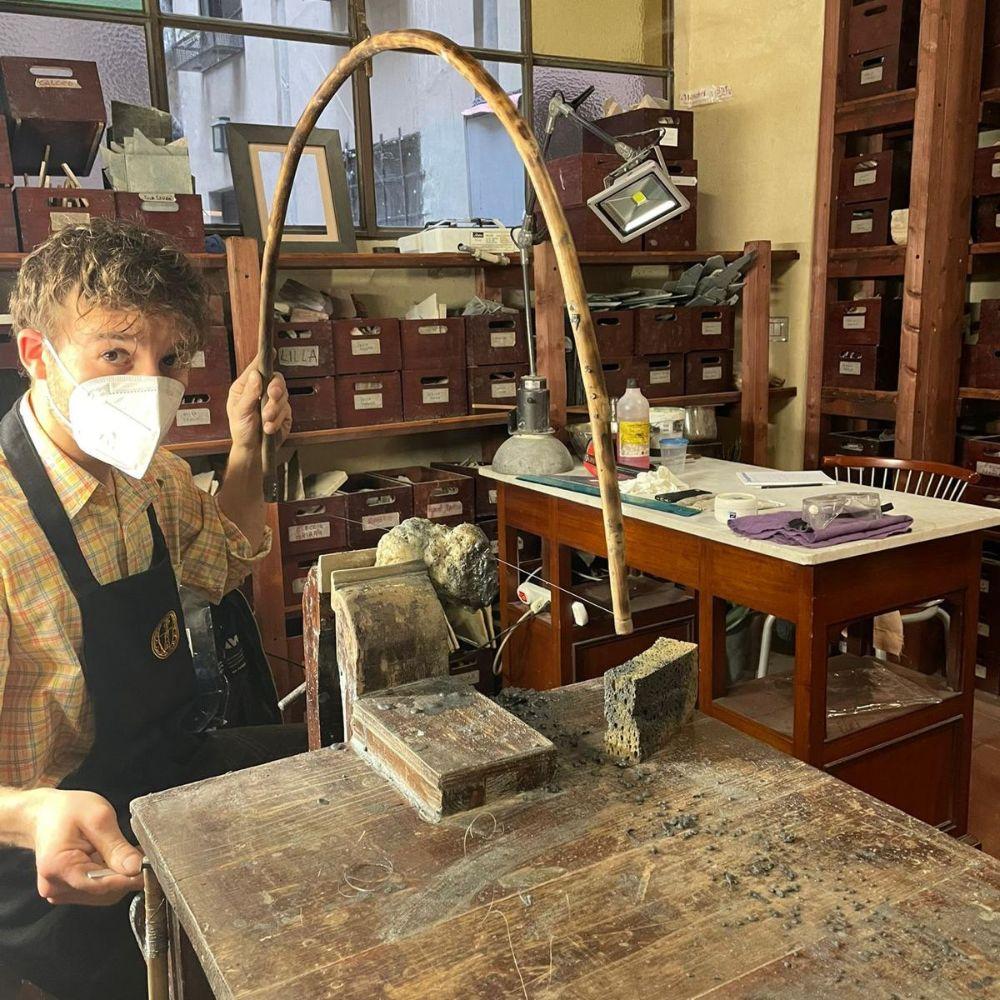
The Oltrarno has been home to artisans and workshop owners for centuries. What's remarkable is that many of those workshops are still here, still operating, still producing the same categories of goods: leather, bookbinding, gilded frames, jewelry, ceramics, and handwoven textiles.
Walking through the Oltrarno means turning corners to find open workshop doors. A leather craftsman shaping a bag by hand. A bookbinder folding sheets or marbled paper. A goldsmith bent over a workbench in an atelier that could have looked much the same in the 1800s.
These are not performance put on for tourists. They are working studios that happen to welcome curious visitors.
Where to Go
A few streets stand out for their concentration of artisan activity:
- Via Maggio: antiques and decorative arts, with showrooms that feel like curated time capsules
- Piazza Santo Spirito: a weekly Sunday open-air market with handcrafted goods and local vendors
- Borgo San Frediano and Via dei Serragli: where the most active workshops tend to cluster
Florence Leather Workshops: What to Look for
The Oltrarno leather workshops offer something the market stalls near San Lorenzo do not: pieces made in the city, by artisans who have trained for years, using leather sourced and tanned in Tuscany.
The difference is visible and tactile. A bag or belt made in an Oltrarno atelier will carry evidence of the hand that made it: slight variations in stitching, a burnished edge, the particular weight of properly tanned leather.
Handmade Paper: A Florentine Specialty
Beyond leather, the Oltrarno is the best neighborhood to find handmade paper goods, a florentine craft with roots in the medieval period.
The technique of carta marmorizzata (marbled paper) produces decorative stationery that makes for a genuinely meaningful souvenir: something tied to the city's specific history, not a generic keepsake.
Meeting the Artisans
One of the underrated pleasures of shopping in the Oltrarno is the conversation that comes with the transaction. Many workshop owners are happy to explain their process, show you the materials they use, and talk about how they learned their trade.
These exchanges give the objects you bring home a context and a story that no department store purchase can replicate.
Ponte Vecchio: The Iconic Jewelry Destination
There are landmarks, and then there are places that manage to be both landmarks and fully functioning commercial spaces at the same time. Ponte Vecchio is perhaps the most remarkable example: a medioeval bridge over the Arno, lined with goldsmiths' shops, that has been doing business without interruption for centuries.
From Butchers to Goldsmiths
The shops on Ponte Vecchio today are jewelers, but they weren't always. In the medieval period, the bridge was occupied by butchers and fishmonger. In 1593, Ferdinando I de' Medici decreed that only goldsmiths and jewelers could operate on the bridge: a decision that shaped its identity for the next four centuries.
The Medici connection runs deeper than that edict. The Vasari Corridor, a private passageway built in 1565, runs along the top of the bridge's eastern side, allowing the ruling family to move between the Palazzo Vecchio and the Palazzo Pitti without descending to street level.
That hidden corridor is a reminder that the bridge was always woven into the politics and dily life of Renaissance Florence.
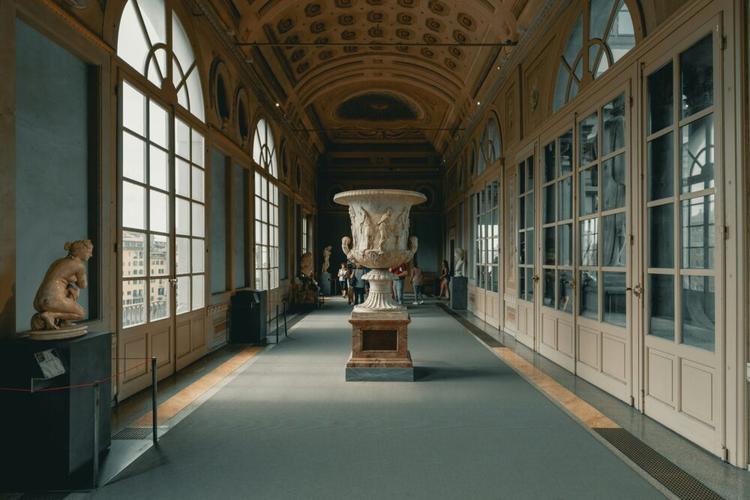
3:00 hours
Private
Starting from € 650,00 for two
View moreWhat to Know Before You Buy
Ponte Vecchio jewelry shops are a mix of family-run ateliers with generations of history and more recently estabilished businesses. The majority specialize in gold, making this one of the best places to shop for Florence gold jewelry anywhere in Italy.
A few things worth knowing before you browse:
- Gold jewelry in Italy is sold by weight and craftsmanship: prices reflect the quality of the work, not just the material
- Pieces made by hand in a workshop above or behind the stop will differ significantly from pre-made imported items.
- Don't hesitate to ask about the provenance of a piede: any reputable jeweler on the bridge will be happy to explain.
What to Buy on Ponte Vecchio
Classic options include gold chains in traditional Italian styles, rings and pendants featuring the fiorino motif (a nod to the historic Florentine gold coin), and pieces incorporating semi-precious stones from the Florentine tradition of pietre dure, the inlaid stonework that has been a city specialty since the sixteenth century.
The setting alone makes shopping here unlike almost anything else. Standing on the bridge, looking out through one of the three open arches toward the hills of Fiesole, is a reminder that the goldsmiths here are the inheritors of a tradition th city chose to protect, even during war time.

What to buy in Florence: Iconic Local Products
Florence rewards those who shop with intention. Knowing what the city does exceptionally well before you arrive makes for a more focused, and more satisfying, experience.
Leather Goods
Tuscany is Italy's leather heartland, and Florence has been its craft and commercial center for centuries. The best pieces (bags, wallets, belts, gloves) are still made by hand in workshopsacross the Oltrarno and around Santa Croce.
Vegetable-tanned leather, treated using traditional methods at tanneries near the town of Santa Croce sull'Arno, produces pieces that develop a beautiful patina over time and last far longer than mass-produced alternatives.
Handmade Paper and Stationery
Journals, notebooks, and decorative papers produced using traditional marbling techniques make for elegant, lightweight souvenirs with genuine cultural roots. The best paper shops are in the Oltrarno and near Piazza della Signoria.
Gold Jewelry
A piece of Florentine gold jewelry - whether bought on Ponte Vecchio or from one of the surrounding goldsmiths's streets - carries both aesthetic and historical weight. It's one of the most culturally specific purchases you can make in the city.
Perfumes from Historic Apothecaries
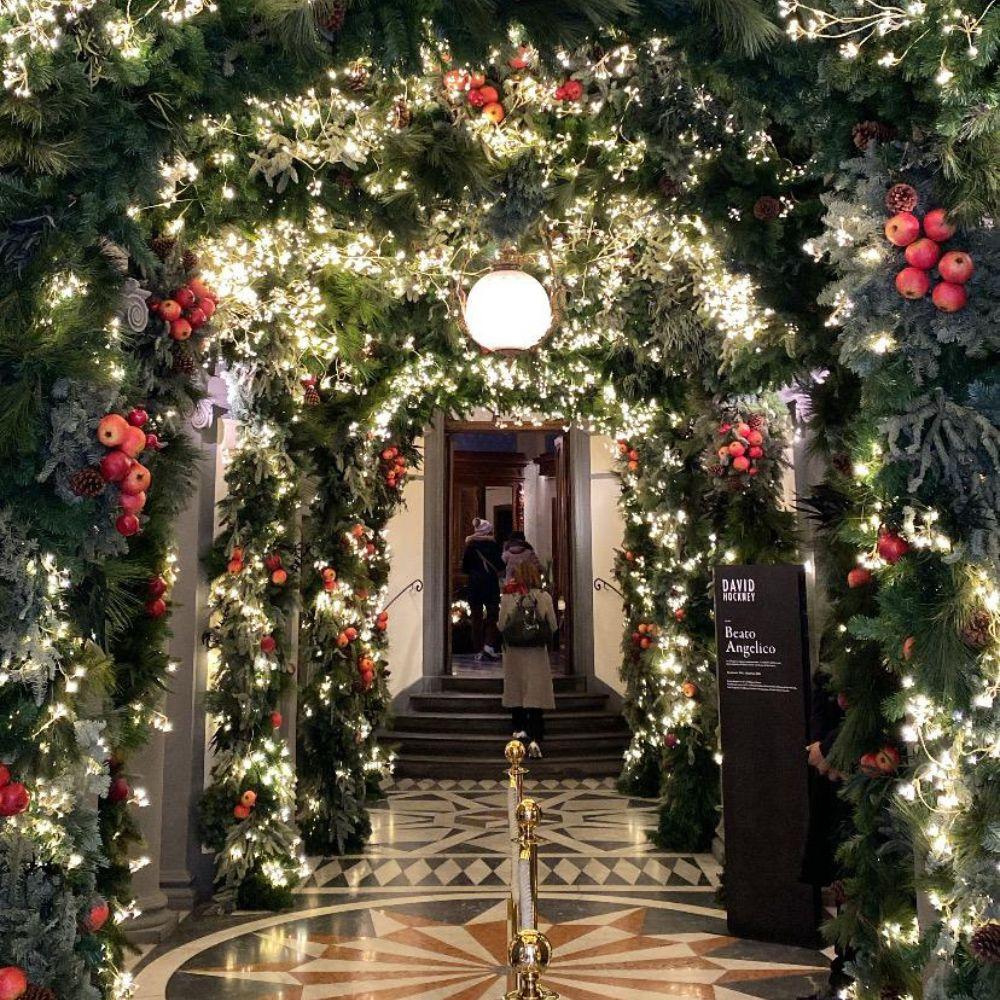
The Officina Profumo - Farmaceutica di Santa Maria Novella, founded by Dominican friars in 1612, produces perfumes, soaps, and tonics using recipes that have changed little in four centuries. The frescoed interiors alone are worth a visit. Products range from rose water to amber-scented candles, sophisticated gifts that you genuinely cannot find anywhere else.
Artisanal Food Products
Tuscany's pantry is extraordinary, and Florence is the natural place to shop for it. Extra-virgin olive oil, aged balsamic, truffle products, and finocchiona (Tuscan fennel salami) are among the best options. Check your customs regulations before packing.
Practical Tips for Shopping in Florence
A little preparation goes a long way in a city where the gap between an excellent purchase and a forgettable one comes down to knowing where to look and what questions to ask.
How to Spot Authentic Craftsmanship
The most reliable indicator of a genuine artisan product is traceability: the ability to connect the object to the person or workshop that made it.
For leather specifically:
- Look for vegetable tanning over chrome tanning — the former produces firmer, more aromatic leather that ages beautifully
- Stitching should be even but not machine-perfect; slight variation is a sign of handwork
- Edges should be burnished and finished, never raw or glued
How to Avoid Tourist Traps
The area around San Lorenzo market is the most concentrated zone of tourist-oriented merchandise in Florence. Items labeled "made in Italy" can be manufactured anywhere in the country and are not necessarily handcrafted in Florence.
For genuine Florentine crafts, the Oltrarno remains the most reliable neighborhood. The further you walk from the Duomo, the better the odds.
Is Florence Expensive for Shopping?
It depends entirely on what you're buying. For luxury fashion on Via de' Tornabuoni, prices are comparable to flagship stores in New York, Paris, or London.
For artisan goods, pricing varies: a hand-stitched leather wallet from a reputable Oltrarno workshop might cost €80 to €150, while a mass-produced version near the Duomo might be priced similarly but represent a fraction of the quality.
Tax-Free Shopping in Florence
Non-EU residents are eligible for a VAT refund on purchases above €154.94 at participating retailers. The process:
- Ask for a tax refund form at the point of sale
- Have it stamped at customs when departing the EU
- Submit it for processing at the airport
Most luxury boutiques on Via de' Tornabuoni have dedicated staff for international shoppers and can guide you through the process.
Best Time to Shop in Florence
- Early weekday mornings (9:00–11:00 a.m.): fewest crowds, artisans most actively at work
- Avoid midday in summer: many smaller shops close for a few hours
- January and July: sale season (saldi) at fashion boutiques, with significant reductions on previous collections
Experiencing Florence Through Its Shops and Artisans
There's a particular kind of travel memory that stays with you long after the photographs fade: the moment you sat in a craftsman's workshop and watched him cut leather with the precision of someone who has made the same motion ten thousand times.
Florence has always understood the connection between craft and identity. The guilds that once governed the production of wool, silk, leather, and goldwork were not just economic institutions — they were the social architecture of the Renaissance city.
What the Oltrarno artisans carry forward today is a direct extension of that tradition. Adapted to the present, but rooted in centuries of accumulated knowledge.
Every object worth bringing home from Florence carries a piece of that history. A leather bag made in a workshop on Borgo San Jacopo. A gold ring from a family jeweler on Ponte Vecchio. A journal bound in hand-marbled paper from a studio near Santo Spirito.
These things hold meaning beyond their function — because they come from a place where making things well has always mattered.
Discover Florence with a Local Guide
If you want to experience this side of the city firsthand — going beyond the monuments into the living workshops and artisan traditions that most visitors never find — Walks Inside Rome offers a private Florence Artisan Tour designed to take you inside the neighborhoods, workshops, and stories that define the real Florence.
Planning a trip to Italy? Explore our full range of guided tours in Florence, Rome, and beyond at Walks Inside Rome.
3:00 hours
Private
Florence Artisans Tour | Private
Florence has a tight connection with its talented artisans and in this tour you will discover exactly why these masters of their trades are revered the world over
Starting from € 800,00 for two
View moreBack to top


