In Ancient Rome, bathing was never a simple daily routine. It was a shared ritual, a social moment, and a defining feature of Roman Civilization. The Roman baths were places where citizens gathered to relax, discuss politics, exercise, and immerse themselves in beauty and architecture.
Rome Baths: From Ancient Rituals to Modern Relaxation
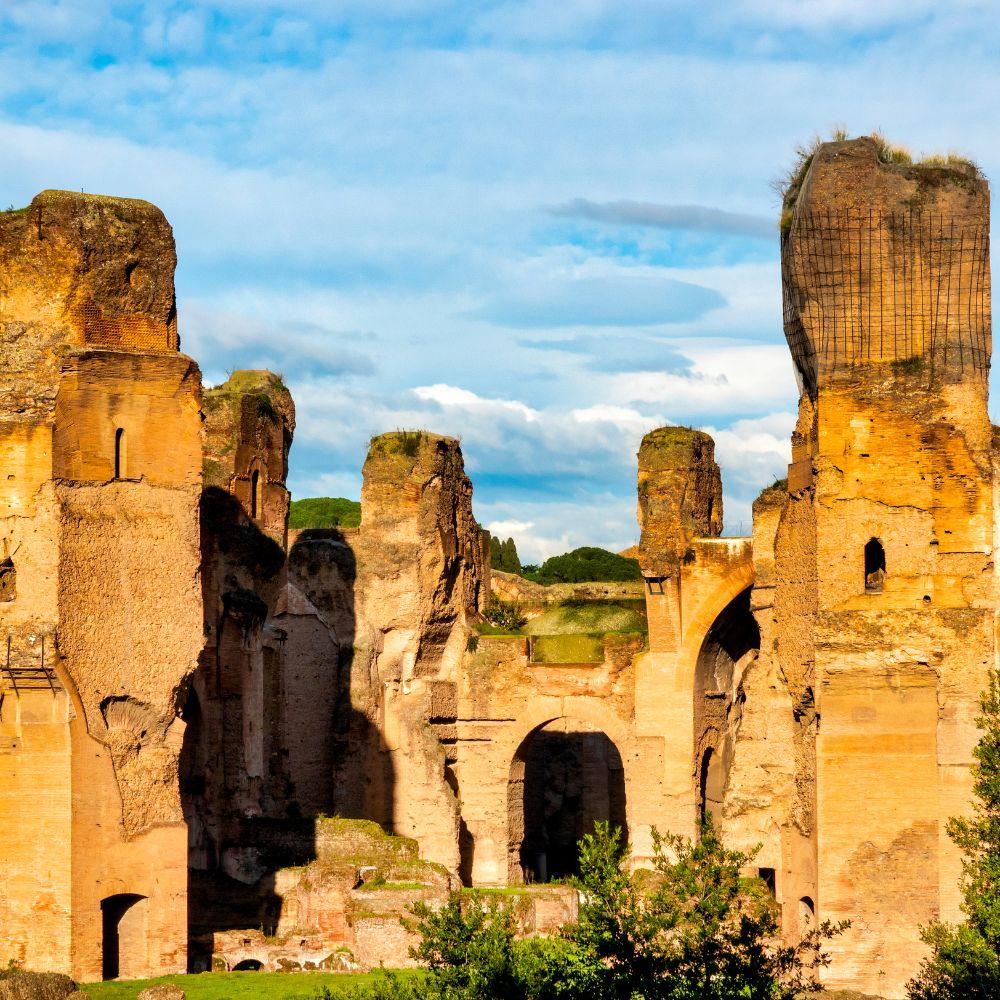
Today, that fascination has not faded. From the monumental ruins of imperial bath complexes to modern thermal spas inspired by ancient traditions, Rome continues to tell its story through water, stone and ritual. Exploring these sites with an expert guide, like those at Walks Inside Rome, allows visitors to uncover layers of meaning that often go unnoticed, transforming impressive ruins into living stories.
The History of the Roman Baths
Roman baths began to appear on a large scale from the 2nd century BCE, evolving from modest facilities into some of the most ambitious architectural projects of the ancient world. As Rome expanded, so did its bathing culture, becoming an essential part of daily urban life.
These complexes were marvels of design and engineering. Vast marble halls, intricate mosaics, soaring vaults, and carefully regulated pools created environments that were both functional and breathtaking. Among the most famous are the Baths of Caracalla, the Baths of Diocletian, and the Baths of Titus, each reflecting the power and ambition of the emperors who commissioned them.
10 Facts About Roman Baths
Roman baths were far more complex than they might seem at first glance. These fascinating facts reveal just how central they were to Roman life.
- Some baths complexes could host over 1,500 people at the same time;
- Entrance fees were extremely low, often affordable even for the poorest citizens;
- Baths were often decorated with statues, fountains, and imported marble;
- Men and women usually bathed separately, though mixed bathing existing at time;
- Bathing was typically a late afternoon activity;
- Slaves were often present to assist wealthy bathers;
- Oil, not soap, was used to clean the skin;
- Libraries and gardens were part of major bath complexes;
- Heating systems allowed rooms to reach dramatically different temperatures;
- Bathing was considered essential to being "civilized"
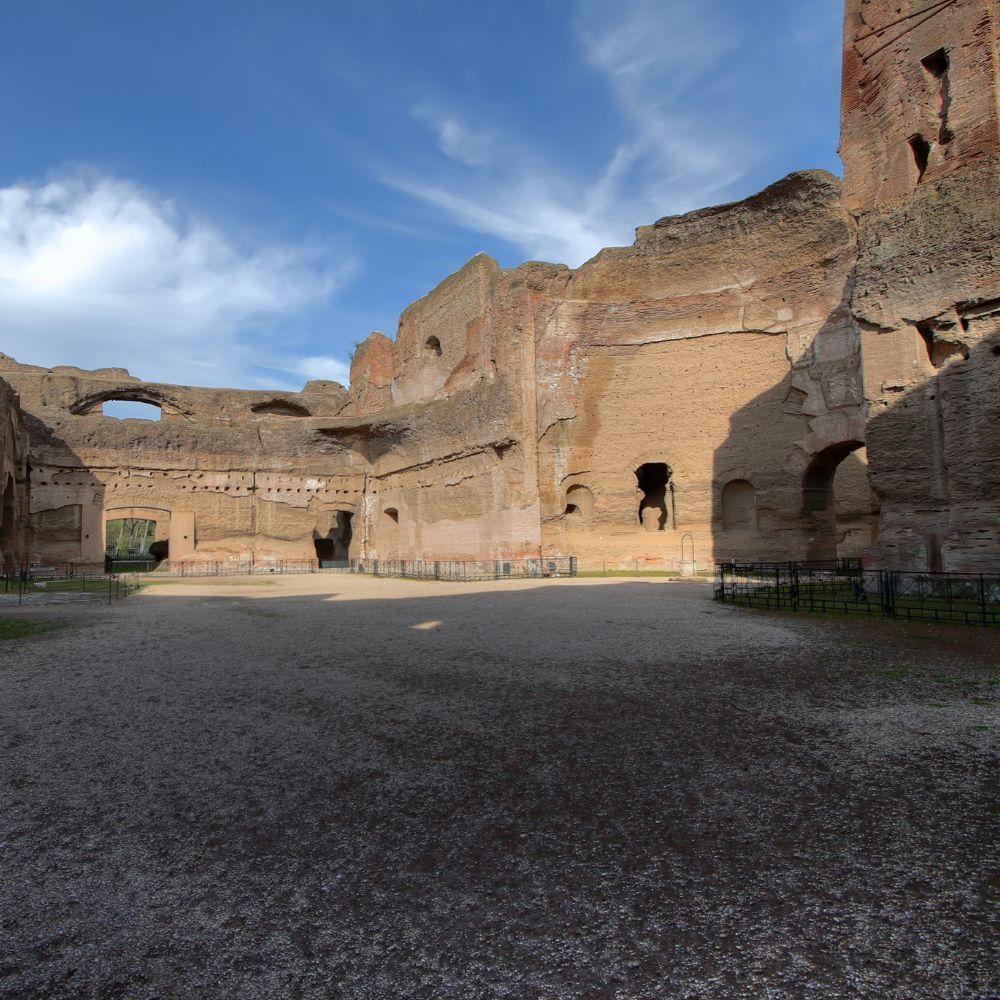
Bath Appearance: What Did Ancient Roman Baths Look Like?
Walking into a Roman bath was an immersive sensory experience. These were not dark or cramped spaces, but open, luminous halls designed to impress as much as to serve practical needs.
Sunlight filtered through high windows and reflected off polished marble floors. Vaulted ceilings amplified the sound of conversation, footseps, and flowing water. Statues of gods and athletes watched over bathers, reinforcing the connection between physical well-being and cultural refinement.
Bathing Process: How Did Romans Use the Baths?
The Roman bathing routine followed a precise yet relaxed rhythm, turning hygiene into a social ceremony. A typical visit unfolded gradually, allowing time for both body and mind.
Bathers began by undressing in the apodyterium, then moved to excercise areas to work up a sweat. Oils were applied to the skin and scraped off with a strigil before rinsing. From there, visitors passed through rooms of varying temperatures, from warm tepidarium to hot caldarium, ending with a refreshing dip in the frigidarium. Throughout the process, conversation flowed easily, business deals were discussed, and friendships were maintained.
Why Did the Romans Use Public Baths?
Public baths were a cornerstone of Roman social life. They served as meeting places where senators, merchants, artists, and laborers could interact on equal footing, at least for a few hours.
Bathing was also a powerful symbol of Roman identity. Cleanliness, order, and communal spaces reflected the values of civilization itself. The accessibility of baths, even to those with limited means, reinforced the idea that Roman culture belonged to everyone within the empire.
What Were the Rules of a Roman Bath?
Despite their relaxed atmoshpere, Roman baths followed clear rules and etiquette. These customs helped maintain order and comfort in spaces udes by thousands daily.
Bathing hours were regulated, attire was minimal but appropriate, and behavior was expected to be respectful. Fees were modest, and certain times were reserved for specific groups. Many of these rules feel surprisingly familiar to modern spa-goers, creating an unexpected sense of continuity between ancient and contemporary relaxtion culture.
Visiting the Roman Baths Today
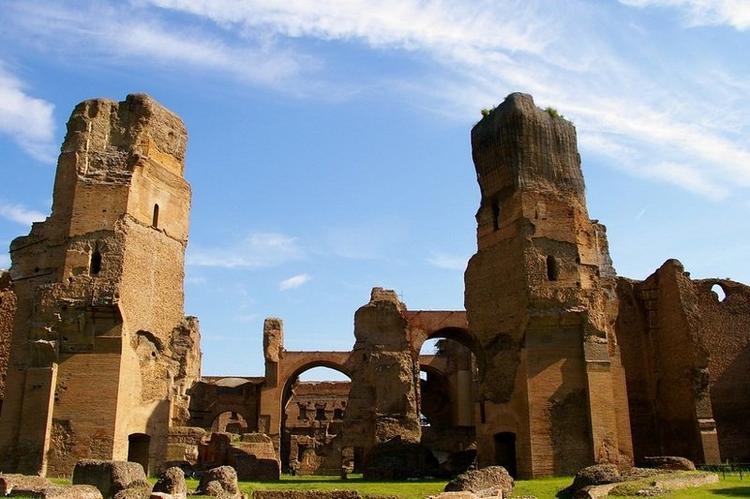
Today, Rome offers visitors the chance to step directly into this ancient world. The ruins of the Baths of Caracalla are among the best preserved, allowing guests to wander through immense halls and imagine the sounds and movement of daily Roman life, The Baths of Diocletian, now part of a museum complex, offer futher insight into the scale and sophistication of Roman bathing culture.
3:00 hours
Private
Secret Rome Tour | Private
Rome is so much more than just the Vatican and Colosseum. Let us take you on a journey off the beaten path to discover the hidden side of the city that so few ever get to see.
Starting from € 776,00 for two
View moreCan you Still Bathe in the Roman Baths?
The ancient baths themselves are archaeological sites and cannot be used for bathing. However, their influence lives on in modern thermal facilities inspired by Roman Traditions,
Can You Go in the Baths in Rome?
Yes, visitors can walk through the ruins, explore the architecture, and learn about their history. Entry tickets and opening hours vary by site, and guided visits offer the most complete understanding of what you are seeing.
Does Rome Have Thermal Baths?
Rome itself preserves the ancient structures, while nearby areas host active thermal baths that draw on natural hot springs and centuries-old practices.
Modern Thermal Baths Near Rome
For those seeking relaxation beyond archaeology, several modern options are available. The Terme di Cetrone and the Terme dei Papi, offer thermal experiences rooted in ancient traditions. These destinationspair beautifully with culturals tours, creating a journey that balnces exploration and a well-being.
Experience the Roman Baths with Walks Inside Rome
Exploring the remains of Rome's ancient baths becomes far more engaging when you understand the stories behind the stones. Walks Inside Rome offers guided experiences that bring these monumental spaces to life, revealing how Romans once relaxed, socialized, and spent their afthernoons.
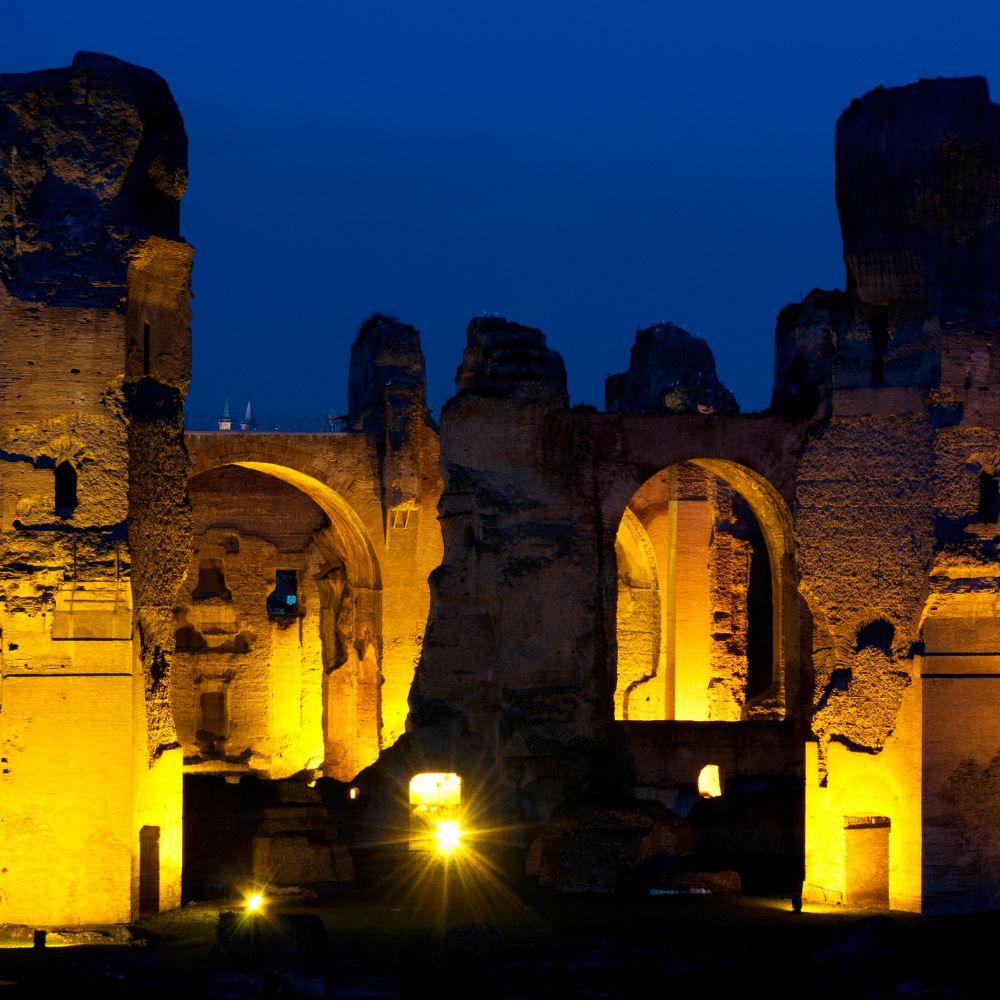
Several of out tours include exclusive views or in-depth visit to the Baths of Caracalla, allowing you to appreciate the scale, engineering, and atmosphere of one of Rome's most impressive archaeological sites. Walking through the baths with an expert guide helps you see beyond the ruins and imagine the vibrant daily life that once filled these baths.
If you would like to experience the Baths of Caracalla in a more meaningful way, you can explore all available tours directly on our site by visiting our dedicated page.
Back to top


