Visiting Rome for the first time is exciting, emotional, and yes, sometimes overwhelming. We see it every day through the eyes of the travelers we guide. The beauty, the history, the energy of the city can feel almost too much at one, especially if you are arriving with big expectations and limited time.
Rome Travel Tips for First Time Visitors
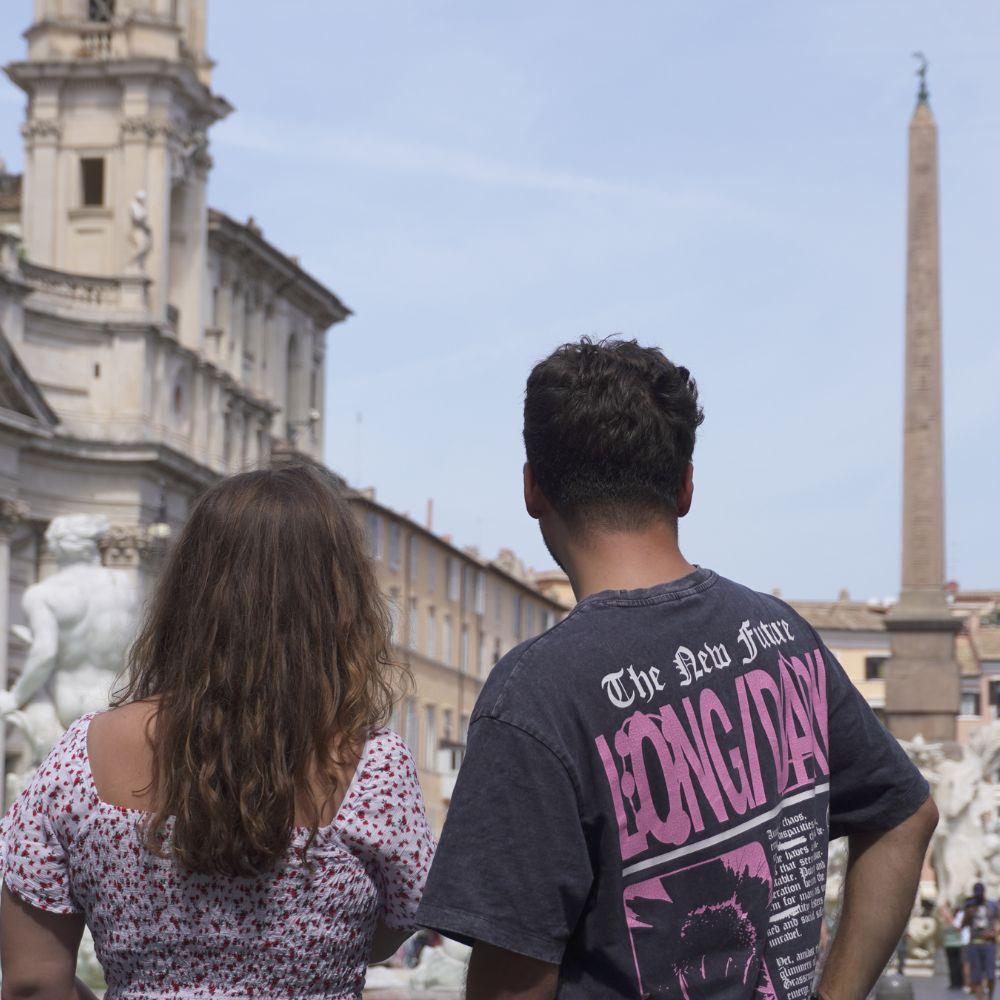
As local guides who live and work in Rome, we know exactly what first time visitors worry about before arriving. Crowds, logistics, cultural differences, and the fear of missing out often sit right next to the excitement. This guide is our way answering a question we hear constantly on our tours: what sould i know before traveling to Rome?
Before You Go: What First Time Visitors Should Know
Preparing for Rome before you arrive makes a huge different. Not because the city is difficult, but because it is layered, busy, and full of surprises that are easier to enjoy when you know what to expect.
When is the Best Time to Visit Rome?
Rome is beautiful year round, but every season feels different. Spring and fall are ideal for first time visitors, because the weather is pleasant and the city is easier to enjoy at a relaxed pace. Summer brings long days and vibrant evenings, but also intense heat and heavier crowds, especially around major landmarks. Winter is quieter and atmospheric, with fewer tourists and a more local feel.
Understanding peak and shoulder seasons helps you menage expectations, plan better days, and avoid unnecessary stress. Weather, crowd levels, and daylight hours all shape how Rome feels when you experience it in person.
Book Key Attractions in Advance
One of the biggest surprises for first time visitors is how quickly tickets sell out. The Vatican Museums, the Colosseum, and other major sites often have long lines that can eat up hours of your day if you arrive unprepared.
Booking essentials in advance allows you to focus on the experince rather than logistics. From our guiding experience, this single step changes how visitors feel about their entire trip. Planning ahead is not about rigidity, it is about freedome once you arrive.
4:00 hours
Private
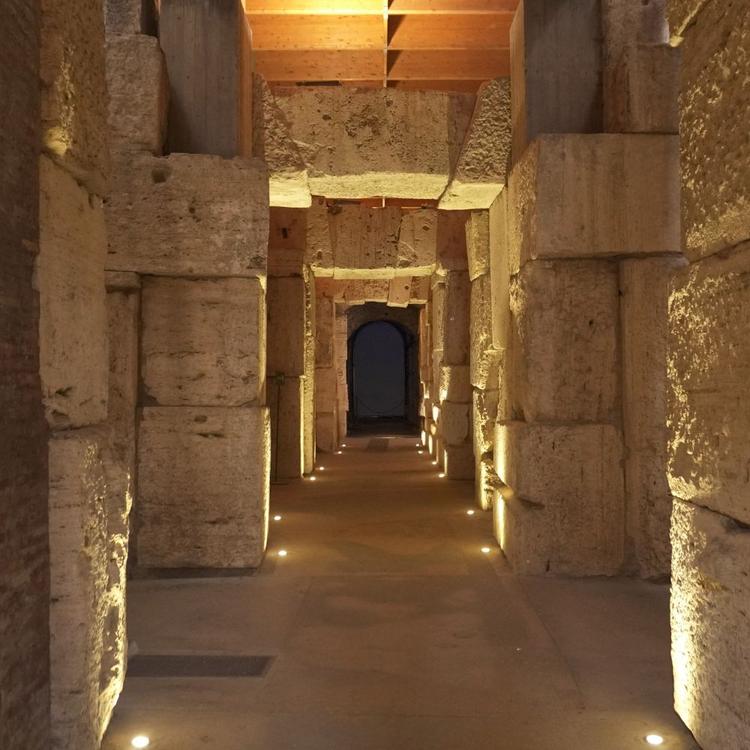
VIP Colosseum Underground & Ancient Rome Tour | Private
Embark on a private tour of ancient Rome’s most enduring monuments with VIP access to the Colosseum, its underground and the Roman Forum with your expert guide.
Price on request
View moreSet Realistic Expectations About Distances and Pace
Rome looks compact on a map, but walking distances add up quickly. Many visitors understimate how much time it takes to move between sites, especially when cobblestone streets, crowds, and unexpected beauty slow you down.
Rome rewards a slower pace. Trying to see everything often leads to exhaustion, while choosing fewer experiences allows you to truly absorb what makes the city special. This is one of the most common lessons travelers share with us after their first day.
For a perfect trip you can visit the Rome official website, which is a useful institutional resource.
Do's and Don'ts in Rome
Understanding local customs helps you feel more confident and comfortable. These are not strict rules, but cultural insights that make your experience smoother and more respectufl:
- Dress codes and Churches: Rome is filled with active churches. When entering religious sites, shoulders and knees should be covered. We often see visitors caught off guard by this. Carrying a light scarf or shawl solves the problem easily.
- Respecting historical sites: Rome's landmarks are ancient and fragile. Sitting on monuments, touching artworks, or climbing can result in fines and unwanted attention. Beyond the rules, there is a shared sense of respect for places that have survived for thousands of years.
- Dining etiquette and timing: Meals in Rome follow a rhythm that may feel different to American travelers. Lunch and dinner happen later, service is unhurried, and meals are ment to be enjoyed. Asking for a check early is acceptable, but lingering is never a problem
- Public behavior and everyday courtesy: Rome is lively and expressive, but loud behavior in quiet spaces and disrespectful gestures and stand out quickly. Simple awareness goes a long way, and visitors who observe before acting often blend in more naturally.

Safety, Neighborhoods, and Common Concerns
Safety is one of the most frequent topics we discuss with first time visitors. Rome is generally a safe city, but like any major destination, awareness matters.
- Pickpocketing and crowded areas: pickpocketing exist, particularly in busy place like public transportation, major attractions, and crowded squares. Keeping bags closed, valuables secure, and staying aware is usually enough to avoid issues.
- Neighborhoods and where spend time: most tourist areas are well monitored and lively. Quieter neighborhoods offer a more local atmosphere and are often just as safe, if not safer, Understanding where crowds gather hepls you choose when to be alert and when to relax
- Perception vs Reality: Rome's reputation can sometimes sound intimidating, but the reality is calmer. Being informed and observant allows you to enjoy the city without fear. This is a place meant to be explored, not avoided.
A common question we hear is: are there any areas to avoid in Rome? For most visitors, the answer is no, especially when staying aware and informed.
Getting Aroud Rome Like a Local
Transportation in Rome is simple once you understand how the city moves.
Walking Vs Public Transport
Rome is bes experienced on foot. Walking allows you to notice small details, hidden corners, and moments that do not appear in guidebooks. Public transportation is useful for longer distances, but not always faster than walking.
Taxis and What to Know
Official taxis are white, clearly marked, and regulated. Avoid unlicensed drivers, especially near major stations. Using apps or calling a taxi through your hotel is often the easiest option.
Why Overplanning Routes can Backfire
Trying to optimaze every moment often creates frustration. Street close, traffic shifts, and unexpected discoveries invite you to slow down. Flexibility makes Rome more enjoyable than rigid schedules ever will.
Tipping in Rome: What Americans Need to Know
Tipping culture in Rome is different from what many Americans expect, and this often causes uncertainty.
Tipping in Italy is not mandatory. It is appreciated for excellent services, but never required. Leaving a small amount or sounding up the bill is common, especially in restaurant.
Service Charges Vs Tips
Many restaurants include a service charge or coperto. This is not a tip, but a standard cover fee, Understanding this avoids confusion and unnecessary pressure.
How Locals Approach Tipping
Locals tip casually and inconsistently. Following this approach help visitors feel more comfortable. A frequent question we hear is am i supposted to tip in Rome? The short answer is that it is optional and based on your experience.
Rome in 3 Days: How to Prioritize
Three days in Rome can feel short, but it is enough to create lasting memories if planned wisely:
- Focus on flow, not checklist: Rather than jumping across the city, grouping experiences by area creates a natural rhythm. This allows you to see more without feeling rushed.
- Balance Must sees with downtime: iconic sights matter, but so does sitting in a piazza, enjoying a coffee, or wandering without a goal. These moments often become the most memorable.
- Why less is often more: trying to do too much leaves visitors exhausted. We often remind travelers thar Rome will still be here. Many guestes searching for thing to do in Rome in 3 days find that guided experiences help them make the most of limited time without feeling overwhelmed.
Underrated and Once in a Lifetime Experiences in Rome
What travelers remember most is rarely what they planned most carefully.
Walking into a quiet church, stumbling upon a neighborhood market, or watching the city change light at sunset creates emotional connections that guidebooks cannot predict.
Rome offers moments that feel deeply personal, even in a busy city. These are the experiences visitors describe when asked what are some underrated tips for traveling to Rome? and once in a lifetime things to do in Rome? They are about feeling, not ticking boxes.
Why Experiencing Rome With Local Guides Changes Everything
Rome is complex, layered, and rich with stories. Understanding it requires context. Guided experiences offer insight, access, and perspective that turn confusion into clarity.
At Walks Inside Rome, we design experiences specifically for first time visitors, helping them navigate the city with confidence while uncovering its deeper meaning. Our role is not just to show places, but to help travelers connect with them.
Rome Is Complex, That’s Why It’s Unforgettable
Rome does not reveal itself all at once. It rewards curiosity, patience, and openness. With good preparation and local insight, the city becomes less intimidating and far more rewarding.
We believe that the best Rome travel tips for first time visitors are rooted in experience, not theory. When you approach Rome with the right mindset, it gives back more than you expect, and invites you to keep exploring, one step at a time.
Back to top


