Rome is often described as an open air museum, but that definition only tells half the story. Beyond the ruins, fountains, and piazzas, the city is home to some of the most important museum collections in the world, places where centuries of art, power, faith, and creativity are preserved and explained.
Best Museums in Rome
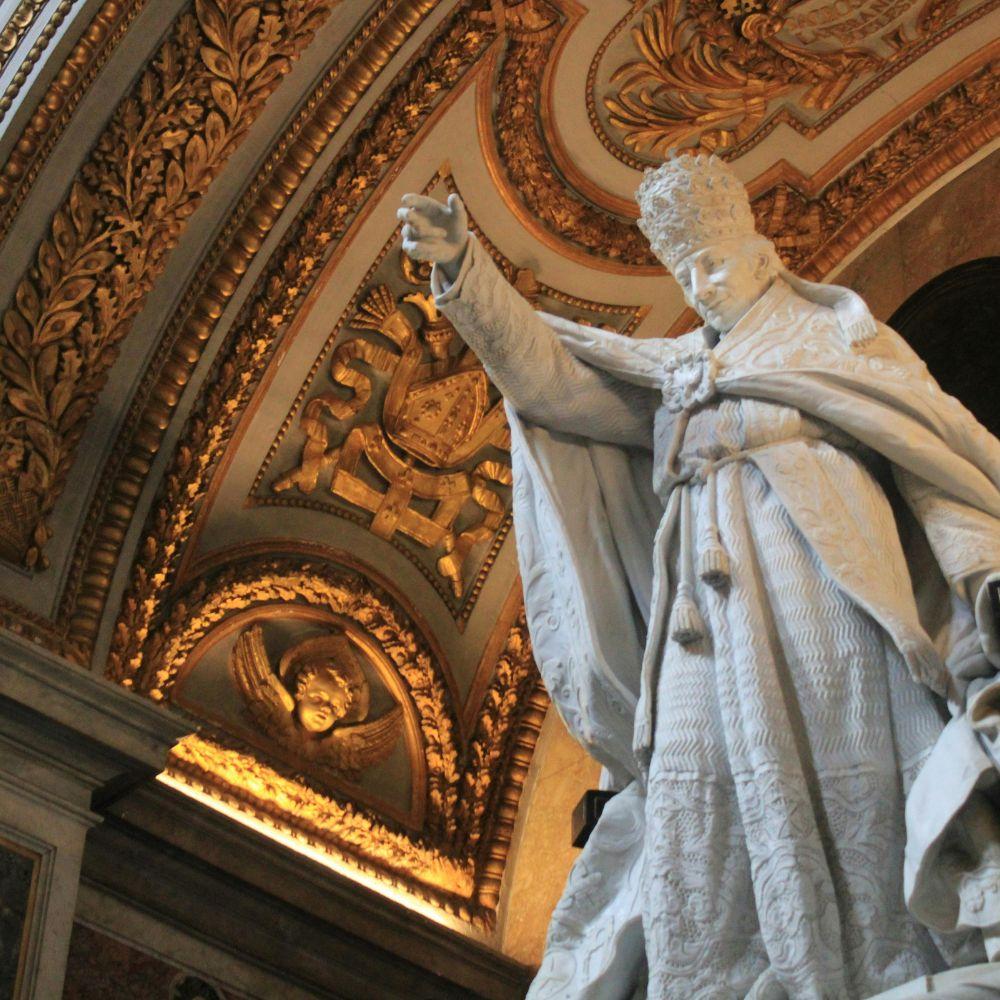
For travelers, especially first time visitors, the challenge is not whether Rome has a great museums, but which ones are actually worth the time. With so many options and limited days, confusion is almost guaranteed. This guide was curated by guides who work inside these museums every week, not as a generic list, but as a practical tool to help you choose wisely.
So, which is the best museum in Rome? The honest answer is tha it depends on your interests, your pace, and what you want to take home from the experience. Below, we break it down by art, history, Vatican highlights, free museums, and niche options, so you can find the right fit for your trip.
What Makes a Museum "Worth it" in Rome?
Rome's museums vary enormously in scale, atmosphere, and storytelling value. Some are vast and overwhelming, others intimate and highly curated. Knowing what makes a museum worth your time is essential, especially if you only have a few days.
When we evaluate museums in Rome, we look at several key elements. Cultural and historical relevance comes first, because the best museums help you understand Rome itself, not just admire beautiful objects. Quality matters more than quantity, a focused collection often leaves a deeper impression than endless rooms. Visitor experience is crucial, including layout, crowd flow, and how clearly the story is told. Finally, suitability plays a role, as some museums are ideal for first time visitors, while others shine for repeat travelers seeking depth.
When people ask, what cannot you miss in Rome, the answer is not simply famous names. It is the museums that explain Rome's identity, its power, its art, and its influence on the world.
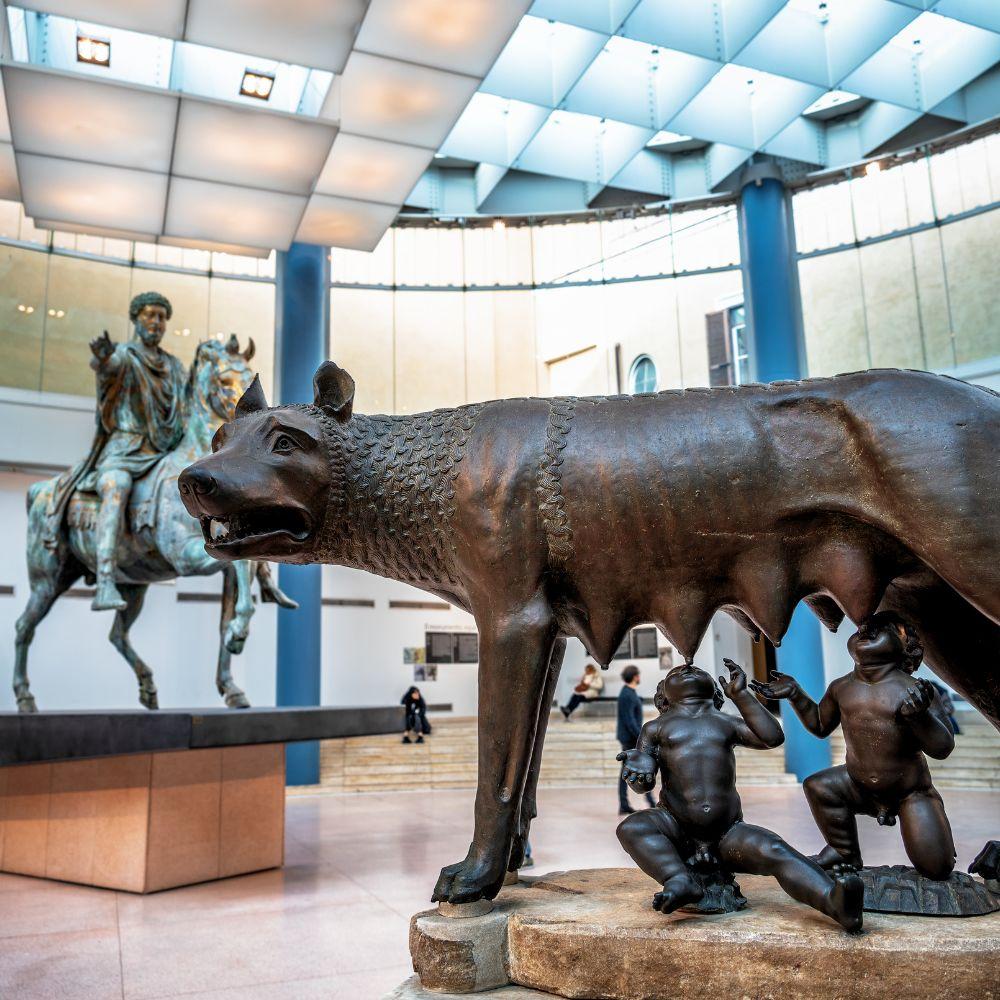
The Must See Museums in Rome
Some museums are simply unmissable, not because they are famous, but because they are essential to understand the city. These are the institutions that consistently shape how travelers experience Rome.
Vatican Museums: the most visited museum in Rome
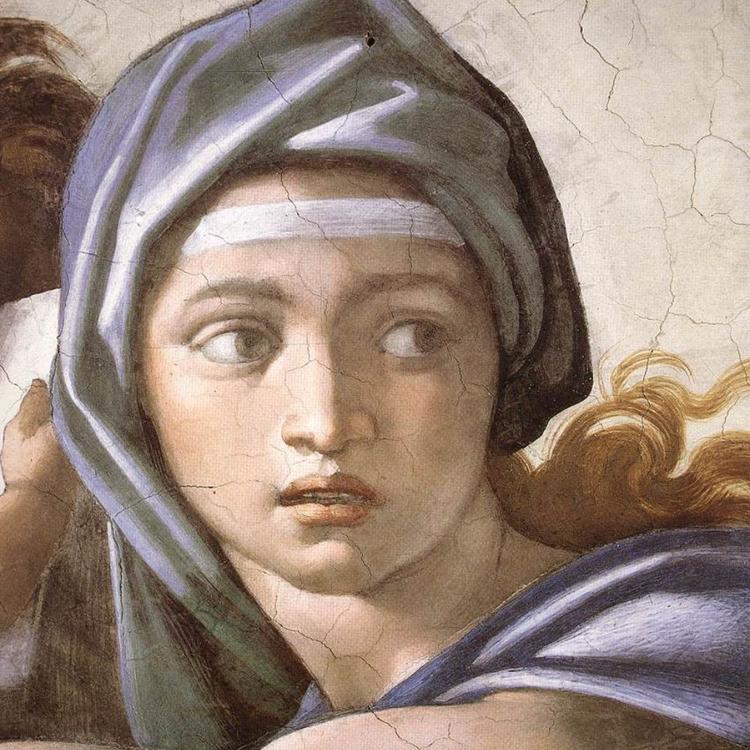
The Vatican Museums are the most visited museum complex in Rome, and among the most visited in the world. Their importance goes far beyond the Sistine Chapel. This is where centuries of art collecting, religious power, and cultural ambition converge under one roof.
The sheer scale of the Vatican Museums is what surprises most visitors. Miles of galleries, layered histories, and masterpieces that often appear without wearning can be thrilling, but also exhausting. This museum is best for travelers who want to see the highest concentration of world famous art in one place.
Time constrained visitors, and families visiting without guidance, may struggle to connect the dots. This is why guided visits make such a difference here, turning an overwhelming experience into a coherent narrative. If you want to dive deeper, you can explore our dedicated Vatican Museums guide.
4:00 hours
Private
Early Morning Vatican, Sistine Chapel & St. Peter's Basilica - First Entrance | Private
Discover the Vatican's must-see highlights with an expert guide as you explore the Vatican Museums, Sistine Chapel and Saint Peter's Basilica.
Starting from € 654,00 for two
View moreCaptoine Museums: The Birthplace of public museums
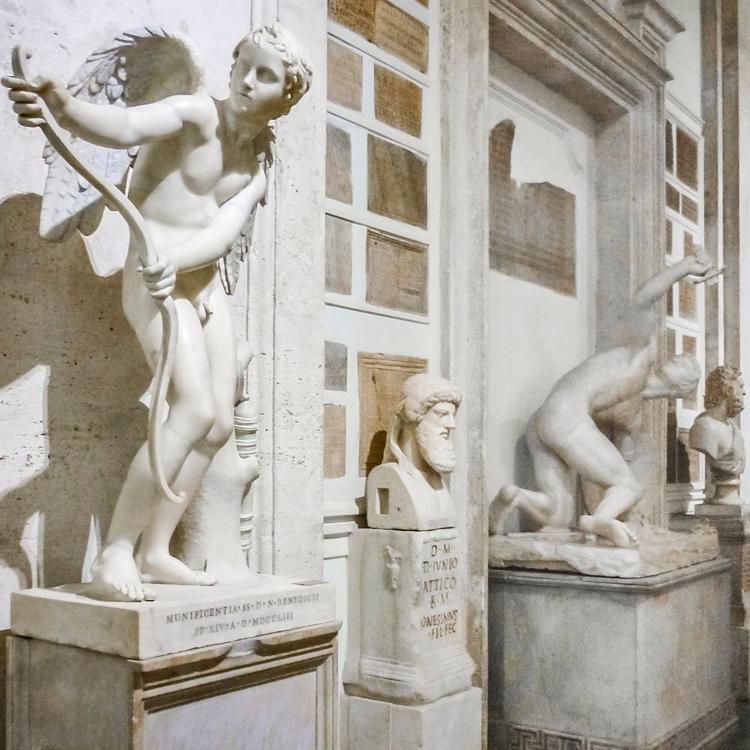
The Capitoline Museums hold a special place in museum history. Opened in the 15th century, they are considered the world’s first public museums, and they remain one of the best places to understand ancient Rome.
This is the museum for travelers interested in history, politics, and the mechanics of Roman power. Sculptures, inscriptions, and portraits are displayed in a way that helps you follow the evolution of Rome from republic to empire. Iconic works appear naturally within the story, rather than as isolated highlights.
Set on Capitoline Hill, the experience also includes extraordinary views over the Roman Forum, making the visit feel deeply connected to the city outside. For many adults seeking context rather than spectacle, this is the most rewarding museum in Rome.
3:00 hours
Private
Capitoline Museums Tour | Private
Discover the secrets of the Capitoline Museums - the world's oldest museum and a repository of ancient Roman artefacts.
Starting from € 455,00 for two
View moreBorghese Gallery: Rome’s most refined art experience
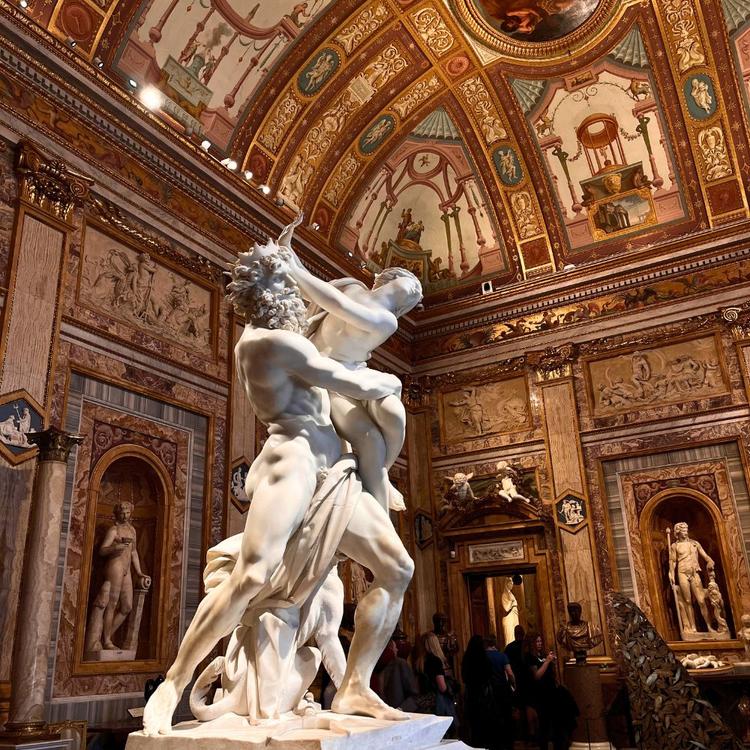
The Borghese Gallery is often described as one of the best art museums in Rome, and for good reason. Unlike larger institutions, this museum is carefully controlled, with limited entry and a clear narrative flow.
Housed in a former villa, the collection feels personal and intentional. Sculptures and paintings are displayed in dialogue with each other, creating a sense of intimacy that is rare in Rome. Masterpieces here truly reward explanation, especially when it comes to sculpture and Baroque art.
Timed entry rules mean planning ahead is essential, but they also guarantee a calmer, more focused visit. For travelers who value quality over quantity, this museum often becomes a highlight of the entire trip.
3:00 hours
Private
Borghese Gallery Guided Tour | Private
Transcend into a world of art in the must-see Borghese Gallery, home to the most enchanting sculptures and lifelike paintings in Rome.
Starting from € 480,00 for two
View moreBest museums in Rome by interest
Every traveler connects with Rome differently. Choosing a museum based on your interests can transform your visit from a checklist item into a meaningful experience.
Best art museums in Rome
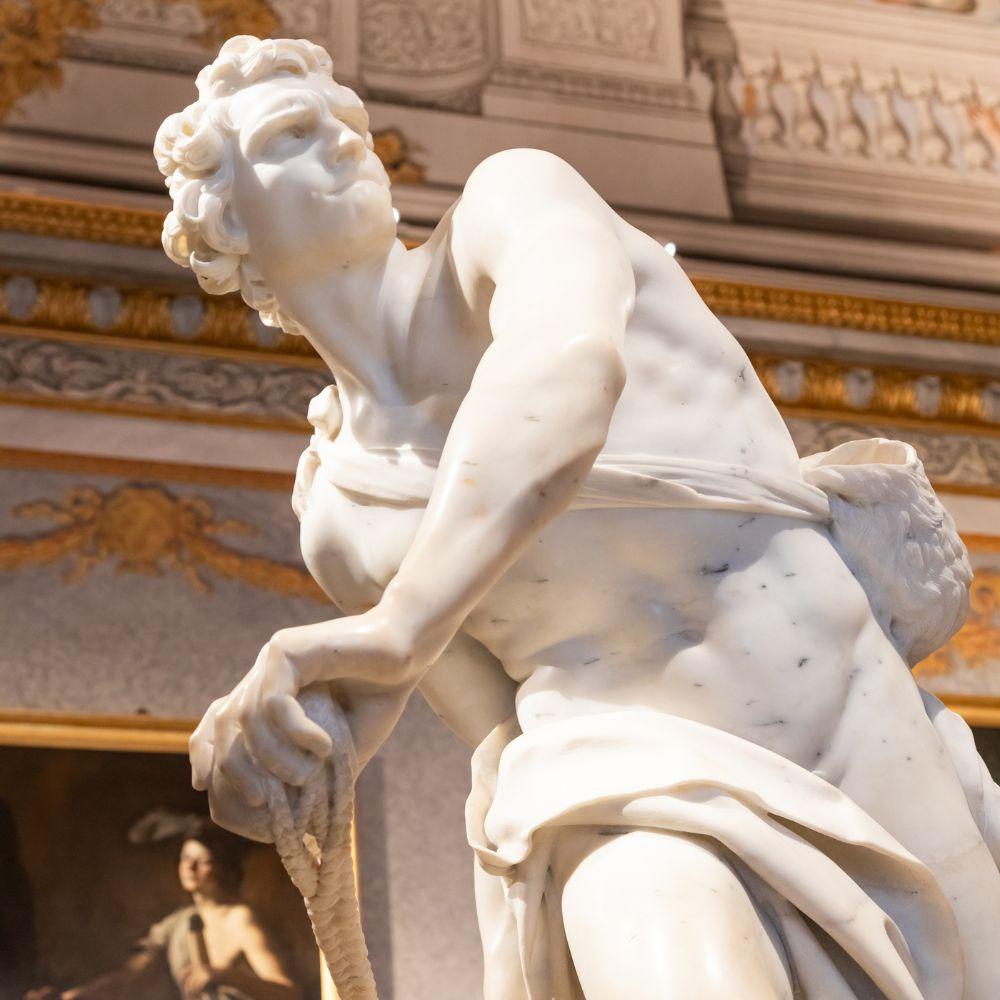
Art lovers are spoiled for choice in Rome, but each major museum serves a different type of visitor. The Vatican Museums are ideal for those who want breadth and world famous names in one visit. The Borghese Gallery suits travelers who prefer a refined, curated experience with time to absorb details. The Capitoline Museums appeal to those interested in classical art within its historical and political context.
Knowing what kind of art experience you enjoy makes all the difference.
Best history museums in Rome
If your goal is to understand Roman civilization, its social structure, and its political evolution, museums focused on ancient history are key. Among them, the Capitoline Museums stand out as the clearest and most comprehensive choice. They do not simply display artifacts, they explain how Rome functioned and why it mattered.
Best free museums in Rome
Searching for the best museums in Rome free is common, and Rome does offer options. Some museums are always free, while others open at no cost on the first Sunday of each month. That said, free does not mean empty or simple. These days are often the busiest.
A strategic approach is essential. Arriving early, choosing lesser known institutions, and keeping expectations realistic can make free museum visits rewarding rather than frustrating.
Is the Da Vinci Museum in Rome worth it?
Many travelers ask whether the Da Vinci Museum is worth visiting. The answer depends on who you are. Visitors interested in hands on exhibits and interactive displays, especially families with older children, may enjoy it. Travelers expecting original masterpieces or deep historical context may find it underwhelming.
It works best as an optional stop, not as a substitute for Rome’s major museums.
How to plan museum visits in Rome
Planning is where most museum visits succeed or fail. In Rome, more is not always better. One major museum per day is usually ideal, allowing time to process what you see and enjoy the city in between.
Guided visits matter more here than in many other cities, because Rome’s museums are narrative spaces. Without context, it is easy to miss why something matters. Booking in advance is essential, especially in peak seasons, and choosing the right time of day can dramatically affect your experience.
Experiencing Rome’s museums with Walks Inside Rome
We believe museums are meant to be understood, not rushed through. Our experiences are led by experts who work inside these museums daily and know how to turn collections into stories.
Whether it is Vatican tours, or small group and private museum experiences, our approach focuses on clarity, pacing, and meaningful connection. For travelers who want to make thoughtful choices, guided visits are a natural continuation of smart planning.
From museums to meaning
There is no single best museum in Rome, only the best one for your trip. Choosing thoughtfully, rather than ticking boxes, leads to richer memories and deeper understanding.
Rome explains itself through its museums. When visited with care, they transform from buildings full of objects into places where the city’s story finally makes sense.
Back to top


