Milions of travelers come to Rome for the Colossuem, the Vatican Museums and the Trevi Fountain. Yet, just steps from the busiest streets of the historic center, one of the city's greatest artistic trasures remains surprisignly quiet.
Doria Pamphilj Gallery to Understand Renaissance Rome
Published on

The Doria Pamphilj Gallery is more than an art museum. It is a noble palace, a private collection and a vivid reminder of how powerful families, artists and popes shaped Rome during and after the Renaissance.
To visit it is to see Rome from the inside: through art, ambition, family history and rooms that still feel connected to the people who created them.
Understanding Renaissance Rome Through the Doria Pamphilj Gallery
Renaissance Rome was a city in transformation. After centuries of change, it became once again a major center of art, politics and culture.
Powerful noble families played a central role in this rebirth. They built palaces, funded churches, commisioned artists and collected masterpieces to show wealth, tase and influence.
For more historical context, you can read our guide to Renaissance Rome. The Doria Pamphilj Gallery, brings that history to life in a direct and memorable way.
Here, Renaissance and Baroque Rome are not abstract ideas. They are visible in the paintings, ceilings, reception rooms and family portraits that fill the palace.

The Noble Families Behind Rome's Renaissance Transformation
Rome was shaped by its great families as much as by its emperors and popes. Aristocratic patronage changed the look and identity of the city.
Families invested in:
- Palaces
- Churches
- Chapels
- Artistic commissions
- Private collections
The Doria and Pamphilj families were part of this world of influence. Through marriage, inheritance and papal connections, they created one of Rome's most important private art collections.
This is why the gallery feels different from a traditional museum. It is not simply a place where artworks are displayed. It is a family palace where art, memory and power still belong to the same story.
Inside the Doria Pamphilj Gallery: What Visitors Can Expect
The Doria Pamphilj Gallery sits in the heart of Rome, on Via del Corso. Outside, the city is busy and fast moving. Inside, everything slows down.
Visitors walk through lavish galleries, frescoed ceilings, mirrors, decorative interioris and elegant reception rooms. The atmosphere is intimate, almost private, as if you had been invited into an aristocratic Roman residence.
The collection is still deeply connected to the history of the family. This gives the visit a personal feeling that many larger museums cannot offer.
Instead of white walls and crowded halls, you find glided rooms, layered paintings and a sense of quiet grandeur. It is one of the best places in Rome to understand how noble families used art to shape their identity.

3:00 hours
Private
Doria Pamphilj Gallery Tour | Private
Discover the treasured collection of Doria Pamphilj: a stunning Renaissance palace in the beating heart of Rome’s historic center.
Starting from € 450,00 for two
View moreMasterpieces that Reveal the Ambition of Renaissance and Baroque Rome
The Doria Pamphilj Gallery is home to extraordinary works by some of the most important artists in European art.
Its most famous masterpiece is Velázquez’s Portrait of Pope Innocent X. The pope was born Giovanni Battista Pamphilj, and his portrait is one of the most powerful images of papal authority ever painted.
Visitors can also admire works connected to Raphael, Titian, Caravaggio and Bernini. These artists help tell the story of Rome as a city where beauty, faith and politics were closely connected.
Caravaggio's dramatic light, Raphael's harmony, Titian's color and Velázquez’s psychological intensity all reveal different sides of Rome's artistic transformation.
The Gallery is not only about seeing famous names. It is about understanding why art mattered so much in Renaissance and Baroque Rome.
What to See Inside the Doria Pamphilj Gallery
If you are wondering what to see inside the Doria Pamphilj Gallery, start with Velázquez’s Portrait of Pope Innocent X.
Then take time to notice the wider setting. Look at the ceilings, mirrors, family portraits, religious paintings and decorative details.
The beauty of the gallery lies in the relationship between the artworks and the palace itself. Every room helps tell the story of a family that used art to express power, taste and legacy.

Why the Doria Pamphilj Gallery is One of Rome's Best Kept Secrets
Rome's most famous attractions can be crowded, especially during high season. The Doria Pamphilj Gallery offers a different experience.
It is central, beautiful and full of masterpieces, but often much quieter than the Vatican Museums or the Colosseum. This makes it ideal for travelers who want to enjoy great art without feeling rushed.
The gallery also offers a meaningful alternative to overturism in Rome. Visiting lesser know cultural sites does not mean choosing something less important.
In this case, it means discovering one of the finest private collections in the city, with more space to look, listen and enjoy.
Why a Guided tour Makes a Difference at the Doria Pamphilj Gallery
The Doria Pamphilj Gallery is visually stunning, but its stories are not always obvious at first glance.
A guide helps reveal the meaning behind the collection: family rivalries, papal history, political influence, religious symbolism and the connections between individual masterpieces and the development of Rome.
With expert storytelling, the visit becomes much richer. The palace rooms become evidence of how noble families shaped the city.
A guided tour turns a beautiful visit into a deeper understanding of Renaissance Rome.
Private and Semi Private Tours for a More Personal Experience
The Gallery is especially suited to private and semi private tours. Its atmosphere rewards attention, conversation and a slower pace.
A private tour offers a fully personalized experience. It is ideal for families, couples and art lovers who want flexible timing, tailored explanations and space to ask questions.
A semi private tours offers a similar sense of comfort in a small group. It allows for better interaction with the guide and a more relaxed rhythm than a large group visit.
Both options work beautifully in a palace like this, where details matter and every room has a story.
What to See Near the Doria Pamphilj Gallery
The Doria Pamphilj is perfect located for exploring more of Renaissance and Baroque Rome on foot.
Nearby, visitors can continue to:
- San Luigi dei Francesi
- The Pantheon
- Piazza Navona
- Campo de Fiori
- Santa Maria sopra Minerva
- Sant'Ivo alla Sapienza
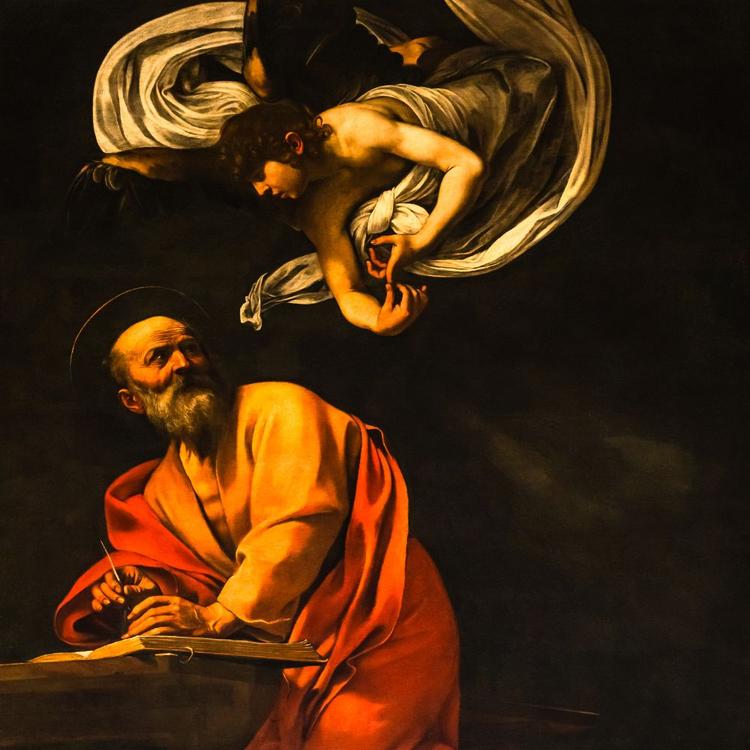
San Luigi dei Francesi is especially important for art lovers, as it houses Caravaggio's famous Saint Matthew paintings.
The Walks Inside Rome Doria Pamphilj Gallery Tour cotinues to San luigi dei Francesi, connecting the private world of the palace with Caravaggio's public masterpieces in a Roman church.
4:00 hours
Private
In the Footsteps of Caravaggio | Private
Follow in the footsteps of one of the world's most impressive painters, and be guided through the history of baroque art, and his own brief and tumultuous life.
Starting from € 612,00 for two
View moreDiscovering Renaissance Rome Beyond the Crowds
The Gallery offers world class art, historic rooms and a quieter atmosphere than many of Rome's busiest attractions. For travelers who want to go beyond the usual checklist, it is one of the most rewarding places to visit.
With Walks Inside Rome, you can explore the gallery with an expert guide and continue the story at San Luigi dei Francesi, where Caravaggio's masterpieces add another layer to the experience.
Discover our Doria Pamphilj Gallery Tour and experience Renaissance Rome through private or semi private tours deisgned for travelers who want more than a quick museum visit.

Written by
Salvatore Barberi
Salvatore Barberi is the Co-Founder of Walks Inside Rome & Italy, and a travel industry professional with more than 25 years of experience creating memorable journeys throughout Italy. His expertise spans private tours, tailor-made travel, cultural experiences, and Italian food and lifestyle. Over the years, he has developed a deep understanding of what makes a journey through Italy truly meaningful, combining local knowledge, attention to detail, and a strong focus on authentic experiences.
Back to top


