Florence can be deceptive when you first look at a map. The historic center is compact; many famous landmarks sit within walking distance, and it is easy to imagine that one day might be enough.
How Many Days Do You Need in Florence? A Complete Travel Guide
Published on
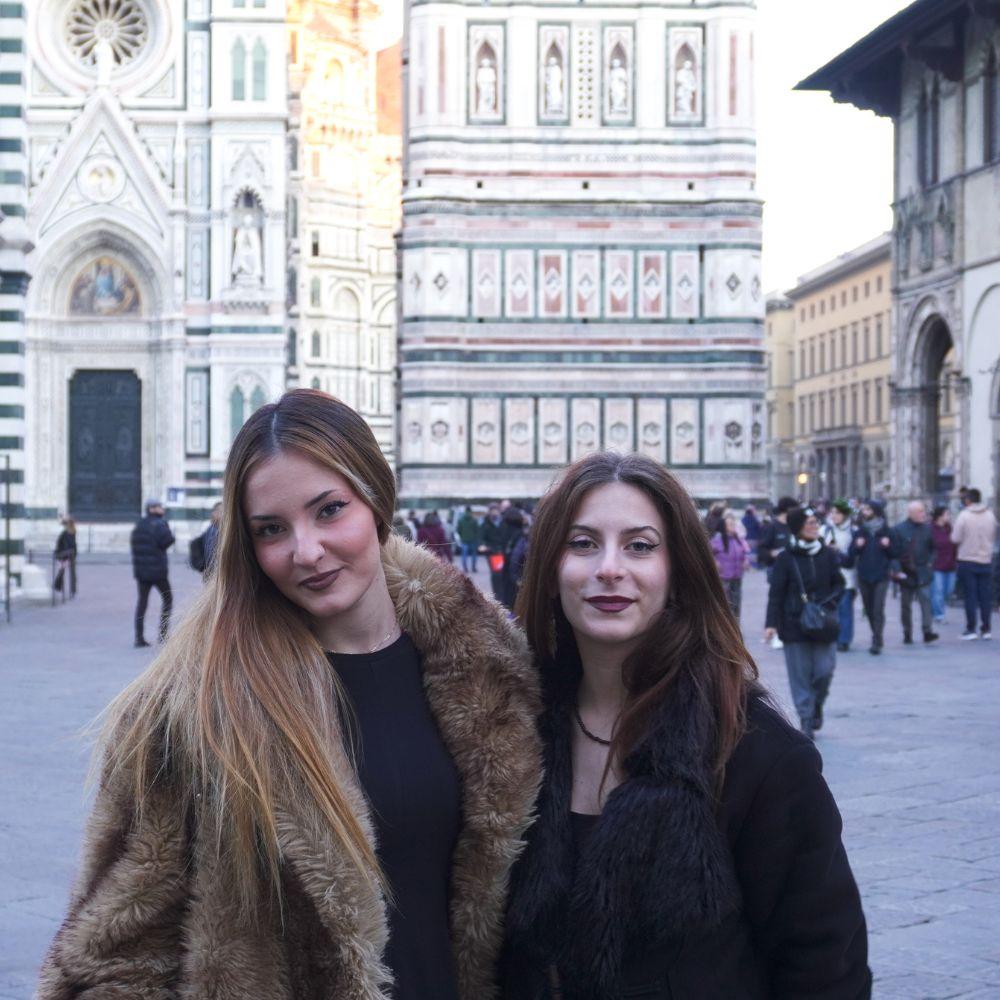
Then you arrive. There is Michelangelo's David, Botticelli at the Uffizi, Brunelleschi's dome rising above terracotta rooftops, centuries-old churches, artisan workshops across the Arno, and more than enough Tuscan food to make rushing feel like a mistake.
So, how many days do you need in Florence? For most first-time visitors, two or three days in Florence offer the best balance between seeing the major sights and enjoying the city beyond its most famous landmarks.
One day works for a highlights-focused visit. Two days cover the essentials. Three days allow for a slower pace, while longer stays make Florence an excellent base for exploring Tuscany.
How many days do you need in Florence?
The right amount of time depends on what you want from the city. Some travelers come mainly for Renaissance art, others for food, shopping, architecture or simply the atmosphere of one of Italy's most beautiful historic centers.
As a general rule, think of one day as an introduction, two days as the essentials, and three days as the most balanced first visit.
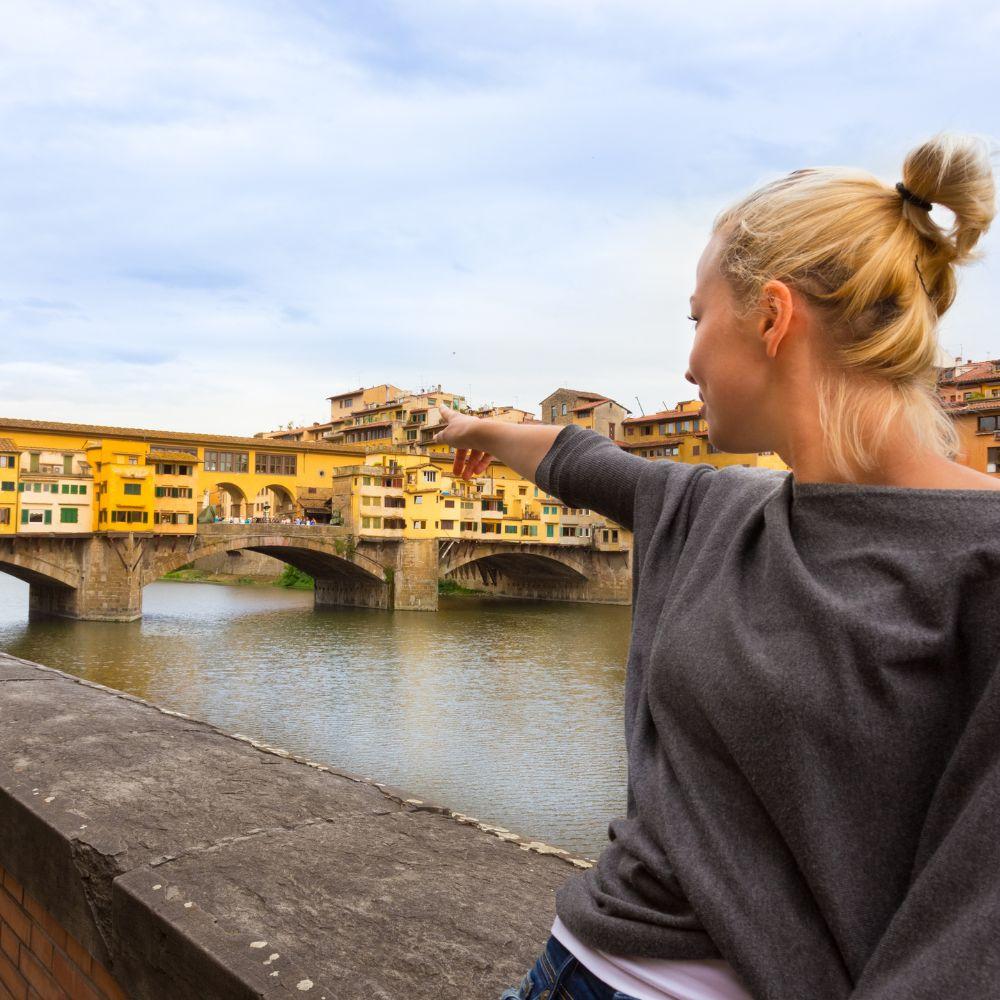
One day in Florence: the highlights
A day in Florence can be very rewarding if you plan carefully and reserve major attractions in advance. The compact city center makes it possible to see several landmarks without losing too much time moving from one area to another.
The key is accepting that you will need to choose.
In one day, you can realistically experience:
- Florence Cathedral and Piazza del Duomo
- The historic center
- Piazza della Signoria
- One major museum
- Ponte Vecchio
- A taste of Florentine food
- A viewpoint, if time allows
A practical route could be:
Duomo → historic center → Piazza della Signoria → Uffizi Gallery or Accademia Gallery → Ponte Vecchio → Oltrarno
The trade-off is simple: one day is enough to see Florence, but not enough to explore it in depth.
If you want to cover several of these landmarks efficiently, our Private Orientation Tour of Florence can help put the city's main monuments into context while moving through its historic center.
You will experience the city's best-known attractions, but probably miss the slower pleasures: lingering over lunch, browsing workshops, entering a church that catches your eye, or returning to the Arno as the evening light changes.
If you only have 24 hours, our guide to Florence in One Day: The perfect itinerary for first-time visitors offers a more detailed route.
Two days in Florence: the essentials
Is 2 days enough for Florence? Yes. For many first time visitors, two days are enough to experience the main sights and several of the city's most important cultural attractions.
Two days also make the trip much easier to pace. Instead of squeezing the Duomo, David, Botticelli and Ponte Vecchio into one intense schedule, you can divide Florence into areas and give its art more a attention.
A simple two-day Florence itinerary could look like this:
Day 1:
- Piazza del Duomo and the Cathedral complex
- Historic center
- Piazza della Signoria
- Ponte Vecchio
- Oltrarno
Day 2:
- Uffizi Gallery or Accademia Gallery
- Additional churches or museums
- A Florentine food experience
- More time in local neighborhoods
The main advantage over a one-day visit is that Florence stops feeling like a sequence of timed stops.
You can dedicate several hours to Renaissance art without sacrificing the pleasure of walking along the Arno, having an aperitivo, or sitting down for a proper Tuscan meal.
Travelers who want to visit several hours to Renaissance art without sacrificing the pleasure of walking along the Arno, having an aperitivo, or sitting down for a proper Tuscan meal.
Travelers who want to visit several museums, shop, join a food experience, or add a Tuscany day trip may still prefer three or more days.
Three days in Florence: the ideal pace for many travelers
Is 3 days too long in Florence? For most travelers, no. Three days often provide the best rhythm for a first visit because there is enough time for the major landmarks without making every day feel tightly scheduled.
You can see the Florence you came for while also discovering the city between in monuments.
A three-day itinerary could be organized like this:
Day 1: Historic Florence and the Duomo
Explore Piazza del Duomo, the Cathedral complex, and the streets connecting Florence's medieval and Renaissance center. Continue through Piazza della Signoria and toward the Arno.
Day 2: Renaissance art and museums
Visit the Uffizi Gallery, the Accademia or another museum that matches your interests. This is also a good opportunity to discover the Medici story and the cultural forces that shaped Renaissance Florence.
Day 3: Oltrarno, food and viewpoints
Cross Ponte Vecchio, spend time around Santo Spirito, browse artisan workshops, and leave space for a leisurely lunch. Later, head toward one of Florence's panoramic viewpoints.
The third day can also include shopping , whether you are interested in leather, jewelry, fashion or locally made pieces.
This is where the difference between seeing Florence and experiencing Florence becomes clearer. You have time to revisit neighborhoods, enjoy the city at different times of day and occasionally follow a street without knowing exactly where it leads.
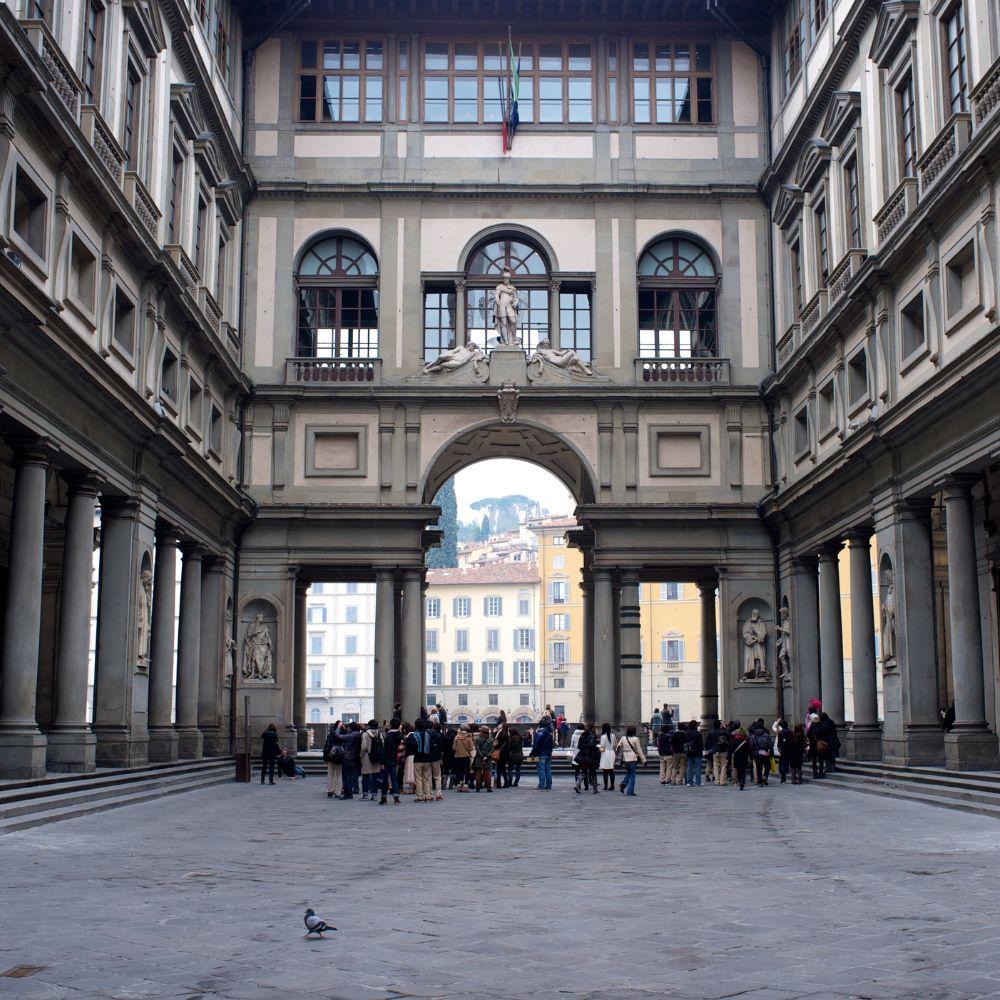
Four or more days in Florence
Four days or longer suits travelers who enjoy slow travel or have a strong interest in art, food, fashion and Tuscany. There is enough cultural depth in Florence to fill the time, but you no longer need to spend every day moving between major attractions.
After three days, the question becomes less "What else must i see?" and more "How would i like to spend my time?"
With four or more days, you can:
- Explore smaller museums and churches
- Visit artisan workshops
- Spend more time shopping
- Join a cooking or food experience
- Enjoy slower mornings and evenings
- Take one or more day trips into Tuscany
Florence is also a convenient base for exploring the surrounding countryside. A day in the Chianti hills can take you from Renaissance palaces to vineyards, stone farmhouses and cypress lined roads in just a few hours.
For travelers dreaming of the Tuscany seen in films, magazines and travel photography, this extra day can become one of the highlights of the trip.
Is Florence a walkable city?
Yes, Florence is one of Italy's most walkable major destinations. Many of its known sights are concentrated within the historic center, which makes a short stay easier to manage.
However, short distances do not mean that every attraction can be squeezed comfortably into a single day.
The Duomo, Piazza della Signoria, Uffizi Gallery, and Ponte Vecchio are relatively close together. Cross the Arno and you quickly reach the Oltrarno, home to Palazzo Pitti, Santo Spirito, and streets still associated with traditional craftsmanship.
Walking is also part of the experience. Florence often reveals itself between the places on your itinerary: a fresco glimpsed through an open doorway, a historic wine window, a small piazza or an unexpected view of the dome above the rooftops.
Staying centrally is particularly useful if you only have one or two days.
If you do need public transportation, especially for accommodations outside the historic center, Florence's buses are operated by Autolinee Toscane. Its website and app allow travelers to check routes, service information, and ticket options.
The city's tram network can also be useful when arriving from Florence Airport or traveling beyond the historic center. Current routes, timetables, and ticket information are available through the Florence tramway official website.
Still, remember that museums can take several hours, reservations may be timed and popular attractions can involve queues. The fact that two landmarks are ten minutes apart does not mean they require only ten minutes of your day.
How Many Days in Florence for Art Lovers?
Travelers coming primarily for Renaissance art and architecture should consider at least three days in Florence. Few cities have such a concentration of internationally important artworks within such a small area.
The extra time is not simply about adding more museums. It helps prevent museum fatigue.
The Uffizi can easily occupy several hours, particularly if you want to understand the progression from medieval painting to Botticelli, Leonardo and the mature Renaissance rather than simply locating the most famous works.
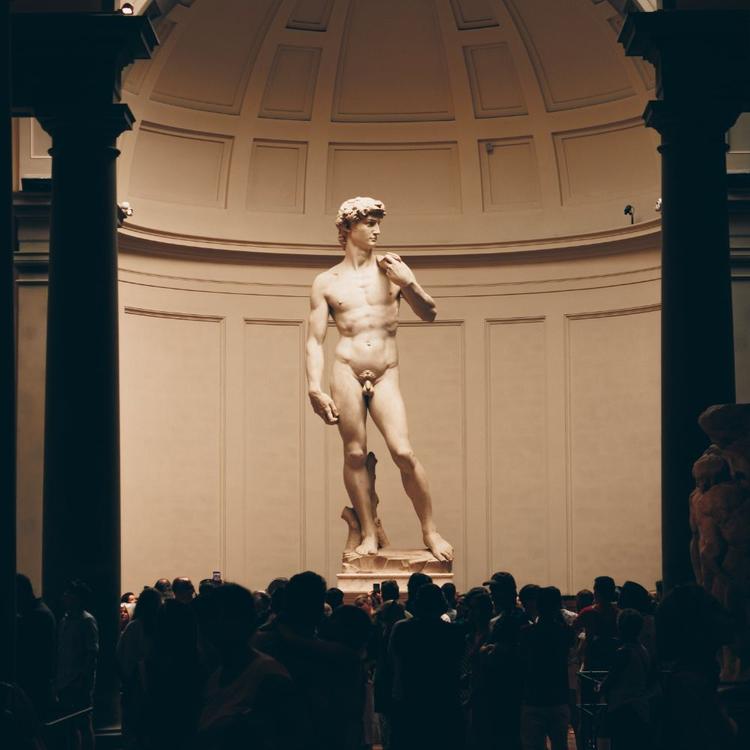
Then there is Michelangelo's David at the Accademia, the Duomo complex, Palazzo Vecchio, the Medici Chapels and churches such as Santa Croce and Santa Maria Novella.
These sites tell different parts of the same story: religion, political rivalry, wealthy families and artistic experimentation gradually transforming Florence into the city that became synonymous with the Renaissance.
Travelers especially interested in Michelangelo can choose our Florence Orientation Tour with Accademia Gallery, combining David with an introduction to the historic center.
Three days make it possible to spread these visits across the trip rather than moving directly from one museum to another.
Serious art lovers could easily justify a fourth day for smaller museums, churches and collections that many short itineraries overlook.
4:00 hours
Private
Orientation Tour of Florence with Accademia Gallery | Private
Explore Florence’s perfectly preserved historical center and condense its unrivalled collection of artworks into a day of cultural discovery.
Starting from € 587,00 for two
View moreHow Many Days in Florence for Food and Local Experiences
Travelers interested in Tuscan food, wine and local life should also consider at least two days, with three offering a noticeably more relaxed experience.
The extra time means meals no longer have to be fitted between museum reservations. They can become part of the trip.
Florence offers traditional markets, trattorie, wine bars, historic cafés and dishes that deserve more than a rushed lunch. Fresh pasta, ribollita, pappa al pomodoro or bistecca alla Fiorentina are much easier to enjoy when your next timed entrance is not twenty minutes away.
With two or three days, you can also include experiences such as:
- Food markets
- Cooking classes
- Tuscan wine tastings
- Artisan workshops
- Neighborhood walks
- Aperitivo in Oltrarno
- Longer lunches and dinners
For visitors who want food to become part of their exploration rather than simply a break between landmarks, the Walks Inside Rome's Florence Food Tour introduces the city's flavors alongside its streets, markets and local food culture.
These experiences help balance Florence's monumental side with the rhythms of contemporary city life.
For many travelers, they also become some of the most memorable parts of the visit.

3:00 hours
Private
Florence Food Tour | Private
Discover Florence's flavors with our food tour. Explore local markets and eateries, sampling authentic Tuscan dishes . Let our guides lead you through a delicious journey of the city's culinary highlights.
Starting from € 540,00 for two
View moreHow many days in Florence for first-time visitors?
For a first trip, the ideal length depends mainly on your pace and priorities. Travelers visiting several Italian cities may be happy with two days, while those interested in culture, food and slower exploration will probably appreciate a third.
This simple overview can help you decide.
- 1 day: Best for Highlights; What you can do: Historic center, one major museum and key landmarks
- 2 days: Best for first-time essentials; What you can do: Major sights, museums and neighborhoods
- 3 days: Best for a relaxed first visit; What you can do: Culture, food, neighborhoods and viewpoints
- 4+ days: best for slow travel or Tuscany base; What you can do: Deeper Florence, museums and day trips
For most first-time visitors, two or three days in Florence is the sweet spot.
Choose two if Florence is one stop within a wider Italy itinerary and you are happy to plan major visits in advance.
Choose three if you want the museums and postcard views but also enough time for shopping, a long lunch, Oltrarno, and a few hours without a strict schedule.

How many days should you spend in Florence?
The answer ultimately depends less on the number of attractions and more on how you prefer to travel. Florence can fit into one intense day, but it can also fill several days without becoming repetitive.
The simplest way to decide is:
- 1 day: enough for a first taste and the major highlights
- 2 days: ideal for first-time visitors who want the essentials
- 3 days: better for a relaxed and more complete Florence experience
- 4+ days: best for deeper exploration, slow travel, or Tuscany day trips
For most travelers, two or three days give Florence enough time to feel like a destination rather than simply a stop between other Italian cities.
If your itinerary allows a third day, it is usually worth taking it. Florence tends to reward the moments that were not carefully scheduled just as much as the time spent in front of David or beneath Brunelleschi's dome.
Make the most of your time in Florence with a local guide
Florence concentrates an extraordinary amount of history, art and architecture within a relatively small area. That makes the city easy to explore, but it can also make its story difficult to piece together when every palace, church and piazza seems to belong to a different chapter.
A knowledgeable local guide can help connect those chapters, particularly when your time is limited.
A guided experience can help you:
- Understand the Renaissance context behind major monuments
- Connect individual artworks with Florence's wider history
- Discover the influence of the Medici family
- Prioritize the sites that best match your interests
- Notice details and stories that are easy to miss independently
This can be particularly useful inside collections such as the Uffizi or while exploring the historic center, where art, politics, religion, and family history overlap within a few streets.
Explore the Florence tours and experiences by Walks Inside Rome to discover the city with an expert local guide and shape your visit around the art, history and stories that interest you most.
Whether Florence gets one day or four, understainding what you are seeing can make those days considerably more memorable.

Written by
Salvatore Barberi
Salvatore Barberi is the Co-Founder of Walks Inside Rome & Italy, and a travel industry professional with more than 25 years of experience creating memorable journeys throughout Italy. His expertise spans private tours, tailor-made travel, cultural experiences, and Italian food and lifestyle. Over the years, he has developed a deep understanding of what makes a journey through Italy truly meaningful, combining local knowledge, attention to detail, and a strong focus on authentic experiences.
Back to top


