You arrive at the Colosseum with your tickets ready, camera charged, sunscreen on, and that first glimpse of ancient Rome right in front of you. Then you see the line. Around you, tour groups gather, guides raise flags, families search for the right entrance, and the Roman sun turns the waiting game into part of the day.
How to Avoid Crowds in Rome Even in High Season: Our Local Strategies
Published on
Or maybe it happens inside the Vatican Museums, where the beauty is overwhelming, but so are the packed corridors, the slow shuffle toward the Sistine Chapel, and the feeling that everyone in Rome had the exact same idea at the exact same time.
Crowds are part of Rome, especially in high season. But they do not have to define your trip. As local guides, we work around them every day. We know when the city breathes, where the bottlenecks form, which entrances move faster, and how to shape an itinerary so Rome feels less like a checklist and more like a place you can actually experience.
In this guide, we are sharing the strategies we use to help travelers avoid crowds in Rome, even during the buesies months of the year.
Is Rome Always Crowded in High Season?
Rome is one of the most visited cities in Europe, so yes, high season can feel busy. But "busy" does not mean every street, piazza, museum, and monument is crowded all day long.
The real secret is understanding that Rome's crowds are predictable. They gather in specific places, at specific times, and often follow the same routes. Once you know the pattern, you can move differently.
High season in Rome usually runs from spring through early summer, then returns strongly in fall. April, May, June, September, and October are especially popular because the weather is pleasant and many travelers want to avoid the deepest heat of july and August. Summer still brings major crowds, especially around the Colosseum, Vatican Museums, Trevi Fountain, Pantheon, Spanish Steps, and the historic center.
So, how busy is Rome in summer? Very busy in the most famous areas, especially from late morning through mid afternoon. But Rome is not uniformly crowded. A packed Vatican corridor at 11:00 AM does not mean the Aventine Hill, a quiet church, a side street in Monyi, or a shaded corner of the Roman Forum feels the same way.
The difference matters. There is inevitable popularity, and then there is avoidable congestion. The goal is not to find an empty Rome, but experience Rome with better timing, better flow, and less friction.
How We Avoid Crowds in Rome: Insider Strategies from Local Guides
Avoiding crowds in Rome is not about one magic ticket or one secret entrance. It is about how the entire day is designed.
When we plan a tour, we think about movement, light, heat, opening times, security lines, group rhythm, neighborhood transitions, and where thousands of other visitors are likely to be at the same moment. That is where local experience makes the difference.
Timing Beyond the Obvius
Everyone has heard the advice to "go early". It is not wrong, but it is not enough.
For places like the Vatican Museums, timing ismore nuanced. The best time to visit Vatican Museums depends on the season, the day of the week, and the type of experience you want. Early access can be excellent because it places you ahead of the largest wave of visitors. Late entry can also work well, especially when the energy inside begins to soften and many day trippers have already moved on.
For a deeper guide to planning your Vatican visit, see our dedicated article on the best time to visit Vatican Museums.
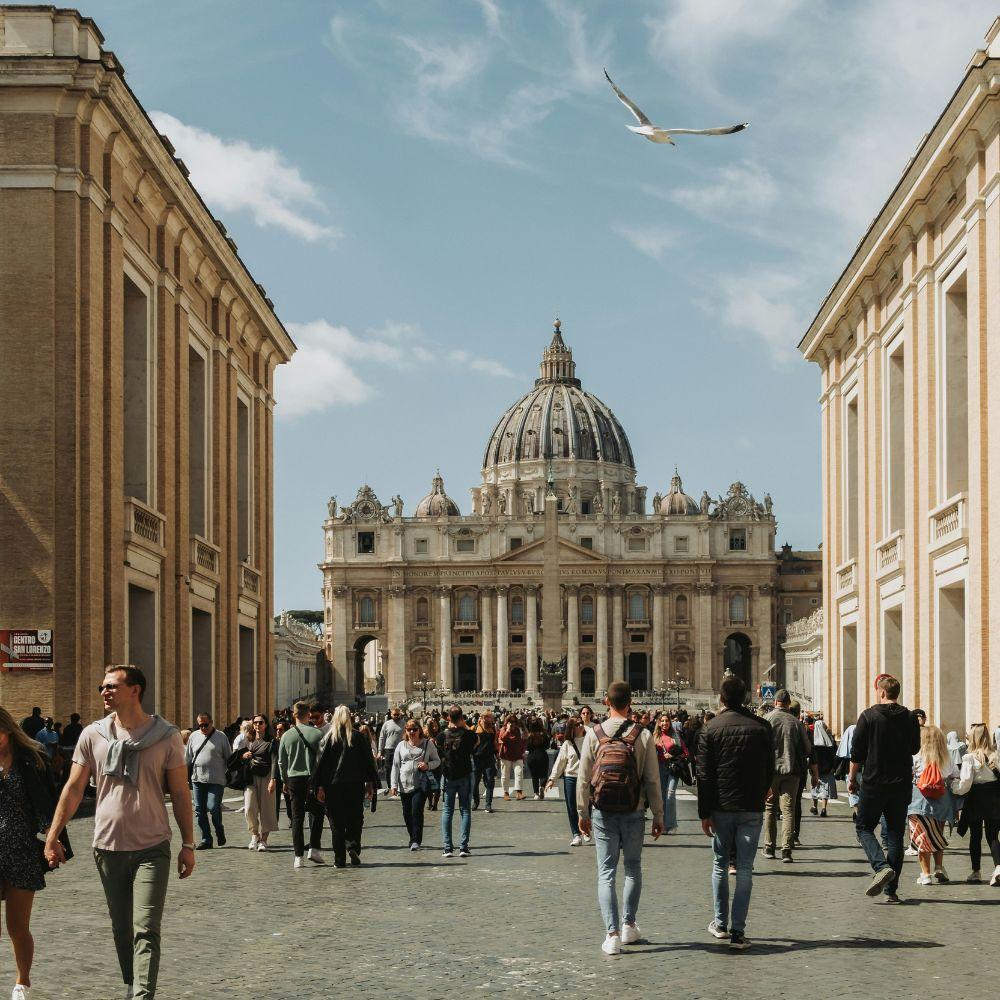
St. Peter's Basilica requires its own strategy. First entry slots matter because the basilica can become one of the most congested places in the city once general visitor flow builds. Arriving at the right time can change the whole feeling of the visit, from standing in a slow security line to stepping into one of the world's most extraordinary churches with space to look up, pause, and take it in.
Midweek visits can also help. Tuesdays, Wednesdays, and Thursdays often offer more manageable conditions than Mondays, Fridays, and Saturdays, although this can be change with holidays, papal events, school breaks, and cruise ship schedules.
The point is simple: good timing is not just early timing. It is infomred timing.

3:00 hours
Small Group
Early Morning Vatican & Sistine Chapel Tour with St.Peter's Basilica Access | Small Group
First Entrance experience: enjoy a complete tour of the Vatican. Visit the Sistine Chapel and the Vatican Museums, then take your time to experience the St. Peter's Basilica on your own.
Starting from € 175,00
View moreDesigning Smarter Routes
Most visitors think about Rome as a list of landmarks. Guides think about Rome as a sequence.
That sequence changes everything.
A standard itinerary might move in the same direction as everyone else, hitting major points in the most obvious order. A smarter route may reverse the flowm start from a less crowded entrance, delay the busiest viewpoint, or connect sites in a way that avoid unnecessary backtracking.
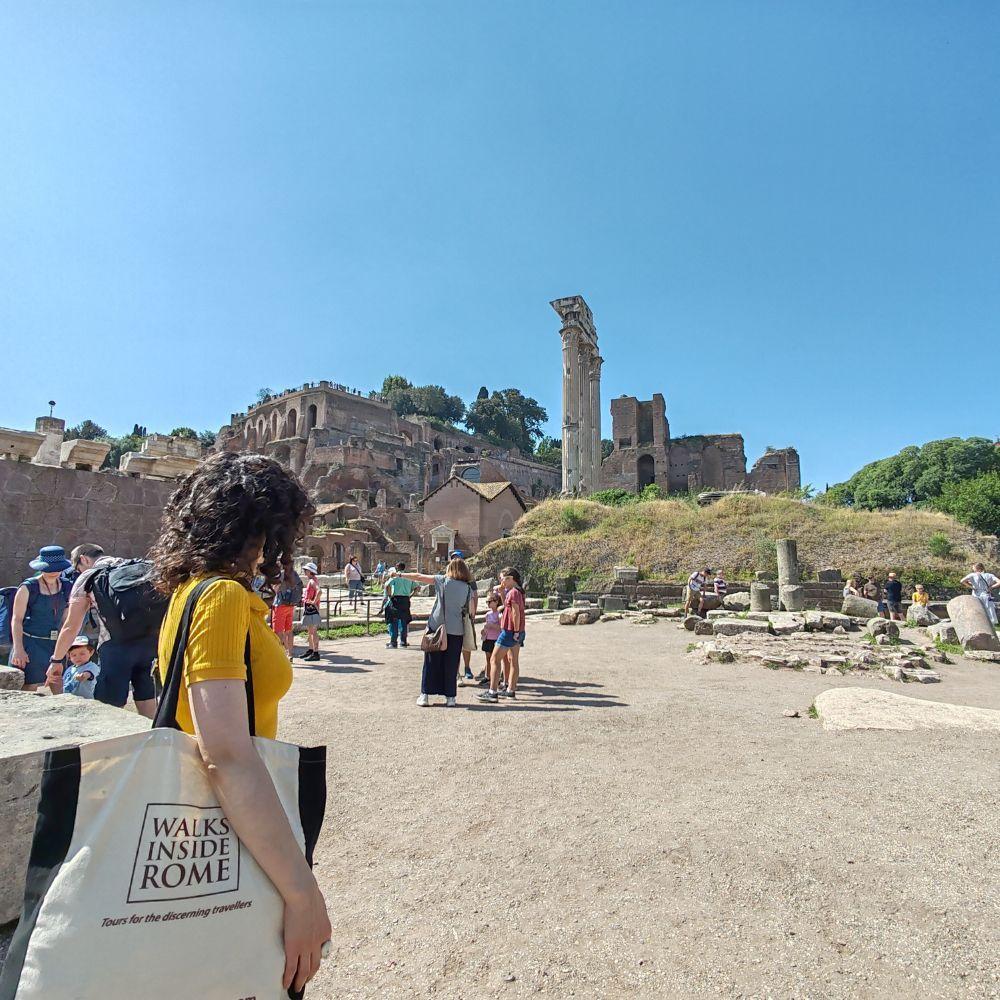
Take the Roman Forum, for example. Many travelers see it as an add on to the Colosseum, but the way you enter, move through, and exit the archaeological area can completely change the experience. A well structured route helps you avoid bottlenecks and understand how the forum, Palatine Hill, and Colosseu, connect historically and physically.
You can read more in our guide to the Roman Forum.
This is where expert guiding becomes more than storytelling. It is about flow. The best route is not always the shortest route. It is the route that gives you space, context, comfort and momentum.
Using the Quiet Windows of the Day
Rome has quiet windows, even in high season. They are not always long, and they are not always obvious, but they exist.
Early morning is one of the best times to experience the city's most famous outdoor landmarks. This is why Rome early morning tours can be so rewarding. The Trevi Fountain, for example, feels completely different before the full daytime crowd arrives. The sound of the water is clearer, the marble glows softly, and the piazza feels more like a real Roman space than a photo stop.
For more details, see our guide to visiting the Trevi Fountain.
Late afternoon can also work beautifully, especially in warmer months. As the strongest heat begins to fade, some museum corridors empty slightly, walking routes become more comfortable, and the golden Roman light adds a cinematic quality to the city.
Seasonal light matters too. In summer, early morning and late afternoon are not only less crowded, they are often more pleasant. In spring and fall, the softer daylight gives you more flexibility, especially for walking tours, neighborhood explorations, and family itineraries.
Why Most Ticket Strategies Fail
A common question travelers ask is: is skip the line Rome worth it?
The honest answer is yes, but only if it is part of a smarter plan.
Skip the line tickets can help you avoid the general ticket purchase line, which is valuabe at major attractions. But they do not make the site empty. They do not remove security checks. They do not control what happens once you are inside. They do not prevent you from enetering the Vatican Museums at the same time of other visitors.
This is the gap between entry and experience.
You can have priority access and still feel crowded. You can enter quickly and then get stuck in the same corridor, follow the same route, or arrive at the Sistine Chapel during peak compression.
Tickets solve one problem: getting in. Good planning solves the bigger problem: how the visit feels once you are there.

Why Guided Tours are the Most Effective Way to Avoid Crowds
A guide does not just explain Rome. A great guide actively manages your experience of it.
This is one of the biggest Rome guide tours benefits, especially in high season. With the right guide, you are not only hearing stories about emperors, artists, popes, and ancient streets. You are moving through the city with someone who understands timing, crowd behavior, entrances, shortcuts, pacing, and when to pause or keep going.
Priority acess helps. Optimized timing helps more. Real time flexibility helps most of all.
If a particular area is congested, a guide can adjust the order. If the group needs shade, water, or a slower pace, the route can adapt. If one entrance is moving better than another, a local guide knows how to respond. That kind of flexibility is difficult to recreate when you are navigating alone in a city you do not know well.
Guided tours also make navigation more efficient. Rome is layered, beautiful, and complicated. The distance between two sites may look simple on a map, but the experience on the ground can include uneven streets, security lines, confusing entrances, heat, crowds, and limited signage. A guide removes much of that friction.
The result is not just a more informative visit. It is a smoother one.
Private and Semi Private Tours: What Make the Difference?
When comparing Rome private tours vs group tours, the main different is not only comfort, but also the movement.
Smaller groups move faster, gather more easily, hear the guide better, and adapt more smoothly when the city gets busy. In high season, that can make a major difference.
Private tours offer the highest level of flexibility. Your guide can shape the pace around your interests, travel style, children, mobility needs, heat tolerance, and timing priorities. If you want to spend more time in the Roman Forum and less time in a crowded museum wing, that can happen. If you prefer a quieter afternoon in a local neighborhood after a major morning site, the itinerary can reflect that.
Semi private tours offer a strong balance. You still benefit froma smaller group dynamic, better access to the guide, and a more personal atmosphere, while sharing the experience with a limited number of travelers.
This is especially useful for Americans visiting Rome for the first time, because it keeps the day structured without making it feel rigid. You get the confidence of expert planning, but the experience still feels human, relaxed, and connected.
Planning Your Rome Itinerary in High Season
A good high season itinerary its about doing thins in the right order.
The biggest mistake travelers make is placing too many major sites into the same day without considering timing, distance, heat or crowd patterns. Rome rewards curiosity, but it punishes overplanning.
A smart day often starts with a flagship site in the morning. That might be the Colosseum, Vatican Museums, St. Peter's Basilica, or the Galleria Borghese. These are the places that require the most advance planning and the most careful timing.
The afternoon should usually be lighter. This is the moment for a quieter neighborhood, a food tour, a shaded walking route, a church visit, a private transfer between areas, or a slwer exploration of places like the Aventine Hill, Testaccio, Trastevere, Monti or Jewish Ghetto.
For high season, we recommend booking major experiences well in advance, especially:
- Vatican Museums and Sistine Chapel
- Colosseum, Roman Forum, and Palatine Hill
- Borghese Gallery
- St. Peter's Basilica focused tours
- Private Family tours
- Food tours in popular neighborhood
- Custome Rome itineraries with limited availability guides
If you are visiting in spring, early summer, or fall, do not wait until the last minute for key tickets or guided experiences. The best time slots are often the first to disappear.
A balanced Rome itinerary might look like this:
- Morning: major archaeological or museum site with priority acess
- Lunch: reserved table away from the most tourist heavy streets
- Afternoon: quieter neighborhood, church, garden, or local experience
- Evening: scenic walk, food tour, or relaxed piazza time
This structure gives the day shape without making it feel rushed. It also helps you avoid the most exhausting version of Rome: standing in lines, cross the city repeatedly, and arriving everywhere at peak crowd time.
3:00 hours
Private
Early Morning Vatican Tour & Sistine Chapel | Private
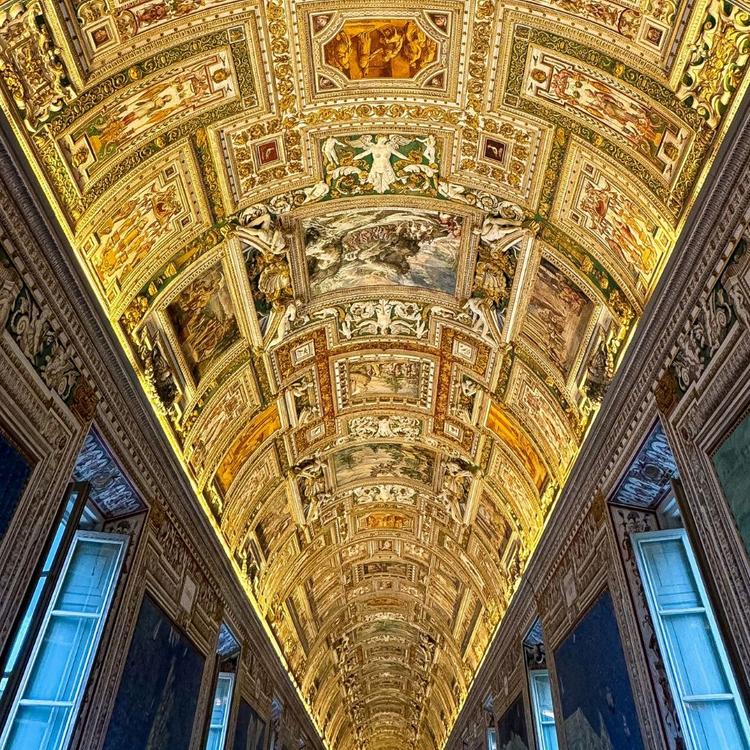
Fully immerse yourself in the Vatican's vast collection through this classic Vatican tour. Stepping straight inside the Vatican Museums with timed, skip-the-line tickets, your clients will nourish themselves with the knowledge of their private guide, who will condense the Vatican's highlights into a manageable three or four hours. Among the masterpieces they will encounter are the Raphael Rooms, Laocoon Statue, and Michelangelo's masterpiece: the Sistine Chapel.
Starting from € 514,00 for two
View moreExperience Rome Differently
Rome in high season can be intense. It can be hot, crowded, noisy, and full of travelers trying to see the same masterpieces you came to see.
But it can also feel personal, immersive, and surprisingly quiet when approaced the right way.
You might stand inside the Colosseum before the day reaches full speed. You might walk through the Roman Forum along a route that lets ancient Rome unfold gradually. You might see the Trevi Fountain in the soft morning light, hear your guide bring the Vatican to life without feeling lost in the crowd, or spend an afternoon in a neighborhood where Roman daily life still sets the rhythm.
Thst is the difference between visiting Rome and experiencing Rome with intention.
At Walks Inside Rome, these are the strategies we use every day: smarter timing, thoughtful routes, smaller groups, local flexibility, and guides who know how the city actually moves. Our private and semi private tours are designed to reduce friction, create breathing room, and help you enjoy Rome with more ease, even in the busiest months of the year.
Crowds may be part of Rome. But with the right guide, the right timing, and the right itinerary, they do not have to be the part you remember most.

Written by
Salvatore Barberi
Salvatore Barberi is the Co-Founder of Walks Inside Rome & Italy, and a travel industry professional with more than 25 years of experience creating memorable journeys throughout Italy. His expertise spans private tours, tailor-made travel, cultural experiences, and Italian food and lifestyle. Over the years, he has developed a deep understanding of what makes a journey through Italy truly meaningful, combining local knowledge, attention to detail, and a strong focus on authentic experiences.
Back to top


