You don't need an expensive camera or professional photography skills to capture the beauty of Rome. Sometimes, all it takes is a smartphone, a little curiosity, and the willingness to look at a familiar place from a different perspective.
Rome Photography Tips: How to See Rome Beyond Postcards
Published on
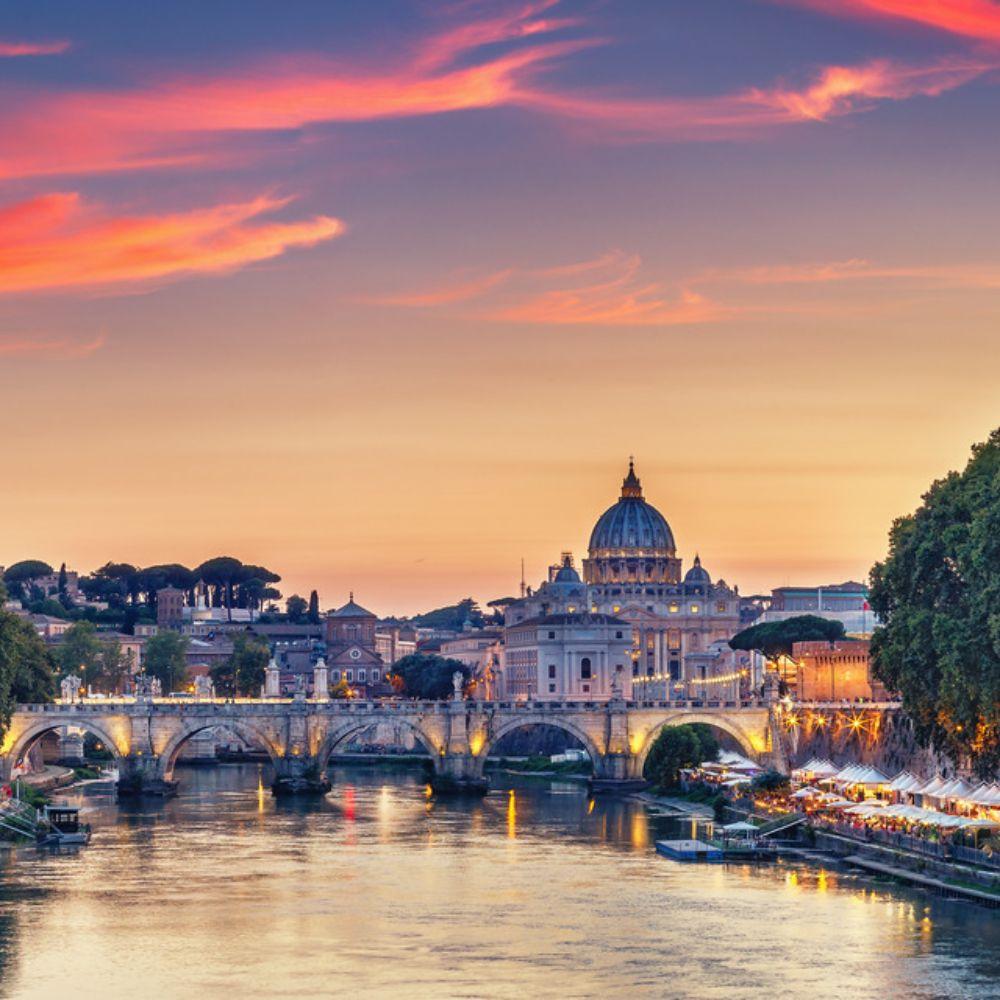
Think of the Rome you've seen in the movies: Audrey Hepburn exploring the city in Roman Holiday, the glamorous atmosphere of Fellini's La Dolce Vita, or the sunlit piazzas that have inspired generations of travelers.
But beyond these familiar scenes, Rome offers an extraordinary variety of photographic opportunities. Ancient ruins stand beside busy streets, Renaissance palaces overlook lively squares, and narrow cobblestone alleys reveal hidden courtyards, colorful façades, and charming neighborhood cafés.
The best photographs of Rome often come from seeing familiar places from an unfamiliar perspective.
A little preparation can make all the difference. Choosing the right equipment, understanding the light, and knowing where to explore will help you capture photographs that reflect your personal experience of the Eternal City.
Whether you're traveling with a smartphone or a dedicated camera, these Rome photography tips will help you discover the city's most beautiful subjects, from world-famous landmarks to the everyday details that make Rome unforgettable.
Cobblestone alleys reveal hidden courtyards, colorful façades, and charming neighborhood cafés.
The best photographs of Rome often come from seeing familiar places from an unfamiliar perspective.
A little preparation can make all the difference. Choosing the right equipment, understanding the light, and knowing where to explore will help you capture photographs that reflect your personal experience of the Eternal City.
Whether you're traveling with a smartphone or a dedicated camera, these Rome photography tips will help you discover the city's most beautiful subjects, from world-famous landmarks to the everyday details that make Rome unforgettable.
What should be in your Rome photography kit?
Rome is a wonderful city to explore on foot, with photographic opportunities waiting around almost every corner. Choosing practical equipment will help you move comfortably through its cobblestone streets while keeping your camera ready for unexpected moments.
Here are a few essentials to consider before your trip.
Camera or smartphone?
Modern smartphones can produce excellent travel photographs, especially in natural light. They're convenient for capturing architecture, street scenes, portraits, and spontaneous moments without carrying extra equipment.
A dedicated camera offers additional flexibility, particularly for low-light photography, distant architectural details, portraits, and compositions requiring greater creative control.
If you enjoy experimenting with photography, a camera with interchangeable lenses can be a rewarding choice. But if you're mainly interested in documenting your vacation, your smartphone may be more than enough.
Remember: Beautiful travel photography depends more on observation, light, and composition than expensive equipment.
Essential accessories for photographing Rome
A compact travel kit can make your sightseeing days considerably easier. Consider bringing:
-
Spare battery or power bank: Especially useful when taking photographs and navigating with your phone throughout the day.
-
Extra memory card: Helpful for longer trips or high-resolution images.
-
Comfortable camera strap: Makes carrying your equipment easier during extended walks.
-
Lightweight tripod: Useful for certain evening photographs, where permitted.
-
Microfiber cloth: Keeps lenses clean.
-
Weather protection: Essential for unexpected rain.
-
Versatile lens: Reduces the need to carry multiple lenses.
Rome's historic neighborhoods often feature uneven streets, stairs, and uphill walks. Prioritize lightweight equipment, comfortable shoes, and a secure camera bag.
Before visiting museums, churches, or archaeological sites, remember to check local photography restrictions, particularly regarding flash and tripods.
The one-lens approach: Travel light
If you're using a camera with interchangeable lenses, a versatile standard zoom or compact prime lens is often sufficient for exploring Rome.
A zoom lens allows you to switch between broad architectural views and smaller details, while a prime lens can be excellent for street photography and portraits.
Imagine wandering through Trastevere when you notice warm sunlight illuminating a colorful doorway or a waiter preparing tables outside a traditional trattoria. Having your camera ready allows you to capture these spontaneous moments.
In a city as visually rich as Rome, mobility and curiosity are your greatest advantages.
The best photography subjects in Rome
From monumental architecture to intimate neighborhood scenes, Rome offers remarkable variety for travel photographers. Within a short walk, you can move from an ancient archaeological site to an elegant Baroque square or a quiet street filled with local character.
The secret is to look beyond the obvious composition and explore the details that make each location unique.
Rome's iconic landmarks: Discover a different perspective
The Colosseum, Trevi Fountain, Pantheon, St. Peter's Basilica, Roman Forum, and Spanish Steps are among the most famous photo spots in Rome.
Naturally, you'll want to capture their classic views. After all, who wouldn't want a photograph in front of the Colosseum?
Once you've taken that first shot, experiment with different perspectives.
At the Colosseum, focus on its repeating arches, weathered stone, or the people walking beneath its monumental structure. Including a person in your composition helps communicate the extraordinary scale of the building.
At the Trevi Fountain, famous for its appearance in La Dolce Vita, explore the movement of the water, the marble sculptures, and the intricate architectural details.
The Pantheon offers magnificent opportunities to photograph symmetry, columns, and architectural geometry, while St. Peter's Basilica provides beautiful compositions featuring its enormous dome and sweeping colonnades.
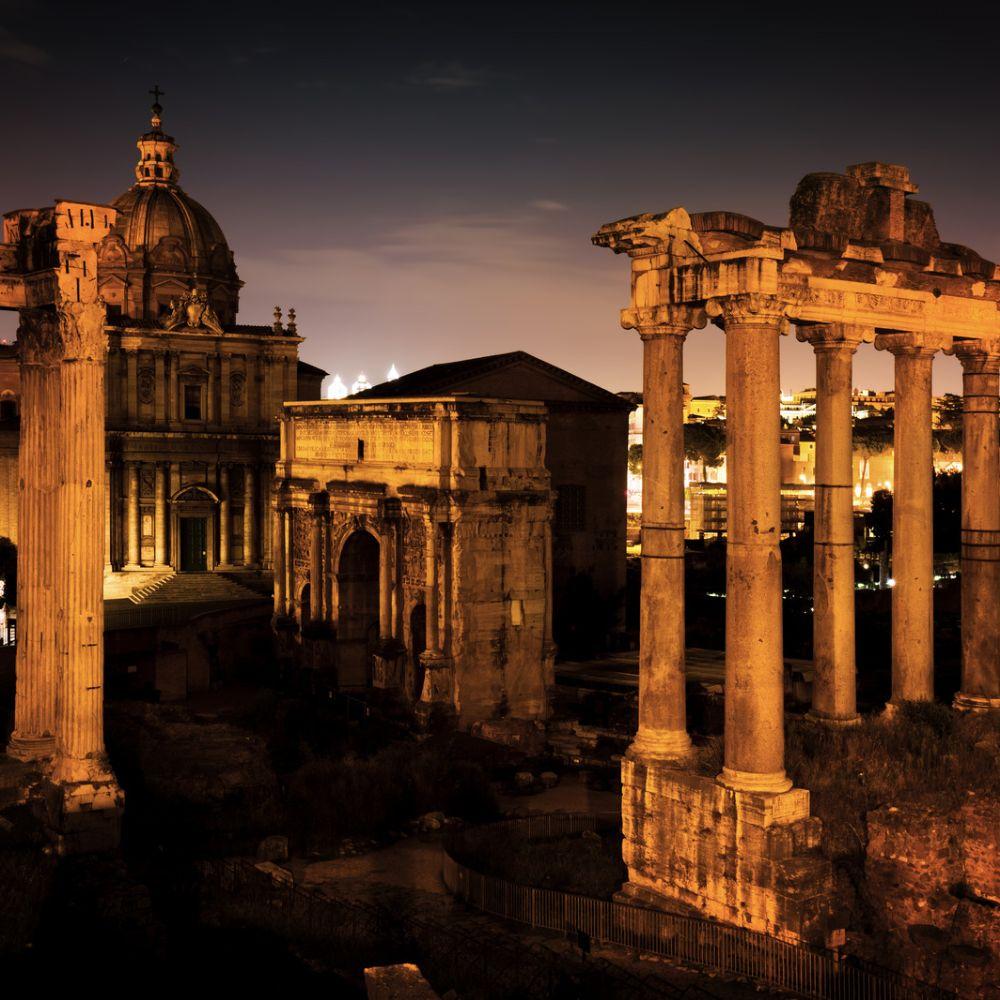
At the Roman Forum, experiment with overlapping columns and ancient ruins. The Spanish Steps, meanwhile, offer changing perspectives from different levels of the staircase.
Try framing landmarks through archways, using reflections, photographing architectural textures, or including interesting foreground elements.
Sometimes, moving just a few steps reveals a completely different image.
Ancient Rome beyond the classic postcard
Ancient Rome is particularly fascinating for photographers interested in texture, history, and dramatic compositions.
The ruins of the Roman Forum and Palatine Hill offer weathered columns, ancient arches, carved inscriptions, and vegetation growing between centuries-old stones.
Rather than photographing everything from a distance, focus on smaller details. The contrast between light and shadow across a broken column or the patterns of an ancient wall can create surprisingly powerful images.
Black-and-white photography works particularly well here, emphasizing textures and architectural forms.
Another interesting approach is to capture the relationship between ancient and contemporary Rome. Modern streets, bustling traffic, and everyday life continue around monuments that have stood for thousands of years.
Exploring these sites with someone familiar with their history can also help you discover details and viewpoints that might otherwise go unnoticed.
Baroque Rome: Fountains, sculptures, and architectural details
Rome's Baroque heritage offers endless inspiration for anyone interested in architecture and artistic details. Elaborate fountains, theatrical sculptures, ornate churches, and richly decorated façades are scattered throughout the historic center.
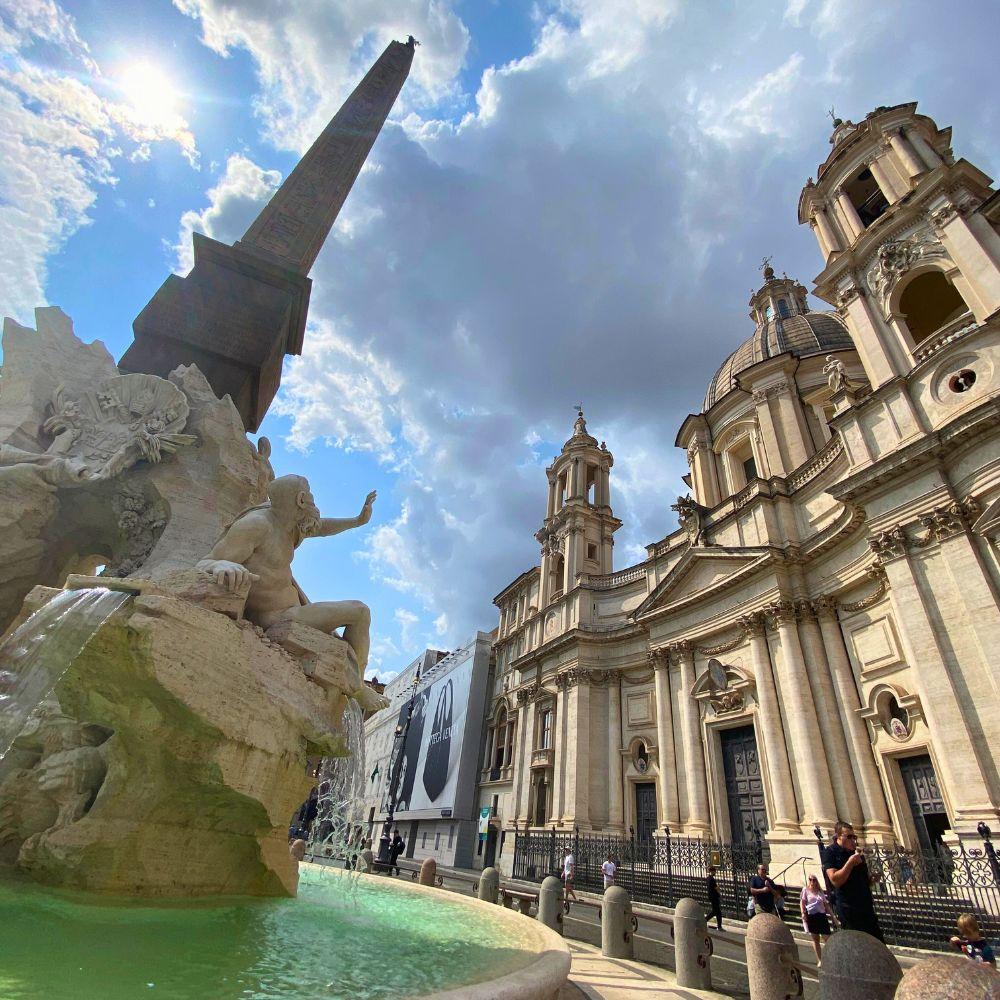
Piazza Navona is an excellent starting point.
Bernini's Fountain of the Four Rivers combines dramatic sculptures, flowing water, and architectural grandeur. Try concentrating on a single figure or capturing how the sunlight interacts with the marble.
Rome's churches also reward attentive photographers. Look for carved doors, decorated columns, elaborate ceilings, and small artistic details above eye level.
Learning about the Baroque period in Rome can make these discoveries even more meaningful, revealing the artistic ideas behind the city's most theatrical architecture.
Neighborhoods and everyday Rome: Capture local life
Some of the best photographs of Rome come from ordinary moments: a colorful market stall, a tiny café, laundry hanging between buildings, or a sunlit doorway along a quiet street.
Trastevere is particularly appealing for street photography. Its winding lanes, ivy-covered buildings, and lively piazzas create an atmosphere that feels wonderfully Roman.
Monti, close to the Colosseum, combines historic architecture with independent boutiques, cafés, and a contemporary neighborhood atmosphere. Its narrow streets are ideal for capturing everyday scenes.
The Jewish Ghetto offers another fascinating setting, where ancient remains, historic buildings, and traditional restaurants reflect centuries of cultural heritage.
You can also explore the quieter streets around Piazza Navona and Campo de' Fiori, where hidden courtyards and charming façades provide wonderful photographic subjects.
These neighborhoods aren't guaranteed secret locations, and many streets can be busy. Their beauty comes from observing the details and rhythms of daily life.
Take your time, enjoy a coffee, and photograph people respectfully, asking permission before taking close portraits.
When is the best time to take photos in Rome?
Light can transform even the most familiar view of Rome. Its warm-colored buildings, ancient stone monuments, and narrow streets look remarkably different depending on the hour.
Planning around the light and expected crowds is one of the simplest ways to improve your Rome photography.
Early morning: A quieter side of Rome
Early morning is one of the most rewarding times to photograph the city.
The light is generally softer, shadows are longer, and popular locations may be less crowded than during the middle of the day.
Piazza Navona, the streets surrounding the Pantheon, and the Spanish Steps can be particularly atmospheric as the city wakes up.
You'll also encounter wonderful everyday scenes: café owners arranging tables, locals stopping for their morning espresso, and sunlight slowly illuminating historic buildings.
Although no famous landmark is guaranteed to be empty, an early start often gives you more freedom to experiment with compositions.
Golden hour: Rome in its warmest light
Golden hour occurs shortly after sunrise and before sunset, when sunlight becomes warmer and softer.
In Rome, this light beautifully complements the city's ochre façades, ancient ruins, fountains, and elegant piazzas.
It's particularly flattering for portraits and panoramic photographs, creating depth through long shadows and warm reflections.
For sweeping views, consider the Pincio Terrace overlooking Piazza del Popolo or the Janiculum Hill, where domes and rooftops stretch across the skyline.
Remember that sunset times change considerably throughout the year, so plan your photography schedule according to the season.
Blue hour and Rome at night
As the sun disappears, Rome takes on a wonderfully cinematic atmosphere.
During blue hour, the sky retains a deep blue tone while monuments, fountains, and streetlights begin to illuminate the city.
The Colosseum looks spectacular against the evening sky, while Piazza Navona and the bridges along the Tiber offer opportunities to capture illuminated architecture and reflections.
A steady camera or smartphone night mode can help you photograph these scenes in lower light.
For travelers who love the romantic atmosphere of the Eternal City after dark, our Rome by Night Tour offers the opportunity to explore its illuminated landmarks with a knowledgeable local guide.
And don't overlook smaller scenes, from glowing restaurant windows to the lively atmosphere of Romans gathering for an evening aperitivo.
Finding Rome's best photo spots
Online guides and social media are useful starting points for discovering the best places to take pictures in Rome. However, famous viewpoints can be crowded, lighting conditions change throughout the day, and interesting perspectives aren't always obvious from a map.
Travelers can also underestimate the time required to move between attractions, especially when stopping frequently for photographs.
This is where local insight becomes valuable.
Someone familiar with the city can suggest interesting viewpoints, quieter streets, or architectural details you might otherwise overlook. Knowing when to visit and how different neighborhoods connect can make your exploration more enjoyable.
Your most useful Rome photography accessory may not fit in your camera bag: local knowledge.
Understanding the city you're photographing often inspires you to notice compositions and stories that go beyond the familiar images found online.
How to improve your Rome photography with local knowledge
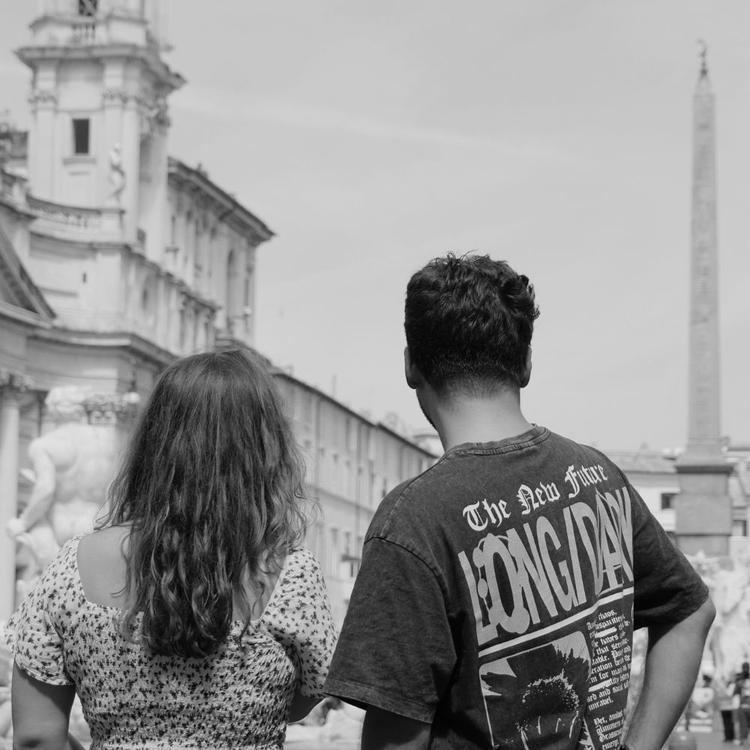
A knowledgeable local guide can enrich your photography experience by helping you explore Rome more thoughtfully. From discovering unusual viewpoints to understanding the stories behind famous landmarks, guided sightseeing provides valuable context for what you're capturing.
This can be particularly helpful for international travelers with only a few days to experience the Eternal City.
Find better perspectives around familiar landmarks
Rome's most interesting photographic opportunities aren't always found at the standard viewpoints.
An experienced local guide can draw your attention to architectural details, hidden passages, unusual angles, and quieter streets that may inspire different compositions.
Perhaps there's a beautiful view framed by an archway, a fascinating sculptural detail, or an unexpected contrast between ancient and modern architecture.
These discoveries encourage you to photograph Rome through your own eyes, rather than simply recreating familiar images.
Make better use of limited sightseeing time
Many American travelers spend only two or three days in Rome before continuing to Florence, Venice, or another Italian destination.
With so many attractions to see, planning an efficient itinerary becomes important.
A guided experience can connect major landmarks with interesting neighborhoods and less obvious stops, reducing the time spent navigating unfamiliar streets.
For travelers with particular interests, a customizable private itinerary can also provide greater flexibility to explore selected locations at a comfortable pace, subject to scheduled admissions and other practical considerations.
Understand the stories behind your photographs
A photograph becomes more meaningful when you understand the history behind its subject.
Knowing who built an ancient monument, why a church was decorated in a particular style, or what happened in a historic piazza can change the way you observe it.
Rome's architecture tells stories about emperors, artists, popes, and ordinary citizens who shaped the city over centuries.
For example, discovering Caravaggio's dramatic use of light and shadow might inspire your own photographic compositions. Understanding the symbolism behind a Baroque fountain could lead you to focus on details you would otherwise overlook.
A local guide can help you recognize these connections, adding cultural depth to your travel photographs.
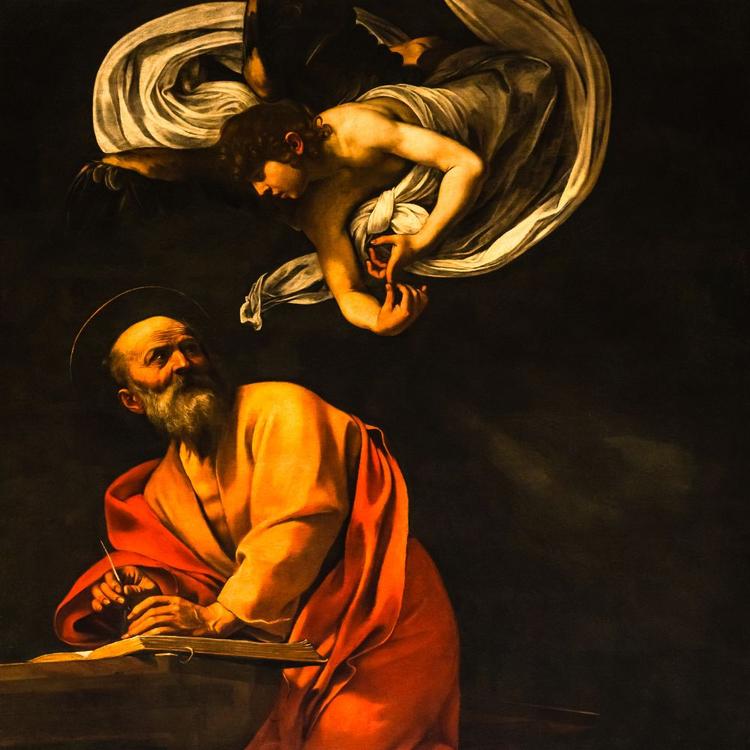
4:00 hours
Private
In the Footsteps of Caravaggio | Private
Follow in the footsteps of one of the world's most impressive painters, and be guided through the history of baroque art, and his own brief and tumultuous life.
Starting from € 612,00 for two
View moreChoose an experience that matches your interests
Every traveler has a different way of exploring Rome.
Architecture enthusiasts may prefer churches and Renaissance palaces, history lovers might focus on archaeological sites, while couples often enjoy romantic piazzas and panoramic views.
Families may appreciate a comfortable sightseeing pace, and returning visitors might wish to explore less familiar neighborhoods.
Walks Inside Rome offers customizable private tours designed around travelers' interests, as well as small-group experiences that provide a more personal atmosphere and opportunities to interact with the guide.
Choosing an experience that reflects your interests can help make your time in Rome especially rewarding.
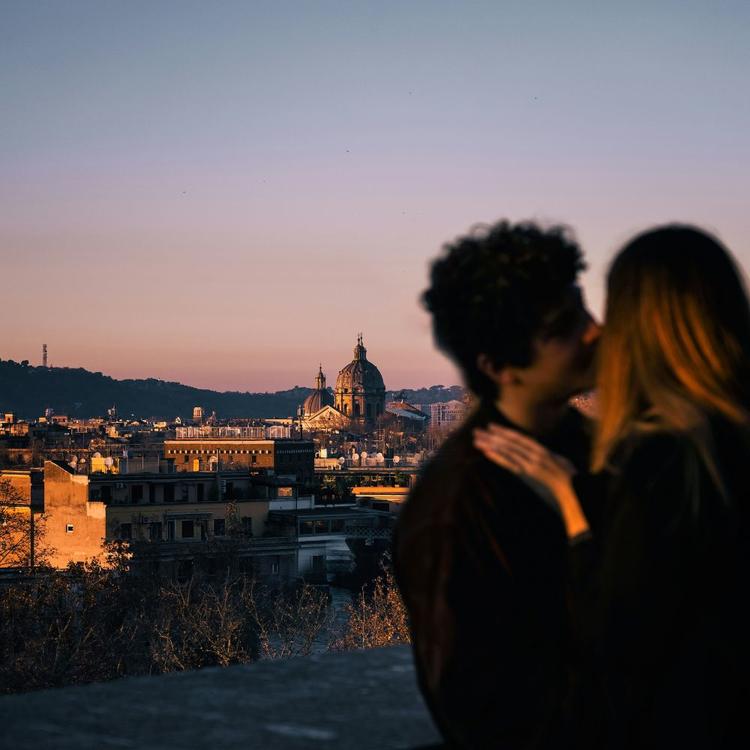
3:00 hours
Private
Rome by Night Tour | Private
Discover the romantic charm of the Eternal City, basking in the beauty of its monuments in the still serenity of the night.
Starting from € 470,00 for two
View moreSee the city through the lens and through local eyes
Rome has inspired artists, writers, filmmakers, and travelers for centuries. Its monumental architecture, colorful neighborhoods, and remarkable history continue to reveal new perspectives to those willing to explore.
At Walks Inside Rome, our expert local guides help visitors discover the cultural treasures and everyday character of the Eternal City. Several of our existing experiences are particularly appealing to travelers interested in visual storytelling, architecture, and atmospheric locations.
Here are a few experiences worth considering:
-
Secret Rome Tour: Discover fascinating corners of the capital, including the Aventine Hill and panoramic views from the Janiculum, with opportunities to admire Rome from less conventional perspectives.
-
Hidden Trastevere Walking Tour: Explore the artistic heritage, characteristic streets, and architectural treasures of one of Rome's most atmospheric neighborhoods.
-
Caravaggio Tour: Follow the extraordinary story of the Baroque master through the churches and streets connected to his life, discovering the art of light, shadow, and dramatic composition.
-
Rome by Night Tour: Experience the magic of Rome after sunset, exploring illuminated monuments, beautiful fountains, and romantic piazzas.
These are cultural sightseeing experiences rather than dedicated photography workshops, but they offer wonderful opportunities to explore the city with local experts while capturing photographs along the way.
For travelers with specific interests, customizable private experiences allow greater flexibility in choosing neighborhoods, historical themes, and sightseeing priorities.
Conclusion: Don't just photograph Rome. Learn how to see it.
The photographs you bring home from Rome will tell the story of your journey: the golden light falling across an ancient column, a lively neighborhood square, or the view of the city's rooftops at sunset.
The famous monuments will always deserve a place in your camera roll. But remember to leave room for unexpected discoveries, quieter moments, and the small details that make your experience personal.
With Walks Inside Rome, you can explore the city's history, art, and local character alongside expert guides who know its streets and stories.
Choose a customizable private experience tailored to your interests, or enjoy the intimate atmosphere of a small-group tour.
Don't just photograph Rome. Learn how to see it.
Explore our private and small-group guided tours of Rome and discover the stories waiting beyond the postcards.

Written by
Marilena Barberi
Marilena Barberi is the Co-Founder and CEO of Walks Inside Rome & Italy, a family-run tour company founded in 1999. Born and raised in Rome, she has spent more than 25 years helping travelers discover the Eternal City through authentic, engaging, and carefully curated experiences. Her deep knowledge of Rome, it history, culture, neighborhoods, and traditions shapes the philosophy behind Walks Inside Rome & Italy: offering visitors a more personal way to experience the city, guided by local expertise and a genuine passion for Italian hospitality.
Back to top


