Most travelers arrive in Rome expecting monuments, churches, and museums. What they often do not realize is that the city itself works like a living timeline of Western art.
Roman Art History Basics: Learning to "Read" Roman Art
Published on

Art appears inside neighborhood churches, across the ceilings of noble palaces, at the center of piazzas, and throughout museums filled with centuries of history. Ancient columns stand beside Renaissance façades, while Baroque sculptures seem ready to step out of the marble.
Learning a few Roman art history basics can completely change your experience of the city. Instead of simply recognizing a famous artist, you begin to understand why a work was created, how it communicates, and what details deserve your attention.
This guide will help you learn how to "read" Roman art, even if you have never studied art history before.
What Makes Roman Art Unique?
Rome contains several major artistic periods within the same city. Ancient Roman sculpture, early Christian mosaics, Renaissance frescoes, and Baroque architecture can all be found within a short walk.
Roman art is therefore not a single style. It is an ongoing conversation between emperors, popes, noble families, religious institutions, artists, and the public.
Art in Rome has always been connected to power, religion, politics, and identity. Ancient emperors used monuments to celebrate military victories. Christian artists used images to communicate faith. Renaissance patrons promoted harmony, knowledge, and human potential. Baroque artists relied on emotion, movement, and light to create an immediate response.
Once you recognize these intentions, Roman art becomes far easier to understand.

Ancient Roman Art: Power, Realism, and Storytelling
Ancient Roman art filled templates, public squares, villas, baths, tombs, and political monuments. Some works honored the gods or remembered the dead, while others promoted rulers and celebrated Rome's military strength.
Roman artists borrowed from Greek traditions, but they also developed a strong interest in recognizable portraits, historical events, political authority, and public storytelling.
Look at Faces and Body Language
Roman portraits can be surprisingly realistic. Wrinkles, heavy eyelids, and signs of age could suggest experience, discipline, or moral authority.
Other portraits were more idealized. A smooth face and youthful appearance might communicate divine favor, strength, or a carefully managed political image.
Body posture also matters. A raised arm, military clothing, or a seated position could identify authority. Emperors were often shown larger than the figures around them, since scale was used to communicate importance.
Notice Inscriptions and Materials
Inscriptions could identify a ruler, record a victory, or explain who financed a monument. Even without translating the Latin, you can look at the size and position of the lettering.
Large inscriptions placed high on public buildings were designed to be seen from a distance. The patron's name was often part of the message.
Materials also communicated wealth. Marble, bronze, gold, and imported stone reflected access to valuable resources. Ancient sculpture was also much more colorful than many visitors imagine, although more of the original paint has disappeared.
Follow the Story
Triumphal arches, columns, and relief sculptures often present events as a sequence. Figures march, fight, sacrifice, or celebrate across the stone surface.
Try reading these scenes like a visual story. Where does the action begin? Which person appears most often? Who is larger than everyone else? Which moment receives the most attention?
When looking at ancient Roman art, ask:
- Who commissioned it?
- What message is being communicated?
- Who was meant to see it?
These questions provide the foundation for understanding art throughout Rome.

Renaissance Rome: Balance, Harmony, and Ideal Beauty
During the Renaissance, Rome became a center of artistic innovation once again. Popes, cardinals, bankers, and noble families commissioned churches, chapels, palaces, sculptures, and fresco cycles.
Artists studied ancient architecture, anatomy, mathematics, proportion, and perspective. They created a visual language that combined classical ideals with Christian belief.
For a deeper introduction to this period, read or guide to Renaissance art in Rome.
Look for Geometry and Perspective
Renaissance compositions often use clear geometric structures. Triangles, circles, arches, and carefully measured architectural spaces create order and balance.
Linear perspective gives depth to a flat surface. Floors, columns, buildings, and landscape elements guide the viewer toward a central point.
Stand back before examining the details. Notice where the lines lead your eye. The main figure or action is often positioned exactly where those lines meet.
Observe the Human Figure
Renaissance artists paid close attention to anatomy, movement, and proportion. Religious figures became more physically convincing and emotionally expressive.
They turn through space, react to events, and communicate through their gestures. This made sacred scenes feel more human and easier for viewers to understand. They turn through space, react to events, and communicate through their gestures. This made sacred scenes feel more human and easier for viewers to understand.
Classical references are also common. Columns, arches, draped clothing, and poses inspired by ancient sculpture connected Renaissance Rome with its classical past.
Baroque Rome: Emotion, Movement, and Theatrical Impact
The Baroque period transformed Rome into a theatrical city. Churches, chapels, fountains, paintings, and sculptures become more dramatic and emotionally intense.
Artists used movement, strong contrasts, expressive gestures, and carefully controlled light to make viewers feel involved in the scene.
Much of the Rome visitors recognize today was shaped by artists such as Bernini, Borromini, Caravaggio, and Pietro da Cortona.
Search for Movement
Baroque figures rarely remain still. Bodies twist, fabric seems to move, and gestures extend beyond the center of the composition.
Follow the direction of the faces, arms, and hands. One figure may point toward another, leading your eye toward the most important detail.
When viewing sculpture, walk around the work whenever possible. Baroque sculpture was often designed to reveal itself from several angles.
Watch the Light
Light can identify a divine presence, expose emotion, or draw attention to a crucial moment.
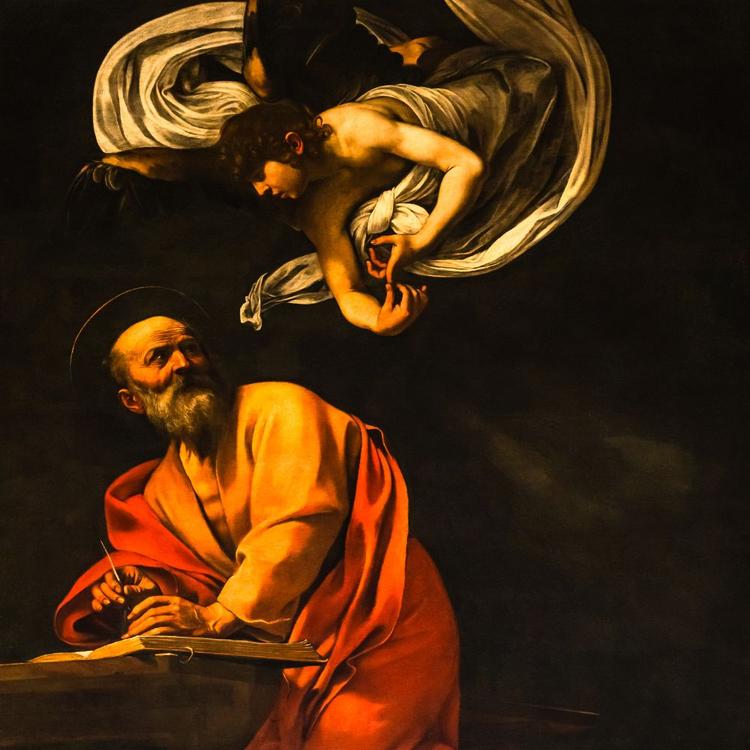
Caravaggio became famous for illuminating figures against deep shadows. This dramatic contrast pulls the action toward the viewer and creates the feeling that the event is taking place in the same room.
In Baroque churches, natural light can also become part of the artwork. Hidden windows were sometimes used to illuminate sculptures and altars with almost cinematic precision.

Look for the Most Dramatic Moment
Baroque artists often selected the instant when everything was about to change.
A saint experiences a vision. A biblical figure recognizes a divine calling. A hero prepares to act. The viewer enters the story at its most intense point.
Ask what happened immediately before the scene and what is likely to happen next. That tension is often the key to understanding the work.
How to "Read" Roman Art Like an Expert
Understanding art begins with looking longer. Museum labels provide useful information, but the artwork itself contains many of the most important clues.
The following five questions can be used in churches, museums, palaces, and archaeological sites throughout Rome.
The Five Questions to Ask When Viewing Roman Art
Take one question at a time. Even a few minutes of close observation can reveal details that disappear during a rushed visit.
1. Who Commissioned it?
Most art in Rome was paid for by a patron, such as an emperor, pope, cardinal, noble, family, or religious order.
Knowing who financed the work can explain its subject, size, location, and style. Look for family emblems, inscriptions, coats of arms, and repeated symbols.
2. Why Was It Created?
Was the work made for religious devotion, education, prestige, remembrance, private enjoyment, or political propaganda?
A church altarpiece communicates differently from a painting displayed in a private palace. A public fountain may serve the city while also celebrating the person who commissioned it.
3. What Symbols Are Present?
Colors, animals, flowers, objects, and gestures can carry specific meanings.
Keys may identify Saint Peter. A lily can represent purity. A skull may refer to death or the passing of time.
You do not need to recognize every symbol. Start by noticing objects that seem too deliberate to be simple decoration.
4. How Does the Artist Guide Your Eye?
Artists use light, color, lines, gestures, scale, and empty space to control the way viewers look at a scene.
Find the brightest area. Follow the direction of faces and hands. Notice whether one color appears several times or whether architectural lines point toward a central figure.
5. What Emotion Does It Create?
Before reading the label, notice your first response. Does the artwork feel calm, joyful, intimidating, intimate, or unsettling?
Then ask how the artist created that feeling. The answer may lie in the lighting, crowded composition, scale, facial expressions, or surrounding architecture.
Why Roman Masterpieces Deserve Expert Interpretation
Rome can quickly become overwhelming. Every church seems to contain another fresco, sculpture, or painting that would be a major attraction in almost any other city.
When every room contains a masterpiece, visitors naturally begin to move faster. A famous work receives a quick photograph before the group continues to the next highlight.
An expert guide changes the rhythm of the visit. Good interpretation helps you understand what deserves attention and connects details that might otherwise appear unrelated.
A guide can also explain the stories that museum labels often leave out, including artistic rivalries, difficult patrons, scandalous biographies, political ambitions, and rejected designs.
The Best Places in Rome to Learn How to Read Art
Some of Rome's museums allow visitors to compare painting and sculpture, while churches preserve artworks in the spaces for which they were originally created.
The following locations are especially rewarding for travelers who want to understand Roman art history more deeply.
Caravaggio: Drama, Symbolism, and Light
Caravaggio is an ideal introduction to Baroque painting. His figures emerge from darkness at moments of uncertainty, violence, faith, or recognition.
Several of his major paintings remain inside the churches of San Luigi dei Francesi, Sant'Agostino, and Santa Maria del Popolo.
During our In the Footsteps of Caravaggio Private Tour, an expert guide explains the artist's dramatic use of light, his radical realism, and the relationship between his personal life and religious paintings.
Once you understand where the light comes from and why it reaches a particular figure, the entire scene changes.
4:00 hours
Private
In the Footsteps of Caravaggio | Private
Follow in the footsteps of one of the world's most impressive painters, and be guided through the history of baroque art, and his own brief and tumultuous life.
Starting from € 612,00 for two
View moreVatican Museums: Symbolism on a Monumental Scale
The Vatican Museums contain ancient sculpture, medieval art, Renaissance frescoes, tapestries, maps, and papal collections.
This scale can make the experience difficult to navigate without a clear plan. Biblical themes, classical references, artistic rivalry, and papal patronage appear throughout the Raphael Rooms and Sistine Chapel.
Our Early Morning Vatican Tour is designed for a small group of 8 to 10 guests. Earlier entrance, better viewing conditions, and expert explanations help visitors experience the collection without feeling overwhelmed.
For further practical information, read our complete Vatican guide.

3:00 hours
Small Group
Early Morning Vatican & Sistine Chapel Tour with St.Peter's Basilica Access | Small Group
First Entrance experience: enjoy a complete tour of the Vatican. Visit the Sistine Chapel and the Vatican Museums, then take your time to experience the St. Peter's Basilica on your own.
Starting from € 175,00
View moreDoria Pamphilj: Art and Aristocratic Collecting
The Doria Pamphilj Gallery preserves paintings, sculptures, furnishings, and decorated rooms connected to one of Rome's great noble families.
On our Doria Pamphilj Gallery Private Tour, visitors can explore works by Caravaggio, Raphael, Titian, Brueghel, and Velázquez while learning how aristocratic families influenced artistic taste.

3:00 hours
Private
Doria Pamphilj Gallery Tour | Private
Discover the treasured collection of Doria Pamphilj: a stunning Renaissance palace in the beating heart of Rome’s historic center.
Starting from € 450,00 for two
View moreBorghese Gallery: Painting and Sculpture Together
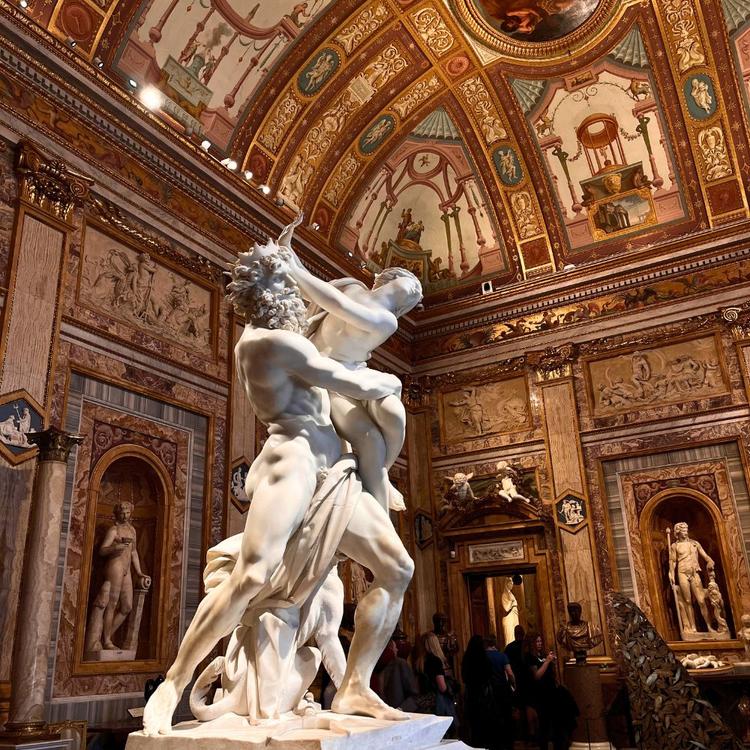
The Borghese Gallery is ideal for comparing artistic techniques. Bernini's sculptures create movement in marble, while Caravaggio uses light and shadow to create tension on a flat surface.
Our Borghese Gallery guided tour helps visitors compare movement, emotion, balance, and realism across painting and sculpture.
Timed admission makes careful planning important, and a private guide helps you use the limited visit well.
For more advice, read our guide to visiting the Borghese Gallery.
3:00 hours
Private
Borghese Gallery Guided Tour | Private
Transcend into a world of art in the must-see Borghese Gallery, home to the most enchanting sculptures and lifelike paintings in Rome.
Starting from € 480,00 for two
View moreVilla Farnesina: Renaissance Storytelling
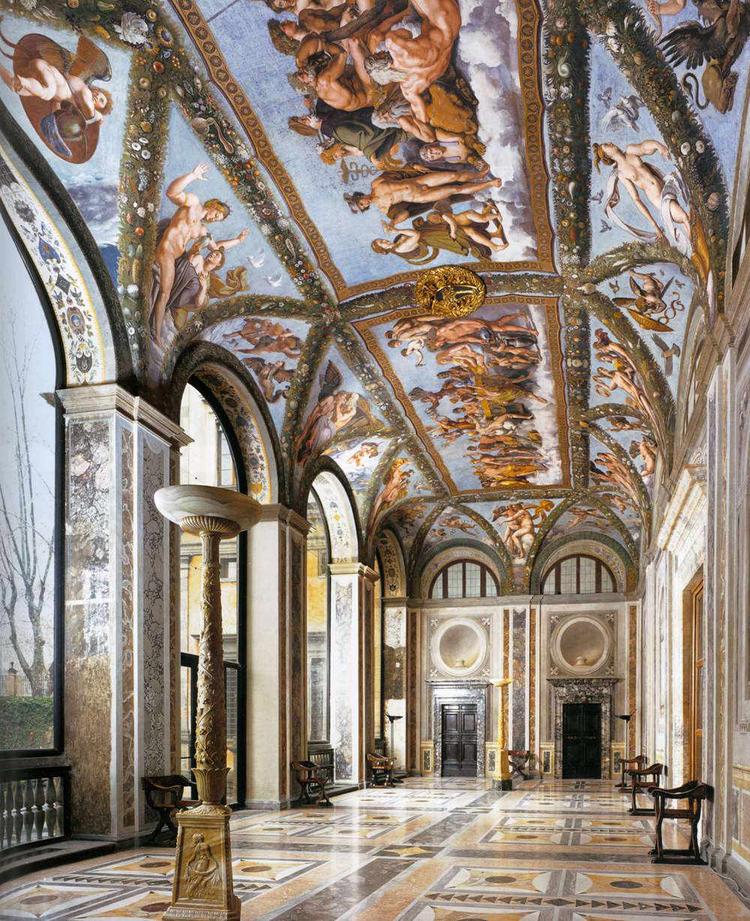
Villa Farnesina offers an intimate setting for exploring Renaissance frescoes, mythology, and patronage.
During our Hidden Trastevere and Villa Farnesina private tour, visitors can see how artists used architecture, gesture, and reated characters to tell stories across walls and ceilings.
3:00 hours
Private
Starting from € 530,00 for two
View moreColonna Palace: Aristocratic Baroque Rome
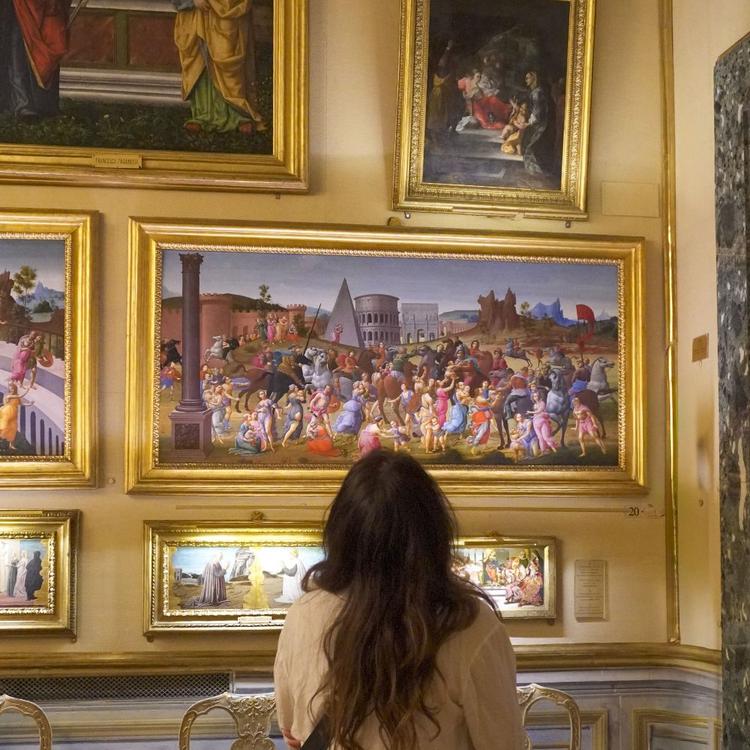
Colonna Palace combines paintings, sculptures, frescoes, mirrors, marble floor, and ceremonial rooms.
Our Colonna Gallery and Palace private tour reveals how noble families used art and architecture to express wealth, status, and political influence.
Its quieter setting also allows more time for observation and conversation.
3:00 hours
Private
Colonna Gallery & Palace Tour | Private
Discover the treasured collection of Palace Altemps: a stunning Renaissance palace in the beating heart of Rome’s historic center.
Starting from € 467,00 for two
View moreWhy Private and Small-Group Art Tours Work Better
Art needs time, space, and the opportunity to ask questions. These can be difficult to find inside crowded galleries or large tour groups.
Private and small-group tours offer a more flexible pace. Guides can respond to individual interests, adjust the level of detail, and spend longer with the works that capture your attention.
Smaller groups also make it easier to see paintings clearly, hear explanations, and move through busy museums.
Stories make art easier to remember. Visitors may forget an exact date, but they are more likely to remember an artistic rivalry, an ambitious patron, or the controversy surrounding a painting.
At Walks Inside Rome, our private and small-group art tours combine historical expertise with engaging storytelling, helping visitors understand what they see and why it matters.
Seeing Art Versus Understanding Art
Anyone can walk into a Roman church, photograph a famous painting, and continue toward the next piazza. Learning to read Roman art creates a more rewarding experience.
You begin to notice the coat of arms above an altar, follow the direction of the light, recognize the most dramatic moment in a story, and understand why one figure appears larger than everyone else.
Rome becomes a city filled with visual decisions, public messages, personal ambitions, and stories that have developed over centuries.
For travelers who want to explore Rome’s artistic treasures with greater understanding, expert-led private and small-group tours offer one of the most rewarding ways to experience the city.
Explore Walks Inside Rome's private and small-group art tours and discover how much more Rome reveals when you know how to look.

Written by
Salvatore Barberi
Salvatore Barberi is the Co-Founder of Walks Inside Rome & Italy, and a travel industry professional with more than 25 years of experience creating memorable journeys throughout Italy. His expertise spans private tours, tailor-made travel, cultural experiences, and Italian food and lifestyle. Over the years, he has developed a deep understanding of what makes a journey through Italy truly meaningful, combining local knowledge, attention to detail, and a strong focus on authentic experiences.
Back to top


